
LIFESTYLE

LIFESTYLE

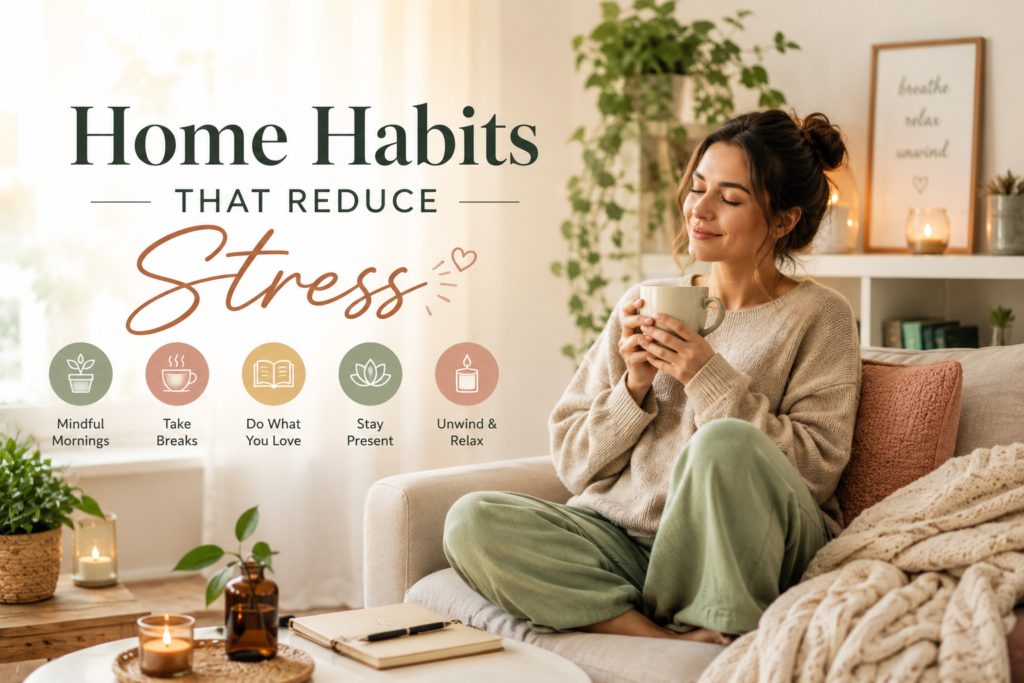
Home Habits That Reduce Stress

Life can be busy and stressful. Work, studies, family responsibilities, and daily challenges can make us feel tired and overwhelmed. While we cannot always control what happens outside, we can create a peaceful home that helps us relax and recharge. Our home should be a place where we feel safe, comfortable, and happy. Small daily habits at home can reduce stress, improve our mood, and make life more enjoyable. You don’t need expensive furniture or a large house to create a calm environment. Simple changes and healthy routines can make a big difference. In this blog, we will explore easy home habits that can reduce stress and help you enjoy a happier and healthier life. Why a Peaceful Home Matters Home is where we spend a large part of our time. The way our home looks and feels can affect our emotions. A clean, organized, and comfortable space helps us feel calm, while a messy and noisy environment can increase stress. A peaceful home offers many benefits: Improves mental health Helps you sleep better Increases productivity Reduces anxiety Strengthens family relationships Creates a positive atmosphere By developing healthy home habits, you can make your home a place where you truly enjoy spending time. Start Your Day with a Calm Morning Routine How you begin your morning often affects the rest of your day. Instead of rushing, wake up a little earlier and spend a few quiet minutes with yourself. Your morning routine can include: Drinking a glass of water Stretching your body Taking deep breaths Reading a few pages of a book Writing in a journal Enjoying a healthy breakfast A calm morning helps you feel more prepared and less stressed throughout the day. Keep Your Home Clean and Organized A messy home can make your mind feel cluttered. You don’t have to clean everything at once. Cleaning a little every day is much easier. Simple cleaning habits include: Making your bed every morning Washing dishes after meals Putting things back in their place Sweeping or vacuuming regularly Cleaning one room each day A clean home creates a peaceful environment and helps you think more clearly Declutter Your Living Space Too many unnecessary items can make your home feel crowded. Decluttering means removing things you no longer need or use. Start with one drawer, one shelf, or one room at a time. Benefits of decluttering include: Less stress Easier cleaning Better focus More space A calmer atmosphere Donate, recycle, or sell items that no longer serve a purpose. Bring Nature Inside Nature has a calming effect on the mind. Adding plants to your home can make it feel fresh and peaceful. Some easy indoor plants include: Snake Plant Spider Plant Peace Lily Aloe Vera Money Plant If you don’t have plants, simply open your windows for fresh air and natural sunlight. Create a Relaxing Corner Everyone needs a quiet place to relax. Choose a small area in your home where you can: Read books Meditate Listen to music Practice yoga Drink tea or coffee Simply sit and relax Add a comfortable chair, soft cushion, or warm blanket to make the space inviting. Limit Screen Time at Home Phones, televisions, and computers are useful, but too much screen time can increase stress and reduce sleep quality. Try these habits: Keep phones away during meals. Turn off screens one hour before bedtime. Spend time talking with family. Read a book instead of scrolling through social media. Reducing screen time gives your mind a chance to rest. Use Soft Lighting Bright lights can sometimes feel harsh, especially in the evening. Soft lighting creates a warm and relaxing atmosphere. You can use: Table lamps Warm LED lights Candles (used safely) Fairy lights Lighting plays an important role in creating a peaceful home. Play Relaxing Music Music has the power to change our mood. Listening to soft instrumental music, nature sounds, or gentle melodies can reduce stress and help you relax after a busy day. Play calming music while: Cooking Cleaning Reading Working Relaxing Music makes everyday activities more enjoyable. Practice Gratitude Every Day Gratitude helps us focus on the positive things in life. Every evening, write down three things you are thankful for. They can be simple, such as: A delicious meal Good health Time with family A beautiful sunset Completing your work Practicing gratitude regularly improves happiness and reduces stress. Spend Quality Time with Family One of the best ways to reduce stress is by spending time with loved ones. Simple family activities include: Eating dinner together Watching a movie Playing board games Going for a walk Cooking together These moments create happy memories and strengthen relationships. Keep a Healthy Sleep Routine Good sleep is essential for both physical and mental health. To improve your sleep: Sleep at the same time every night. Avoid caffeine late in the evening. Keep your bedroom quiet and comfortable. Turn off electronic devices before bed. Better sleep helps reduce stress and increases energy. Keep Pleasant Scents in Your Home Pleasant fragrances can create a calming environment. You can use: Lavender Lemon Vanilla Sandalwood Jasmine Fresh flowers, scented candles, or essential oil diffusers can make your home feel more relaxing. Stay Active at Home Exercise helps release stress and boosts your mood. You don’t need expensive equipment. Simple activities include: Stretching Yoga Dancing Walking around your home Home workouts Even 20 to 30 minutes of movement each day can make you feel better. Cook Healthy Meals Preparing healthy food at home is a great way to care for yourself and your family. Cooking can also be relaxing. Choose fresh fruits, vegetables, whole grains, and healthy proteins whenever possible. Eating nutritious meals helps improve both physical and mental well-being. Create a Daily Routine Having a daily routine makes life feel more organized and less stressful. Your routine can include: Morning exercise Work or study time Household chores Relaxation time Family time Bedtime A routine reduces uncertainty and helps you manage your day better. Learn to Say No Many

LIFESTYLE

AI Tools That Simplify Everyday Life

Artificial Intelligence (AI) is no longer just a futuristic idea. Today, it has become a part of our daily lives. Whether we are using a smartphone, shopping online, writing emails, or finding directions, AI is working behind the scenes to make things easier. Many people use AI every day without even realizing it. AI tools help us save time, improve productivity, stay organized, learn new skills, and even take better care of our health. The best part is that many AI tools are simple to use and are available for free or at a low cost. In this blog, we will explore how AI tools simplify everyday life, their benefits, and some of the most useful AI tools that anyone can start using. What Is Artificial Intelligence? Artificial Intelligence, or AI, is technology that allows computers and machines to perform tasks that usually require human intelligence. These tasks include understanding language, recognizing images, solving problems, making decisions, and learning from experience. For example, when your phone suggests the next word while typing a message or when a music app recommends songs based on your taste, AI is at work. AI is designed to make our lives easier by handling repetitive tasks and providing quick solutions. Why AI Is Becoming So Popular AI has become popular because it helps people complete work faster and more efficiently. Instead of spending hours on simple tasks, AI can complete them in minutes. Some reasons why people love AI include: It saves time. It improves productivity. It reduces mistakes. It helps people learn faster. It makes everyday tasks easier. It provides personalized suggestions. It is available anytime. As AI technology continues to improve, it is becoming more useful for students, professionals, business owners, parents, and senior citizens. AI for Writing and Content Creation Writing emails, reports, blogs, and social media posts can take a lot of time. AI writing tools help create content quickly while improving grammar and sentence structure. These tools can help with: Writing blog articles Creating social media captions Drafting emails Checking grammar Generating ideas Summarizing long documents Instead of staring at a blank page, you can use AI to get ideas and organize your thoughts. However, it is always important to review and personalize AI-generated content before publishing it. AI for Learning and Education Students and lifelong learners can benefit greatly from AI tools. AI can explain difficult topics in simple language, answer questions, create study notes, and even help prepare for exams. Some common uses include: Solving math problems Learning new languages Understanding science concepts Practicing writing skills Creating quizzes Summarizing textbooks AI acts like a personal tutor that is available whenever you need help. AI for Time Management Managing time is difficult for many people. AI tools can help organize daily schedules and remind users about important tasks. AI can help with: Creating to-do lists Setting reminders Scheduling meetings Managing calendars Planning daily routines These tools reduce stress and help people stay focused on important work. AI for Smart Shopping Shopping has become easier with AI. Online stores use AI to recommend products based on your interests and previous purchases. AI can also compare prices and help you find better deals. Benefits include: Personalized recommendations Faster product searches Better price comparisons Customer support through chatbots Easier online shopping experience This saves both time and money. AI in Healthcare AI is making healthcare smarter and more accessible. Although AI cannot replace doctors, it helps people monitor their health and supports medical professionals. Examples include: Fitness tracking Heart rate monitoring Sleep analysis Medication reminders Health chatbots Appointment scheduling Many smartwatches now use AI to monitor physical activity and encourage healthier lifestyles. AI for Personal Finance Managing money becomes easier with AI-powered financial tools. These tools can help users: Track expenses Create budgets Save money Detect unusual spending Send bill reminders Analyze financial habits AI provides useful insights that help people make smarter financial decisions. AI for Home Automation Smart homes are becoming more common thanks to AI. Voice assistants and smart devices allow users to control lights, fans, televisions, and security systems using simple voice commands. Examples include: Turning lights on and off Playing music Setting alarms Controlling smart appliances Checking weather updates Managing home security These features improve comfort and convenience. AI for Travel Planning Planning a trip requires time and research. AI simplifies the process by helping travelers find the best routes, hotels, and travel plans. AI can assist with: Booking flights Finding hotels Creating travel itineraries Translating languages Navigating unfamiliar places Suggesting tourist attractions Travel becomes more organized and enjoyable with AI assistance. AI for Entertainment AI has changed how people enjoy music, movies, books, and games. Streaming platforms use AI to recommend content based on what users watch or listen to. AI also helps create personalized playlists and suggests movies that match your interests. This makes entertainment more enjoyable because users spend less time searching and more time enjoying.  AI for Communication Communication has become faster and easier with AI. AI tools help people: Translate languages instantly Correct grammar Write professional emails Summarize meetings Generate speech from text Convert speech into written notes These features improve communication in both personal and professional life. AI for Creativity Many people think creativity belongs only to humans, but AI can support creative work. Artists, designers, photographers, and writers use AI to generate ideas and improve their projects. AI can help with: Creating images Designing presentations Editing photos Producing videos Generating music Brainstorming ideas AI speeds up the creative process while leaving the final creative decisions to people. AI for Everyday Household Tasks AI also helps with small daily activities that often go unnoticed. Examples include: Smart vacuum cleaners Grocery list suggestions Recipe recommendations Voice-controlled timers Weather forecasts Smart kitchen appliances These tools save time and make household management easier. Popular AI Tools People Use Here are some well-known AI tools that simplify everyday life: ChatGPT – Helps with writing, learning, brainstorming, and answering questions. Grammarly – Improves grammar, spelling,

LIFESTYLE

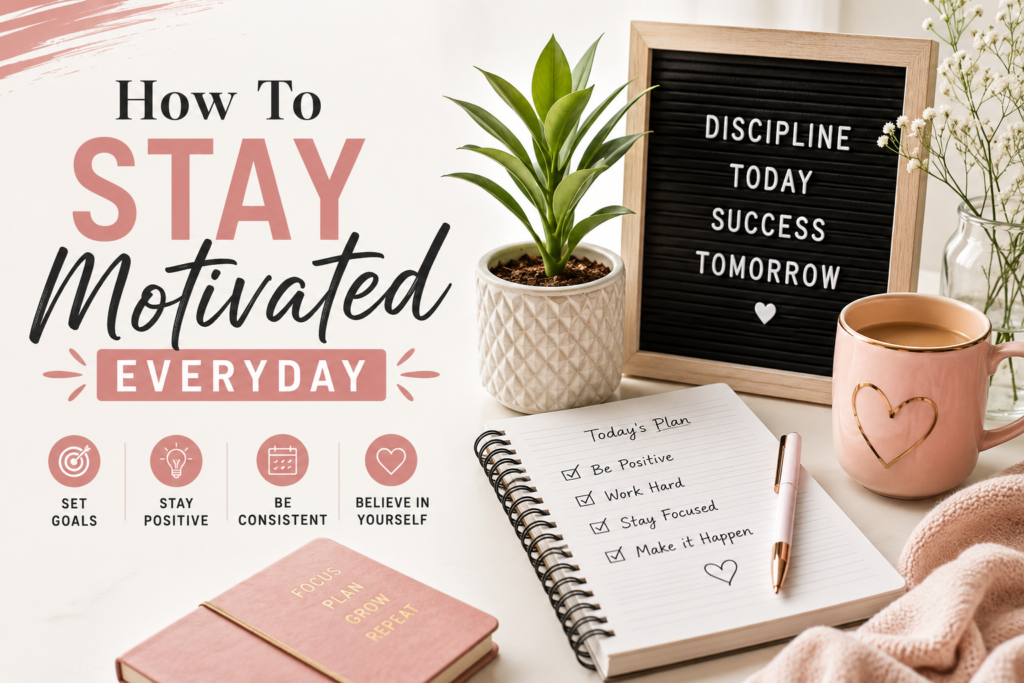
How To Stay Motivated Everyday

Staying motivated every day is not always easy. Some days you feel full of energy, and other days even small tasks feel heavy. The good news is that motivation is not something that only lucky people have. It is a habit you can build slowly with simple daily actions. Many people think motivation means feeling excited all the time. That is not true. Real motivation is doing the right things even when you do not feel like it. It is about learning how to keep going, one small step at a time. If you want to stay motivated every day, you need a clear goal, a positive mind, and a routine that supports you. Why Motivation Matters Motivation gives us a reason to work hard. It helps us wake up with purpose and move forward in life. When you are motivated, you finish tasks faster, feel more confident, and enjoy your progress more. Without motivation, it becomes easy to delay work, feel lazy, or give up too soon. Motivation is important for students, workers, business owners, and even homemakers. Everyone needs it in different ways. A student needs motivation to study regularly. A working person needs it to stay focused on work. A person trying to exercise or learn a new skill also needs motivation to stay consistent. Start With a Clear Goal One of the best ways to stay motivated is to know what you want. If your goal is unclear, your mind will feel confused. But if your goal is simple and clear, it becomes easier to move toward it. For example, instead of saying, “I want to do better in life,” say, “I want to study one hour every day,” or “I want to walk for 20 minutes daily.” Small and clear goals are easier to follow. When your goal is specific, you can make a simple plan and take action without overthinking. A clear goal also gives your day meaning. When you know why you are working, it becomes easier to keep going. Break Big Goals Into Small Steps Big goals can feel scary. Sometimes people lose motivation because the goal looks too large. That is why breaking a big goal into small steps is so helpful. If you want to lose weight, do not think only about the final result. Start with small actions like drinking more water, walking daily, and eating healthy food. If you want to learn English, begin with five new words a day. If you want to start a business, first focus on research, planning, and small daily tasks. Small steps make the journey easier. They also give you a feeling of success. Every small win builds confidence and keeps motivation alive. Build a Daily Routine A good routine can make motivation stronger. When you do things at the same time every day, your mind gets used to them. This reduces confusion and helps you save energy. Try to make a simple morning routine. Wake up at a fixed time, wash your face, stretch a little, and spend a few minutes planning your day. This can make you feel fresh and ready. A good evening routine is also useful. You can review your day, prepare for tomorrow, and sleep on time. Routine is powerful because it removes too many decisions from your day. You do not need to ask yourself again and again what to do next. You already know your plan. Keep Your Environment Positive The people and things around you affect your motivation. If your surroundings are messy, noisy, or negative, it becomes harder to stay focused. But if your environment is calm and supportive, you feel better and work better. Try to stay close to people who encourage you. Talk to friends or family members who believe in your goals. Avoid people who always complain, laugh at your dreams, or make you feel small. Positive support can give you strength on hard days. Your physical space also matters. Keep your study table, work desk, or room neat. Place reminders of your goals where you can see them. A clean and inspiring space can keep your mind active and ready. Use Positive Self-Talk The way you talk to yourself has a big effect on motivation. If you keep saying, “I cannot do this,” your mind starts believing it. But if you say, “I can try,” “I will do my best,” or “I can take one small step,” you build courage. Positive self-talk does not mean ignoring problems. It means speaking to yourself in a kind and helpful way. Everyone faces failure sometimes. What matters is how you respond to it. Instead of calling yourself lazy or useless, remind yourself that progress takes time. A simple positive sentence every morning can make a difference. You can say, “Today I will do my best,” or “I am stronger than my excuses.” Celebrate Small Wins Many people wait for a big success before feeling proud. That is a mistake. Small wins deserve celebration too. When you complete a task, finish a chapter, or follow your routine for a week, take a moment to appreciate yourself. Celebrating small wins keeps your mind happy. It reminds you that you are moving forward. You do not need a big party or expensive reward. A short break, a favorite snack, or a few minutes of rest can be enough. When you celebrate progress, you train your brain to enjoy effort. That makes it easier to stay motivated for a longer time. Take Care of Your Body Your body and mind are connected. If you do not sleep well, eat properly, or move enough, your motivation can drop. Many people blame themselves for being lazy when they are actually tired or unhealthy. Try to sleep on time and get enough rest. Drink water regularly. Eat simple healthy food. Move your body every day, even if it is just a short walk. Exercise can improve your mood and make you feel more active. Taking care of your

LIFESTYLE

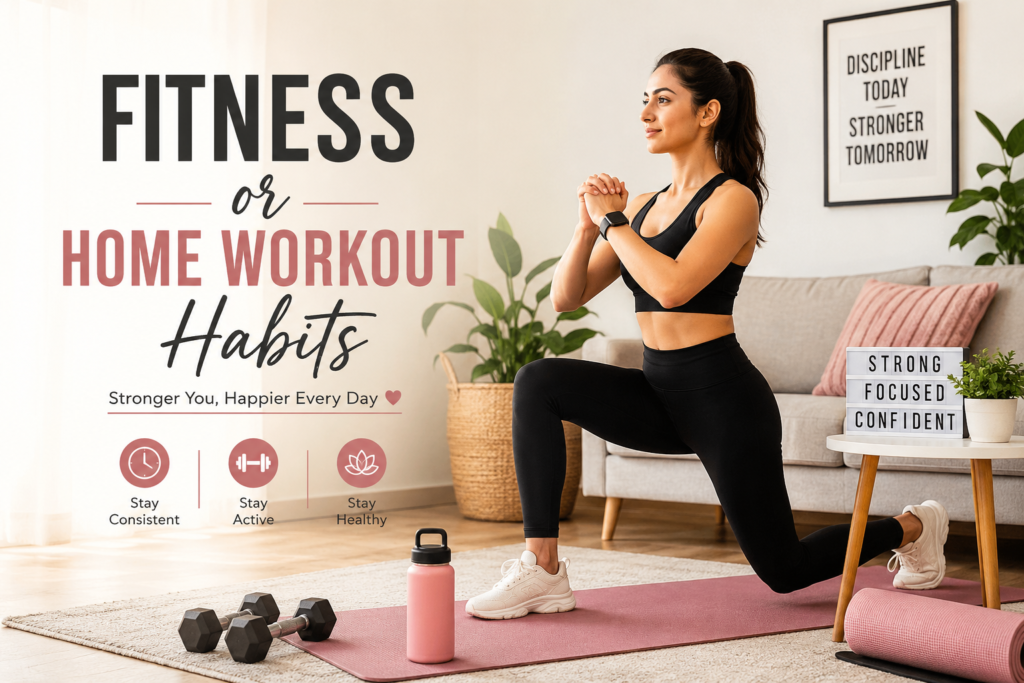
Fitness or home workout habits.

Fitness is an important part of a healthy life. You do not need a gym membership or expensive equipment to stay active. Home workout habits can help you build strength, improve energy, and feel better every day. The best part is that you can do it at your own pace, in your own space, and at a time that suits you. Many people think fitness means long workouts or strict routines. But that is not true. Even small habits done regularly can bring good results. A short walk, a few stretches, or a simple workout at home can make a real difference. The key is to stay consistent and keep things simple. Why Home Workouts Are Useful Home workouts are useful because they save time. You do not need to travel anywhere, wait for equipment, or follow a crowded class schedule. You can start when you want and stop when you need to. This makes exercise easier to fit into busy days. They are also good for people who feel shy about exercising in public. At home, you can move freely without worrying about anyone watching you. You can learn at your own speed and choose exercises that feel comfortable. This makes fitness more personal and less stressful. Start With Small Goals If you are trying to build a fitness habit, start with small goals. Do not say you will exercise for two hours every day if that feels impossible. Begin with 10 to 15 minutes a day. A small goal is easier to follow and helps you stay motivated. When you complete a small workout, you feel good about yourself. That feeling encourages you to continue. Over time, you can slowly increase the time and intensity. The goal is not to do everything at once. The goal is to build a habit that lasts. Create a Simple Routine A routine makes fitness easier. When you decide to work out at the same time every day or every few days, it becomes part of your life. You do not have to keep thinking about whether you should exercise. It becomes a normal habit, like brushing your teeth or eating breakfast. You can choose morning, afternoon, or evening depending on your schedule. Some people like to exercise early because it gives them energy for the day. Others prefer evening workouts because they help them relax after work. There is no perfect time. The best time is the one you can follow regularly. Warm Up Before Exercise Before you begin any workout, warm up your body. A warm-up helps prepare your muscles and reduces the chance of injury. It also makes the workout feel easier and safer. You do not need anything complicated. Simple warm-up exercises include arm circles, light jogging in place, shoulder rolls, or gentle stretching. Just five minutes is enough. Warming up is a small step, but it is very important. It helps your body get ready for movement. Choose Easy Exercises First When starting home workouts, choose simple exercises. You do not need to begin with advanced moves. Basic exercises like squats, push-ups, lunges, jumping jacks, planks, and stretching are enough for many people. These movements can help build strength and improve fitness. If a full workout feels too hard, break it into smaller parts. For example, you can do a few squats in the morning, some stretching in the afternoon, and a short walk in the evening. Fitness does not always need to happen all at once. Small movement throughout the day also counts. Be Consistent, Not Perfect One of the most important fitness habits is consistency. It is better to do a short workout regularly than to do a very hard workout once in a while. Regular exercise creates better results over time. It also becomes easier to maintain. Do not worry if you miss a day. Missing one workout does not mean you have failed. Just continue the next day. The habit becomes strong when you keep returning to it. Being consistent is more valuable than being perfect. Use What You Have at Home You do not need fancy gym equipment to work out at home. Your own body weight is often enough. You can also use simple items like water bottles, a chair, or a towel to help with exercises. This makes home workouts easy and affordable. If you want, you can later add small equipment like resistance bands, dumbbells, or a yoga mat. But these are not necessary at the beginning. The most important thing is to move your body. You can build a strong fitness habit without spending much money. Stay Hydrated and Eat Well Fitness is not only about exercise. What you eat and drink also matters. Try to drink enough water during the day, especially before and after workouts. Water helps your body stay active and recover better. Eating balanced meals is also important. Include fruits, vegetables, grains, protein, and healthy fats in your diet. You do not need a strict diet to be fit. Just try to make healthy choices most of the time. Good food supports your workout habits and gives you more energy. Listen to Your Body Your body knows when it needs rest. If you feel pain, extreme tiredness, or dizziness, stop and take a break. Exercise should challenge you, but it should not harm you. It is important to know the difference between normal effort and a warning sign. Rest days are also part of fitness. Your muscles need time to recover. Taking a break does not mean you are lazy. It means you are caring for your body. A healthy workout habit includes both movement and rest. Make It Enjoyable You are more likely to stick with exercise if you enjoy it. Try different kinds of movement until you find what feels good. You may like yoga, dancing, stretching, walking, strength training, or simple bodyweight workouts. Fitness does not have to feel boring. You can play music, exercise with a friend online, or

LIFESTYLE

Weekend Getaway Ideas.

A weekend getaway is a short trip that helps you take a break from your regular routine. It does not need to be long, expensive, or complicated. Even two or three days away from home can make you feel refreshed, happy, and ready for a new week. Sometimes, a small change of place is all you need to feel better. Many people think travel must be a big holiday to be enjoyable, but that is not true. A weekend trip can be simple and still feel special. You can visit a nearby city, a quiet hill station, a beach town, a village, or even a place close to nature. The goal is not to travel far. The goal is to rest, explore, and enjoy your time. Why Weekend Getaways Are So Nice Weekend getaways are popular because they are easy to plan. You do not need many days off from work or study. You also do not have to spend too much money if you choose a nearby place. This makes short trips a great option for people who want a break without too much stress. A short trip can also improve your mood. When you leave your usual space, even for a little while, your mind gets a chance to relax. You may come back home feeling lighter and more positive. Weekend getaways are also a good way to spend time with family, friends, or even yourself. Choose a Place That Feels Easy When planning a weekend getaway, it is best to choose a place that is not too far away. A long journey can take away too much of your short trip time. Pick a destination that you can reach comfortably by car, train, or bus. The best weekend places are usually simple to travel to and easy to enjoy. You may choose a peaceful town, a famous local spot, or a place with nature, food, and small attractions. The main idea is to keep the trip relaxing, not tiring. A short and easy journey makes the whole experience better. Go to a Nearby Hill Station One of the most loved weekend getaway ideas is a hill station. Hill stations are calm, cool, and full of beautiful views. They are perfect if you want fresh air and a peaceful atmosphere. The weather is usually pleasant, and the surroundings feel different from everyday city life. You can spend your time walking, drinking tea, enjoying the view, and taking photos. Hill stations are also nice for people who want quiet time. Even sitting on a balcony and watching the mountains can feel very soothing. If you want a restful trip, this is a lovely choice. Visit a Peaceful Village A village trip can be a wonderful weekend getaway if you want to slow down. Village life is often quiet, simple, and close to nature. You can see open fields, trees, fresh air, and a slower pace of living. It is a nice change from busy roads and crowded spaces. A village stay can help you feel calm and grounded. You may enjoy home-style food, local culture, and quiet mornings. This kind of trip is perfect for people who want rest more than excitement. It is simple, beautiful, and peaceful. Spend Time at a Beach Town If you love water and open spaces, a beach town can be a great weekend idea. Beaches are relaxing because you can hear the waves, feel the wind, and enjoy the view. You do not have to do much to enjoy a beach trip. Just walking near the shore can make you feel refreshed. You can sit by the water, eat local snacks, or watch the sunset. A beach getaway is especially nice if you want to unwind and think clearly. It gives you a calm and happy feeling that lasts even after you return home. Explore a Nearby City A weekend getaway does not always need to be about nature. A nearby city can also be fun. You can explore local markets, museums, cafés, parks, temples, or historic places. Cities are good for people who enjoy food, culture, and short sightseeing trips. You do not need to pack your whole schedule. Just choose a few places to visit and enjoy the rest of the time slowly. A city getaway works well when you want a mix of fun and comfort. You can walk around, try new food, and take in the local atmosphere. Try a Wellness Retreat If your goal is to rest your mind and body, a wellness retreat is a great idea. This kind of getaway may include yoga, meditation, healthy food, and quiet time. It is perfect for people who feel tired or stressed and want to reset. You do not need to be an expert in yoga or meditation to enjoy it. The whole point is to slow down and take care of yourself. A wellness trip can help you feel peaceful from the inside out. Even one weekend like this can make a big difference. Plan a Road Trip A short road trip can be one of the most fun weekend getaway ideas. You can travel with friends, family, or your partner and enjoy the journey as much as the destination. Road trips feel exciting because you can stop for tea, snacks, photos, and small breaks along the way. The best thing about a road trip is freedom. You can leave when you want, stop where you like, and enjoy the ride at your own pace. Just make sure the route is safe and the vehicle is ready. A road trip is simple, flexible, and full of small memories. Stay at a Farm Stay or Resort If you want comfort without too much planning, a farm stay or resort is a good option. These places often offer a quiet environment, open spaces, and relaxing rooms. You can spend your weekend eating, resting, swimming, reading, or simply doing nothing. Farm stays are also nice if you enjoy nature and

LIFESTYLE

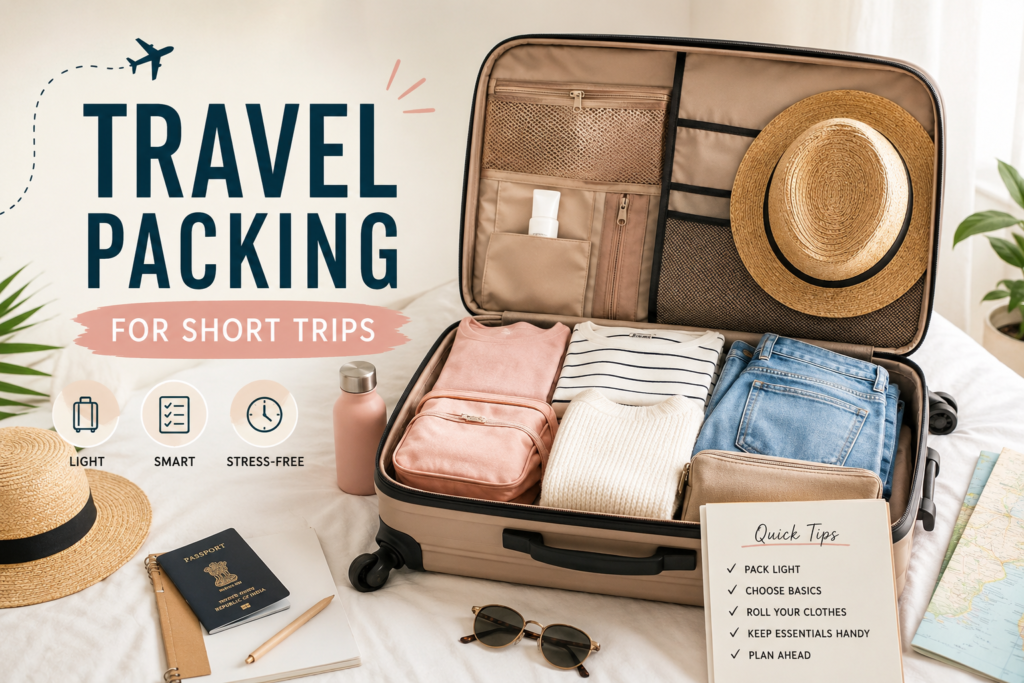
Travel packing tips for short trips.

Short trips are exciting, but packing for them can be tricky. You want to carry enough things to stay comfortable, but you also do not want to take a huge bag filled with extra items you will never use. The best way to pack for a short trip is to keep it simple, smart, and light. Many people overpack because they worry they might need something later. In reality, most short trips only need a few well-chosen clothes, basic toiletries, and a couple of useful extras. When you pack well, travel becomes easier, faster, and less stressful. You also save space, avoid heavy bags, and feel more organized. Start With a Simple Plan Before you put anything in your bag, think about your trip. How many days will you stay? What kind of weather will it be? Will you go sightseeing, attend a function, or relax at a hotel? These questions help you understand what you really need. It is always better to make a list first. A list keeps you from forgetting important things and helps you avoid packing random items. When you know your plan, packing becomes much easier. You do not have to guess. Choose the Right Bag For a short trip, you usually do not need a very large suitcase. A small suitcase, carry-on bag, or backpack is often enough. The right bag depends on your travel style and how much you want to carry. If you are going for one or two nights, a backpack or small travel bag may work well. For three to four days, a carry-on suitcase is often a good choice. A smaller bag naturally helps you pack less. That is a good thing because short trips should feel light and easy. Pack Outfits in Advance One of the smartest travel packing tips is to plan your outfits before you pack. Do not throw random clothes into your bag. Think about what you will wear each day. If you know your plans, you can choose outfits that match the activities. For example, if you are going for a casual trip, pack simple clothes that can be mixed and matched. If one day includes a nice dinner, pack one slightly dressier outfit. Planning outfits in advance saves space and prevents overpacking. It also helps you avoid carrying clothes you never wear. Use Mix-and-Match Clothes When packing for short trips, choose clothes that go well together. Neutral colors and simple styles are very useful because they can be worn in different ways. A few tops can work with one or two bottoms, which means you can create several outfits from fewer items. This is one of the easiest ways to pack light. You do not need a different outfit for every moment of the trip. A smart wardrobe makes travel easier and gives you more room in your bag. Less is often better. Roll Your Clothes Instead of folding all your clothes the regular way, try rolling them. Rolling clothes can save space and reduce wrinkles. It also makes your bag look more organized. You can see your items more clearly when everything is rolled neatly. This method works especially well for t-shirts, jeans, leggings, and casual wear. If you want to be even more organized, you can place your clothes in packing cubes. Packing cubes keep things separated and make it easier to find what you need. They are very helpful for short trips. Carry Just What You Need You do not need to carry your full bathroom shelf with you. For a short trip, pack only the basics. Take travel-size toothpaste, face wash, shampoo, sunscreen, deodorant, and any daily products you use regularly. It is a good idea to put these items in a separate pouch or toiletry bag. That way, they are easy to find and do not leak all over your clothes. If your hotel provides some toiletries, you may not need to bring everything from home. Keep only what you truly use. Do Not Forget Important Items Some things are small but very important. These include your ID, tickets, phone charger, power bank, wallet, keys, and medicine if you need any. People often forget these because they focus too much on clothes. A good travel checklist can save you from last-minute stress. Before you leave, check that your documents and electronic items are packed. These are often the most useful items during a short trip. Without them, the trip can become inconvenient very quickly. Carry One Extra Layer Even if the weather looks warm, it is smart to pack one extra layer like a light jacket, cardigan, or shawl. Weather can change, and some places get cooler at night. A light layer does not take much space but can be very useful. This is especially helpful if you are traveling by bus, train, or plane, where the temperature may feel cold. One extra layer can keep you comfortable without making your bag heavy. It is a small item that adds a lot of comfort. Wear Bulky Items While Traveling If you have shoes, jackets, or sweaters that take up a lot of space, wear them while traveling instead of packing them. This saves room in your bag and makes packing easier. It is one of the simplest tricks for short trips. For example, if you are taking boots or a heavy jacket, wear them during your journey if possible. Then pack lighter items in your luggage. This small habit can make a big difference when your bag is full. Keep Shoes Limited Shoes can take up a lot of space, so do not pack too many pairs. For a short trip, one comfortable pair and one extra pair is usually enough. Choose shoes based on your activities. If you will walk a lot, comfort matters most. Try to wear the bulkiest shoes while traveling. Pack your shoes in separate covers or bags so they do not touch your clothes. If you limit your shoes, your bag will

LIFESTYLE

Best Things to Do on a Lazy Sunday

A lazy Sunday is the perfect time to slow down, rest your mind, and enjoy simple things. You do not need a packed plan or a busy schedule to make the day feel special. In fact, the best lazy Sundays are often the ones that feel peaceful, easy, and unhurried. Sunday is a good day to recharge before a new week begins. You can sleep a little more, eat your favorite food, spend time with yourself, or do small tasks that make you feel calm. The goal is not to be productive all day. The goal is to feel refreshed and happy. Lorem ipsum dolor sit amet, consectetur adipiscing elit. Ut elit tellus, luctus nec ullamcorper mattis, pulvinar dapibus leo. Why Lazy Sundays Matter Many people feel tired after a busy week. School, work, house duties, and daily stress can leave the mind and body drained. A lazy Sunday gives you a break from all that pressure. It helps you slow down and enjoy a softer pace of life. This kind of day can also help improve your mood. When you rest well, you often feel more focused and ready for Monday. Even simple things like a good breakfast, a short walk, or quiet time with a book can make a big difference. Lazy Sundays are not wasted time. They are recovery time. Sleep In a Little One of the best things to do on a lazy Sunday is to sleep in. After waking up early for several days in a row, a slower morning can feel amazing. You do not need to jump out of bed as soon as you open your eyes. Let yourself wake up naturally if you can. You can stay in bed for a few extra minutes and enjoy the silence. Stretch your body, listen to soft music, or simply close your eyes again for a while. Sometimes the best start to a Sunday is doing absolutely nothing for a few moments. Make a Slow Breakfast A lazy Sunday morning feels better with a nice breakfast. You do not need to cook anything fancy. Even simple food can feel special if you eat it slowly and with care. Tea, coffee, toast, eggs, fruit, or pancakes can turn into a comforting little meal. If you enjoy cooking, try making a breakfast you do not usually have on busy days. Sit near a window, enjoy your food, and avoid rushing. A calm breakfast can set the tone for the whole day. It is a small habit, but it makes Sunday feel peaceful. Watch Something You Love Sunday is a great day to watch a movie, web series, or old favorite show. You can pick something light and comforting instead of something stressful. Many people enjoy rewatching familiar movies because it feels easy and relaxing. You can also turn it into a mini movie marathon. Get a blanket, make some snacks, and settle in for a few hours. This is one of the easiest ways to enjoy a lazy day at home. Sometimes, doing nothing except watching something enjoyable is exactly what you need. Read a Book or Magazine If you want a quiet activity, reading is a wonderful choice. A book can take you into another world without making you feel busy or stressed. You can read a novel, a self-help book, a magazine, or even blog posts you enjoy. You do not need to finish a whole book in one day. Reading a few pages is enough. The point is to slow down and give your mind something gentle to focus on. A lazy Sunday and a good book are a perfect match. Clean Just One Small Area A lazy Sunday does not have to be completely unproductive. If you want to do something useful without ruining the relaxed mood, clean one small part of your home. You could tidy your desk, organize your bag, fold clothes, or clear a corner of your room. Small cleaning tasks can make you feel better without becoming exhausting. When your space looks neat, your mind often feels lighter too. The key is to keep it simple. Do one small thing, then stop and relax again. Take Care of Yourself Sunday is a lovely time for self-care. You can do face care, hair care, nail care, or simply take a long bath. These little acts may seem basic, but they help you feel fresh and cared for. You can also use Sunday to rest emotionally. Sit quietly, journal your thoughts, or listen to music that makes you feel calm. Self-care does not always mean expensive products or long routines. Sometimes it just means giving yourself time and attention. Go for a Slow Walk If you feel like leaving the house, take a gentle walk. You do not need to go far or walk fast. A short walk around your neighborhood, park, or street can help you feel relaxed and clear your mind. Walking is a simple way to enjoy fresh air and see the world at a slower pace. You might notice trees, birds, sunlight, or people passing by. These small moments can feel very calming. A lazy Sunday walk is not about exercise only. It is also about peace. Spend Time With Family A lazy Sunday is also a good day to spend quiet time with family. You can sit together, talk, drink tea, share a meal, or just enjoy each other’s company. You do not need to plan a big outing to make the day meaningful. Even simple moments matter. Watching TV together, helping in the kitchen, or sitting on the balcony can bring comfort. Family time on a slow day often feels warm and easy. It is one of those things that makes Sunday feel complete. Call a Friend If you have not spoken to a friend all week, Sunday is a good day to check in. You can call, send a voice note, or text them something casual. It does not have to be a

Scroll to Top