
In today’s world, smartphones, laptops, tablets, and social media have become a part of our daily lives. We use them for work, study, shopping, entertainment, and staying connected with friends and family. While technology makes life easier, spending too much time on screens can affect our physical and mental health.
Many people spend several hours every day scrolling through social media, watching videos, or checking messages without even realizing how much time has passed. This habit can lead to stress, poor sleep, less productivity, and fewer real-life conversations.
A digital detox means taking a break from unnecessary screen time. It does not mean giving up technology forever. Instead, it means using technology wisely and creating a healthier balance between online and offline life.
This 7-Day Digital Detox Challenge is simple and practical. You do not need to make huge changes overnight. Small daily steps can help you build better habits and improve your overall well-being.

Why Do You Need a Digital Detox?
Technology is useful, but too much of anything can become unhealthy. Many people wake up and immediately check their phones. Throughout the day, they keep checking notifications, emails, and social media updates. Before going to bed, they spend even more time looking at screens.
This constant screen use can make people feel tired, distracted, and anxious. It can also reduce the time spent with family, hobbies, exercise, and relaxation.
A digital detox helps you slow down and focus on what truly matters. It gives your mind a chance to rest and helps you enjoy real-life experiences.
Benefits of a Digital Detox
Technology is useful, but too much of anything can become unhealthy. Many people wake up and immediately check their phones. Throughout the day, they keep checking notifications, emails, and social media updates. Before going to bed, they spend even more time looking at screens.
This constant screen use can make people feel tired, distracted, and anxious. It can also reduce the time spent with family, hobbies, exercise, and relaxation.
A digital detox helps you slow down and focus on what truly matters. It gives your mind a chance to rest and helps you enjoy real-life experiences.

Day 1: Check Your Screen Time
The first step is to understand how much time you actually spend on your devices.
Most smartphones have a screen time feature that shows how many hours you use your phone each day. Check your report and notice which apps take up most of your time.
Don’t judge yourself. This is simply a starting point.
Set a small goal to reduce your screen time by at least 30 minutes today. Replace that time with something enjoyable, such as reading, walking, or talking with your family.
Small changes can make a big difference over time.
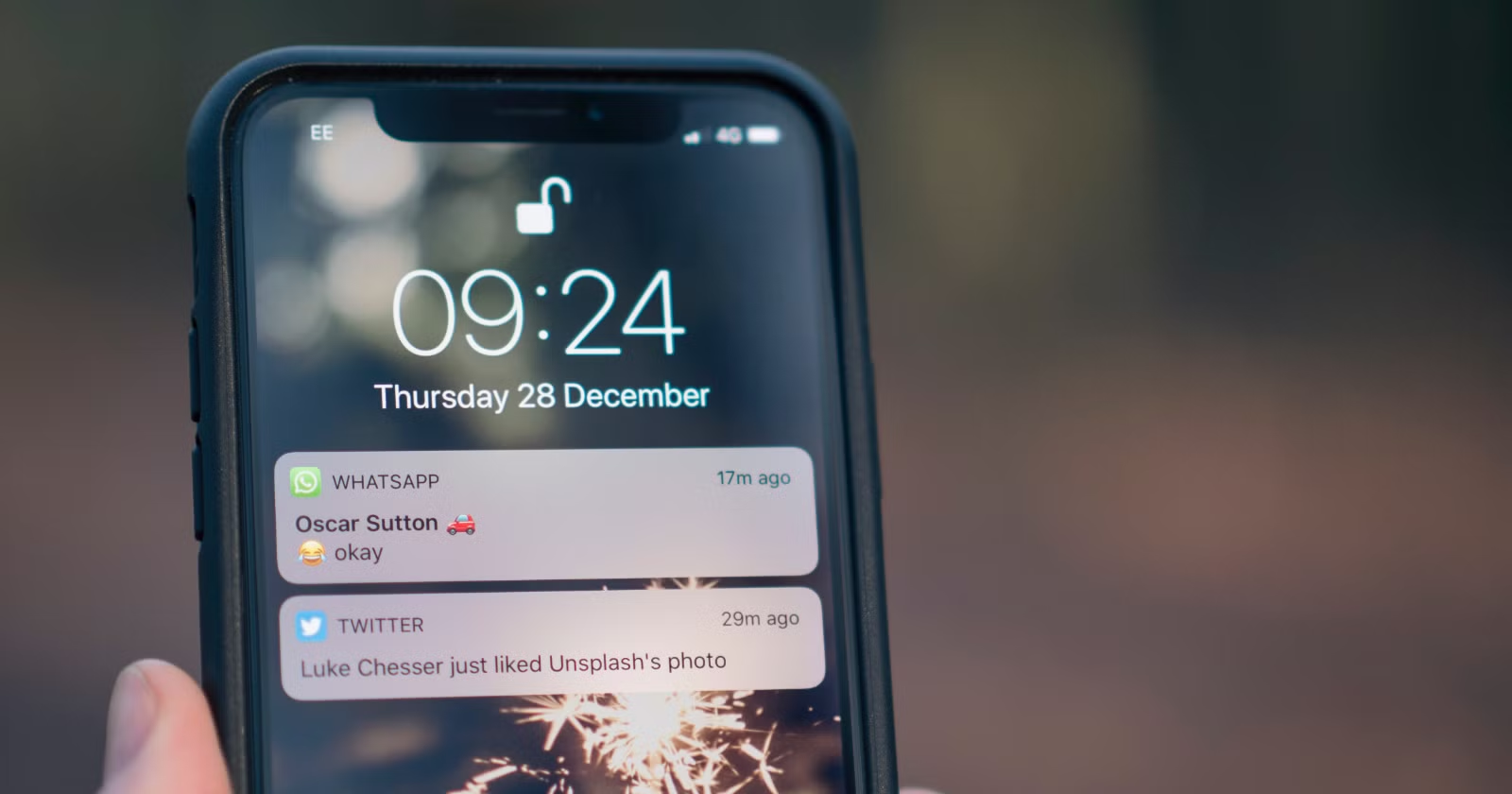
Day 2: Turn Off Unnecessary Notifications
Notifications constantly interrupt our focus.
Every beep, vibration, or popup encourages us to pick up our phones, even when it is not important.
Today, go through your phone settings and turn off notifications for apps that are not necessary. Keep only the important ones like calls, messages from family, or work-related alerts.
You will notice that your phone becomes much quieter, and you will feel less pressure to check it every few minutes.
Day 3: Eat Without Screens
Many people watch videos or scroll through social media while eating. This habit prevents us from enjoying our meals and spending time with family.
Today, make every meal a screen-free experience.
Keep your phone away from the dining table. Pay attention to your food, enjoy the taste, and have conversations with the people around you.
Eating without screens also helps improve mindful eating and digestion.
Day 4: Spend Time Outdoors
Instead of spending your free time online, go outside for a while.
Take a walk in a nearby park, water your plants, ride a bicycle, or simply sit outside and enjoy nature.
Fresh air and sunlight can improve your mood and reduce stress. Even 30 minutes outdoors can help refresh your mind.
If possible, leave your phone in your pocket and enjoy the moment without checking social media.

Day 5: Find an Offline Hobby
Technology often replaces activities that once brought us joy.
Today, spend some time doing something that does not require a screen.
You can read a book, draw, paint, cook a new recipe, write in a journal, play a board game, listen to music, or learn a new skill.
Offline hobbies help reduce stress and allow your creativity to grow.
You may even discover a new passion that makes you happier than endless scrolling.
Day 6: Create a No-Phone Evening
Evenings are the perfect time to relax and reconnect with yourself.
Choose one or two hours before bedtime when you will not use your phone, tablet, or laptop unless absolutely necessary.
Instead, spend time reading, talking with family, stretching, meditating, or planning the next day.
Reducing screen time before sleep helps your brain relax, making it easier to fall asleep and wake up feeling refreshed.

Day 7: Enjoy a Digital-Free Morning
Most people begin their day by checking notifications, emails, or social media.
Today, try something different.
For the first hour after waking up, avoid using your phone.
Instead, drink water, exercise, meditate, enjoy breakfast, write in a journal, or simply spend a few quiet moments planning your day.
Starting the day calmly instead of immediately looking at a screen can improve your mood and increase productivity throughout the day.
How to Continue After the Challenge
Completing the challenge is only the beginning. The goal is not to avoid technology forever but to build healthier habits.
Continue limiting unnecessary screen time whenever possible. Create phone-free zones in your home, such as the dining table or bedroom. Spend more time with family and friends, and choose real conversations over endless scrolling.
You can also schedule regular digital detox days once every week or month. Even a few hours away from screens can refresh your mind.
Remember that technology should support your life, not control it.

Simple Tips to Reduce Screen Time Every Day
You don’t need to completely stop using your phone. A few simple habits can help you stay balanced.
- Keep your phone away while working or studying.
- Avoid using your phone before bedtime.
- Spend more time reading books or exercising.
- Meet friends and family in person whenever possible.
- Set daily limits for social media apps.
- Keep your bedroom free from unnecessary gadgets.
Following these small habits consistently can make a big difference.
Common Challenges During a Digital Detox
At first, reducing screen time may feel difficult.
You may feel bored or have the habit of checking your phone without thinking. This is completely normal because many people have become used to constant digital activity.
The important thing is not to give up.
Whenever you feel like picking up your phone for no reason, choose another activity instead. Take a short walk, drink water, stretch your body, or read a few pages of a book.
With time, these healthier habits become easier.
Conclusion
Technology has made life easier in many ways, but using it without limits can affect our health, happiness, and relationships. A digital detox is not about avoiding technology forever. It is about learning how to use it wisely.
This 7-Day Digital Detox Challenge shows that even small changes can improve your daily life. By reducing unnecessary screen time, spending more time with family, enjoying hobbies, and focusing on the present moment, you can feel happier, calmer, and more productive.
Remember, your phone is a useful tool, but your real life is even more valuable. Start your digital detox today, take one small step at a time, and enjoy the positive changes that come with a healthier and more balanced lifestyle.