
In today’s digital world, screens have become a part of almost everything we do. We use smartphones to stay connected, laptops for work, tablets for entertainment, and televisions to relax. While technology has made life easier, spending too much time in front of screens has also created new problems. Many people check their phones every few minutes without even realizing it. They scroll through social media, watch endless videos, reply to messages, and switch from one app to another throughout the day.
This constant connection can make us feel busy, distracted, and mentally tired. It often leaves us with less time for family, hobbies, exercise, or simply enjoying the present moment. This is where digital minimalism becomes important.
Digital minimalism is a simple lifestyle that encourages people to use technology with purpose instead of allowing technology to control their lives. It does not mean giving up smartphones or deleting every social media account. Instead, it means choosing what truly adds value to your life and reducing unnecessary screen time.
In this blog, we will understand what digital minimalism is, why it matters, and how reducing screen time can improve your health, relationships, productivity, and overall happiness.
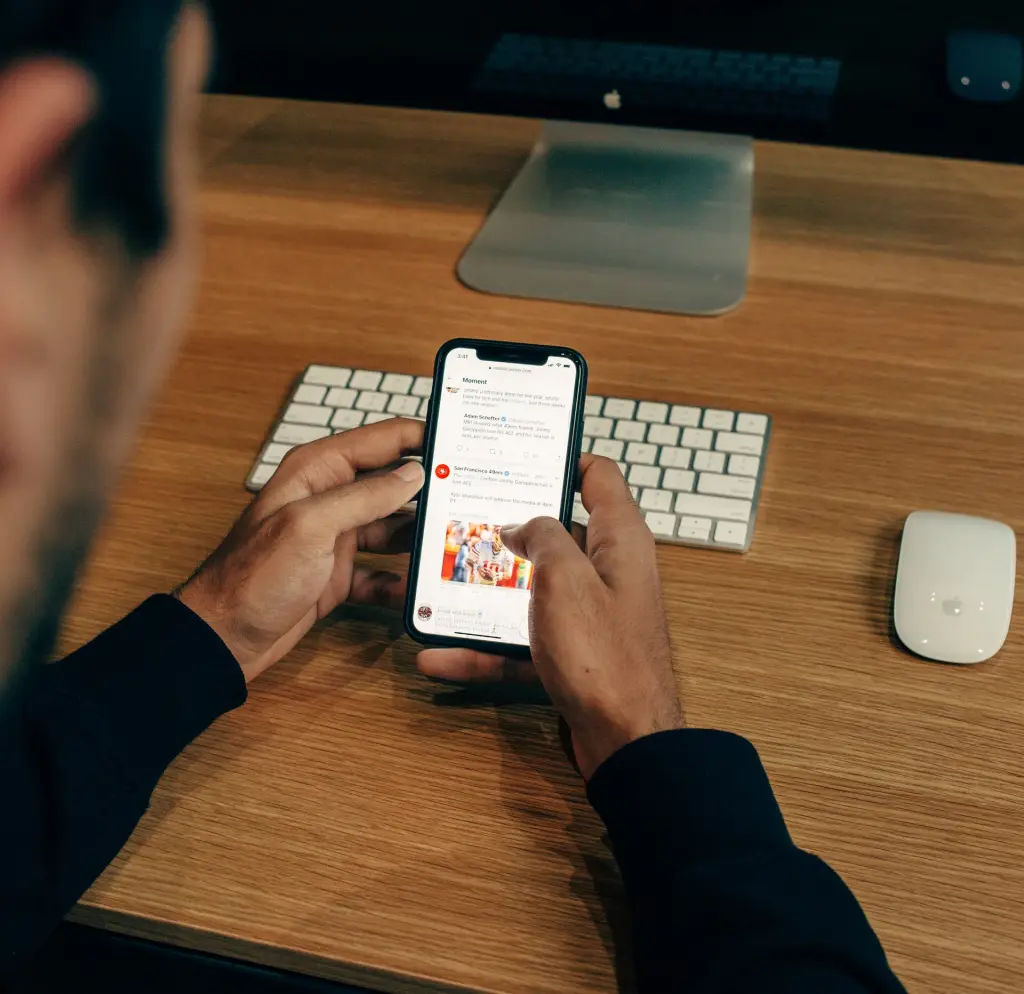
What Is Digital Minimalism?
Digital minimalism is the practice of using digital devices only when they serve a meaningful purpose. Instead of spending hours scrolling through social media or checking notifications, digital minimalists use technology intentionally.
Think of your phone as a useful tool rather than a source of constant entertainment. If an app helps you learn, work, communicate, or manage your daily life, it deserves a place on your device. If it wastes your time without adding value, you can reduce or remove it.
The main goal is not to avoid technology but to create a healthier relationship with it. Technology should support your life instead of taking it over.
Why Are We Spending So Much Time on Screens?
Modern apps are designed to keep people engaged. Notifications, likes, comments, short videos, and endless scrolling encourage us to stay online longer than we planned.
Many people pick up their phones for just a minute, but that one minute easily turns into thirty or even sixty minutes. Over time, this habit becomes automatic.
People also use screens when they feel bored, stressed, lonely, or tired. Instead of dealing with these emotions, they distract themselves with digital content.
As screen time increases, real-life experiences often become less important.

The Hidden Effects of Too Much Screen Time
Spending several hours every day on screens may seem normal, but it can affect many areas of life.
One common problem is reduced focus. Constant notifications interrupt our attention, making it difficult to complete important tasks. Even after putting the phone away, our mind may continue thinking about messages or social media updates.
Too much screen time can also affect sleep. Looking at bright screens before bedtime may make it harder to fall asleep. Poor sleep often leads to tiredness, mood changes, and lower energy during the day.
Many people also experience eye strain, headaches, neck pain, and back pain because they spend long hours looking at screens without taking breaks.
Emotionally, comparing ourselves with others on social media can lower confidence and increase stress. People often post only the best moments of their lives, creating unrealistic expectations.

Benefits of Digital Minimalism
One of the biggest benefits of digital minimalism is better mental clarity. When you reduce distractions, your mind feels calmer and more focused. You can think more clearly and complete tasks without constantly checking your phone.
Another advantage is improved productivity. Instead of losing hours on unnecessary scrolling, you can spend that time learning new skills, reading books, exercising, or working on personal goals.
Better sleep is another important benefit. Limiting screen use before bedtime helps your brain relax naturally, making it easier to fall asleep.
Digital minimalism also improves relationships. When you spend less time looking at your phone, you become more present with family and friends. Simple conversations become more meaningful because you are giving people your full attention.
Many people also notice reduced stress after cutting down on screen time. Without endless notifications and online comparisons, life feels quieter and more balanced.
Quality Is Better Than Quantity
Using technology wisely is more important than avoiding it completely.
For example, spending thirty minutes attending an online course or reading educational articles is far more valuable than spending three hours watching random videos.
Digital minimalism encourages people to ask simple questions before using technology.
Is this helping me?
Am I learning something useful?
Will I remember this tomorrow?
If the answer is no, it may not be worth your time.

Practical Ways to Reduce Screen Time
Reducing screen time does not require major changes overnight. Small habits often create lasting results.
Start by tracking how much time you spend on your phone each day. Many smartphones include built-in screen time reports that show which apps you use the most.
After identifying your biggest distractions, try setting daily limits for entertainment apps.
You can also turn off unnecessary notifications. Every notification interrupts your attention, even if you do not open it immediately.
Keeping your phone away during meals allows you to enjoy conversations and eat more mindfully.
Another helpful habit is creating phone-free zones inside your home. For example, you can decide not to use your phone in the bedroom or at the dining table.
These simple changes help reduce screen dependence naturally.
Replace Screen Time with Meaningful Activities
Reducing screen time becomes much easier when you replace it with enjoyable offline activities.
Reading books is a wonderful way to relax while improving your knowledge and vocabulary.
Going for a walk helps both physical and mental health. Fresh air and movement can improve your mood more than spending another hour online.
Many people also enjoy gardening, cooking, painting, writing, photography, or playing musical instruments.
Spending time with family and friends without checking your phone creates stronger relationships and lasting memories.
Even sitting quietly for a few minutes without any screen allows your mind to relax.

Digital Minimalism at Work
Technology is necessary for many jobs, but unnecessary digital distractions can reduce productivity.
Checking emails every few minutes makes it difficult to focus on important work.
Instead, choose specific times to reply to emails and messages.
Close tabs that you are not using and avoid keeping social media open while working.
Working without constant interruptions often helps you finish tasks faster and with better quality.
Helping Children Build Healthy Digital Habits
Children today grow up surrounded by digital devices. While technology can support learning, excessive screen time may affect their physical activity, creativity, and social development.
Parents can encourage healthier habits by creating balanced routines.
Outdoor games, drawing, storytelling, puzzles, and family activities provide enjoyable alternatives to screens.
Children also learn by watching adults. If parents spend less time on phones, children are more likely to follow the same habit.
Creating screen-free family time every day can make a big difference.

Social Media and Digital Minimalism
Social media itself is not the problem. The problem begins when it consumes too much of our attention.
Instead of following hundreds of accounts, choose content that educates, inspires, or genuinely entertains you.
Unfollow pages that create stress or negativity.
Avoid comparing your real life with carefully edited online posts.
Remember that social media usually shows highlights rather than everyday reality.
Using social media with intention helps protect your mental well-being.
Building Better Daily Habits
Digital minimalism works best when it becomes part of your daily routine.
Begin your morning without immediately checking your phone. Spend a few minutes stretching, drinking water, or planning your day instead.
During meals, focus on eating rather than scrolling through social media.
Before going to bed, replace phone use with reading, meditation, or quiet reflection.
These small habits gradually create a healthier relationship with technology.

Common Challenges
Reducing screen time is not always easy. Many people feel uncomfortable at first because checking their phones has become an automatic habit.
Some people worry about missing important updates or messages.
However, after a few days, most realize that they are not actually missing much.
The urge to constantly check notifications becomes weaker over time.
Patience is important. Building healthier habits takes time, but every small improvement matters.
Finding Balance Instead of Perfection
Digital minimalism is not about becoming perfect or avoiding technology forever.
There will be days when you spend extra time online for work, study, or entertainment. That is completely normal.
The goal is simply to make thoughtful choices instead of using screens automatically.
Balance is more realistic than strict rules.
When technology supports your goals instead of distracting you, it becomes a powerful tool rather than a problem.

Conclusion
Technology has changed the way we live, learn, work, and communicate. It offers many benefits, but too much screen time can quietly affect our health, relationships, productivity, and happiness.
Digital minimalism reminds us that our time and attention are valuable. By using technology with purpose, reducing unnecessary screen time, and making space for real-life experiences, we can create a healthier and more balanced lifestyle.
You do not need to make dramatic changes overnight. Start with one small habit, such as putting your phone away during meals, turning off unnecessary notifications, or spending thirty minutes each day without any screen.
Over time, these simple choices can improve your focus, reduce stress, strengthen relationships, and help you enjoy life more fully.
Remember, technology should make your life better—not busier. When you control your screen time instead of letting it control you, you gain something far more valuable: your time, your attention, and your peace of mind.