
Author name: shanvig506@gmail.com

FASHION

Gen Z Fashion Trends in India 2026: What’s Actually Trending?

Fashion has changed a lot in the last few years. If you look at Instagram, Pinterest, or even people around you, you will notice that everyone seems to have their own way of dressing. Some girls love oversized T-shirts and baggy jeans, some prefer cute and feminine outfits, while others like wearing Indian clothes with a modern twist. That is what makes Gen Z fashion so interesting in 2026. There is no single rule for what Gen Z should wear. You can wear a kurti with jeans, sneakers with a dress, jhumkas with a western outfit, or an oversized shirt with a mini skirt. It is really about wearing what feels comfortable and what matches your personality. Indian Gen Z is also mixing global fashion trends with Indian culture in a very natural way. Instead of copying a trend exactly, people are changing it according to their own style. So, if you are wondering what is actually trending among Gen Z in India in 2026, here are some styles worth trying. Y2K Fashion Is Still Everywhere Remember the fashion from the early 2000s? Low-rise jeans, cute little tops, shoulder bags, sunglasses, cargo pants and colourful accessories are all making their way back. Y2K fashion has been popular with Gen Z for a while now, and it doesn’t seem to be disappearing anytime soon. But people are not always wearing the trend exactly like it was worn in the 2000s. They are giving it a more modern and comfortable look. For example, you can wear wide-leg jeans with a fitted top and a small shoulder bag. Add sneakers and simple jewellery, and you have an easy everyday outfit. The nice thing about this trend is that you probably already have some of these pieces in your wardrobe. Oversized Clothes Are Still a Big Favourite Let’s be honest—comfort matters. Nobody wants to spend an entire day in an uncomfortable outfit just because it looks good in a picture. This is one reason oversized clothing continues to be popular. Oversized T-shirts, loose shirts, baggy jeans and relaxed trousers are easy to wear and can look stylish without making you feel like you tried too hard. For a simple college look, try an oversized T-shirt with straight or wide-leg jeans and sneakers. If you are wearing an oversized shirt, you can also leave it open over a basic top. Add a small bag and some jewellery, and your outfit is ready. The main thing is not to make everything oversized at the same time. A little balance usually makes the outfit look better. Indo-Western Outfits Are Becoming More Common This is probably one of my favourite Gen Z fashion trends. Indian and western fashion are no longer completely separate. People are mixing both styles, and honestly, some of the combinations look really good. You can wear a short kurti with jeans, a saree with a modern blouse, a dupatta with a simple western outfit, or jhumkas with a dress. Even a basic pair of blue jeans can look completely different when you style it with an embroidered kurti and Indian jewellery. This kind of styling is also perfect for people who want to stay connected to Indian fashion without wearing a completely traditional outfit. You don’t have to wait for Diwali or a wedding to wear your favourite jhumkas or colourful dupatta. Wear them whenever you feel like it.S Sneakers Go With Almost Everything Sneakers have become a regular part of everyday fashion. They are comfortable, practical and easy to style. You can wear them with jeans, dresses, skirts and even some Indian outfits. White sneakers are still one of the easiest options because they work with almost every colour. But retro sneakers, canvas shoes and slightly chunky styles are also popular. If you are someone who walks a lot during college or work, sneakers are honestly a much better option than wearing uncomfortable footwear all day. And yes, sneakers with a kurti can actually look really cute when styled properly. Bags Are Becoming More Fun A bag is no longer just something you carry because you need to keep your phone and wallet somewhere. It has become part of the outfit. Small shoulder bags, colourful bags, mini bags and slouchy bags are getting a lot of attention. Sometimes even a simple outfit can look more interesting just because of the bag you choose. For example, a basic white top and jeans can look very simple. Add a cute coloured shoulder bag and some sunglasses, and suddenly the outfit has more personality. You don’t need to buy a new bag every time a new trend appears. One or two versatile bags that you genuinely love are enough. Accessories Can Change the Whole Outfit Sometimes, you don’t need new clothes. You just need better styling. A simple outfit can look completely different with the right accessories. Hoops, rings, bracelets, layered necklaces, sunglasses and hair accessories can make even basic clothes feel more fashionable. Take a simple white T-shirt and jeans. By itself, it is just a normal outfit. Now add gold hoops, a few rings, a watch, sunglasses and a cute bag. Same clothes, completely different feeling. This is one reason I think accessories are so useful. They allow you to experiment with fashion without constantly shopping. Indian Jewellery Is Having a Moment Indian jewellery is not only for traditional outfits anymore. Jhumkas, bangles, oxidised earrings and colourful jewellery are being styled with jeans, dresses, skirts and even simple T-shirts. And honestly, this is one trend that Indian girls can have a lot of fun with. You can keep your outfit very simple and let the jewellery stand out. For example, a plain black dress with oxidised earrings can look beautiful. Similarly, a white shirt with colourful Indian earrings can instantly make the outfit more interesting. You don’t always need expensive jewellery either. Affordable pieces can work just as well for everyday outfits. Wide-Leg Jeans Are Here to Stay Skinny jeans have been around

LIFESTYLE

Heels or Sandals? What to Wear for Every Occasion

Choosing shoes can be surprisingly confusing. Sometimes you are completely ready with your outfit, hair, and makeup, but then you look at your footwear collection and think, “Heels pehnu ya sandals?” We have all been there. The right footwear can change the whole look of an outfit. A simple dress can look more elegant with a pair of heels, while the same dress can look relaxed and effortless with flat sandals. But looking stylish is not the only thing that matters. Comfort, occasion, outfit, and even how much you have to walk should also be considered. Heels and sandals both have their own place in a wardrobe. You don’t have to choose one over the other. The trick is simply knowing when to wear which one. So, if you often find yourself confused about footwear before going out, this guide will help you make that decision a little easier. Heels or Sandals: Which One Should You Choose? There is no fixed rule that says heels are always better for dressy occasions and sandals are only for casual outfits. Today, there are so many styles available that both heels and sandals can work for different occasions. Heels can give your outfit a more polished and dressed-up look. They can also add some height and make a simple outfit feel more special. Sandals are generally easier to wear and can give you a comfortable, effortless look. Depending on the style, sandals can also look very elegant. The best choice depends on where you are going and how you want to feel while you’re there. For Everyday Outings, Choose Comfort Imagine you’re going to the market, meeting a friend for coffee, going shopping, or just spending a few hours outside. Do you really need six-inch heels? Probably not. For everyday outings, a comfortable pair of sandals is usually a much better option. Flat sandals, slides, or low-heeled sandals can look stylish without making your feet tired. For example, a pair of straight-leg jeans with a basic top and tan sandals can look simple but put-together. You could also wear flat sandals with a cotton dress for an easy summer outfit. If you like wearing heels but don’t want something uncomfortable, low block heels are a good middle ground. Best option: Flat sandals or comfortable low heels. For College Days College usually means a lot of walking. You may have classes in different buildings, go out for lunch, spend time with friends, and sometimes stay on campus for several hours. That’s why comfortable footwear makes a big difference. Flat sandals work really well with jeans, kurtis, casual dresses, skirts, and wide-leg pants. Platform sandals can also be a good choice if you want a little extra height. You don’t have to avoid heels completely. If you love them, try a small block heel on days when you know you won’t be walking too much. A good pair of sandals can make your college outfit look stylish without making you think about your feet all day. Best option: Flat sandals, platform sandals, or low block heels. For the Office Office footwear should look neat and professional, but it should also be comfortable enough to wear for several hours. A simple pair of block heels can instantly make trousers, skirts, or formal dresses look more polished. Block heels are also easier to walk in compared with very thin heels. For example, imagine wearing a pair of tailored trousers with a simple shirt. Add a pair of black or nude block heels, and the outfit immediately feels more complete. If your workplace has a relaxed dress code, simple sandals can also work. Just choose something clean and minimal rather than very casual or heavily decorated. And honestly, if your job involves walking around the office all day, there is nothing wrong with choosing comfortable footwear. Looking professional doesn’t mean being uncomfortable. Best option: Block heels, kitten heels, or simple sandals. For a Date Night Choosing an outfit for a date can already take enough time. Your footwear doesn’t have to make the decision harder. If you’re wearing a dress, a pair of simple heels can create an elegant look. You don’t need extremely high heels. Even a small or medium heel can make a difference. For a more casual date, such as coffee or dinner at a relaxed café, stylish sandals can work beautifully too. Think about the location as well. If your date involves walking around a market, going to a fair, or exploring a new place, wearing uncomfortable heels may not be the best idea. You want to enjoy your time instead of constantly thinking about your feet. The most attractive thing you can wear is confidence, and it’s difficult to feel confident when your shoes are hurting. Best option: Block heels, kitten heels, or stylish sandals. For Parties Parties are the perfect excuse to bring out your favourite heels. A simple pair of strappy heels can make a dress look more glamorous. Block heels can work well if you want something stylish but still comfortable enough for standing and dancing. If your outfit already has a lot going on, such as sequins, embroidery, or bold prints, you can keep your footwear simple. On the other hand, if you’re wearing a simple outfit, statement heels can become the highlight. One thing I would always suggest is thinking about how long you’ll be at the party. If you know you’re going to dance for hours, choosing comfortable block heels instead of very thin stilettos can save your feet later. Best option: Strappy heels, block heels, or stylish heeled sandals. For Weddings and Indian Functions Indian weddings are one of those occasions where footwear can really become part of the outfit. If you’re wearing a saree, lehenga, anarkali, or another traditional outfit, heels can add height and make the overall look more elegant. But there’s a small problem. Weddings involve a lot of walking. You might move from the ceremony area to the dining area, take

LIFESTYLE

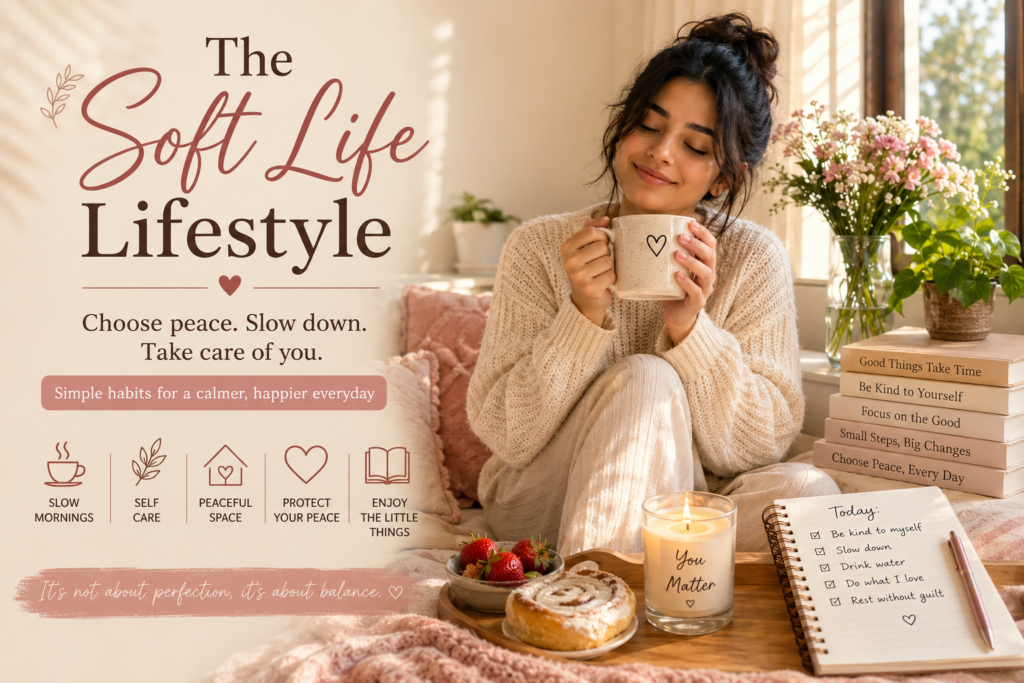
The “Soft Life” Lifestyle: What It Really Means and How to Live It

The idea of a “soft life” has become popular on social media, but it is much more than pretty pictures, expensive self-care products, luxury vacations, or slow mornings with a cup of coffee. A soft life is really about choosing a calmer, healthier, and more balanced way of living. It means giving yourself permission to slow down, enjoy small things, protect your peace, and stop feeling like you always have to be busy or productive. The best part is that you do not need a lot of money to live a soft life. You can create a softer lifestyle with simple everyday habits. What Is a Soft Life? A soft life means living with less unnecessary stress and more intention. It is about creating a life where you have time to breathe, rest, enjoy yourself, and take care of your needs. Instead of constantly trying to prove yourself or keep up with other people, you start asking yourself what actually makes you feel good. For example, a soft life can be as simple as: Having a peaceful morning instead of immediately checking your phone. Saying no when you genuinely do not have the energy. Keeping your room clean and comfortable. Taking a walk after a busy day. Wearing clothes that make you feel comfortable and confident. Spending time with people who make you feel relaxed. Taking a proper break without feeling guilty. Enjoying your favorite food without rushing. It is not about having a perfect life. It is about making your real life feel a little better. Soft Life Does Not Mean Being Lazy One common misunderstanding about the soft life is that it means being lazy or avoiding responsibilities. That is not true. You still have work, studies, family responsibilities, bills, deadlines, and difficult days. Life does not suddenly become stress-free because you choose a soft lifestyle. The difference is in how you handle your life. Instead of pushing yourself until you are completely exhausted, you learn when to rest. Instead of saying yes to everything, you understand that it is okay to have limits. Instead of comparing your life with someone else’s, you focus on what works for you. A soft life is not about doing nothing. It is about not making everything harder than it needs to be. Start Your Day Slowly Your morning can affect how the rest of your day feels. You do not need to wake up at 5 AM, exercise for an hour, meditate for 30 minutes, and prepare a perfect breakfast to have a good morning. A realistic soft morning can be much simpler. Wake up without immediately reaching for your phone. Open your curtains, drink some water, wash your face, and give yourself a few quiet minutes. If you have time, enjoy tea or coffee while sitting somewhere comfortable. Play some soft music or simply enjoy the silence. Even 10 peaceful minutes in the morning can make a difference. The goal is not to create a picture-perfect morning routine. The goal is to start your day without immediately feeling rushed. Learn to Enjoy Small Things A soft life is often found in ordinary moments. You do not need a luxury vacation to feel happy. Sometimes, happiness comes from very simple things. It can be: Fresh bedsheets after cleaning your room. Your favorite tea in the evening. A shower after a long day. Watching your favorite show. Going for a short walk. Cooking something you enjoy. Sitting near a window on a rainy day. Talking to someone you love. Listening to music while getting ready. These small moments may not look impressive on social media, but they can make everyday life feel much more enjoyable. Try to notice these moments instead of always waiting for something big to happen. Make Your Home Feel Peaceful Your surroundings can affect your mood. You do not need expensive furniture or a complete home makeover. Small changes can make your space feel more comfortable. Start by keeping the area around you reasonably clean. Put things back after using them. Change your bedsheets regularly. Keep your favorite things where you can easily see them. You can also add small touches that make you happy, such as flowers, photographs, candles, plants, or a cozy blanket. Your home does not have to look like a Pinterest or Instagram post. It simply needs to feel like a place where you can relax. Take Care of Your Body Taking care of yourself is an important part of a soft lifestyle. This does not mean following a strict diet or having a complicated fitness routine. Start with the basics. Get enough sleep when possible. Drink enough water. Eat proper meals. Move your body in a way you enjoy. Take breaks when you have been sitting for a long time. You could go for a walk, stretch for a few minutes, dance to your favorite songs, or do a simple home workout. The goal is not to punish your body for how it looks. The goal is to feel comfortable, energetic, and healthy in your everyday life. Create a Simple Self-Care Routine Self-care is often shown as expensive skincare, spa treatments, shopping, and beauty products. Those things can be enjoyable, but they are not the only forms of self-care. Real self-care can be very ordinary. Taking a proper shower, washing your hair, doing your skincare, cleaning your nails, getting enough sleep, or simply sitting quietly for a while can all be forms of self-care. You can also take care of your mental well-being by writing your thoughts down, taking a break from social media, spending time alone, or talking to someone you trust. Self-care should not feel like another task on your to-do list. Choose things that actually help you feel better. Stop Saying Yes to Everything Sometimes life feels stressful because we take on too much. We agree to plans we do not want to attend. We take responsibility for things that are not really ours. We answer every message immediately.

BEAUTY

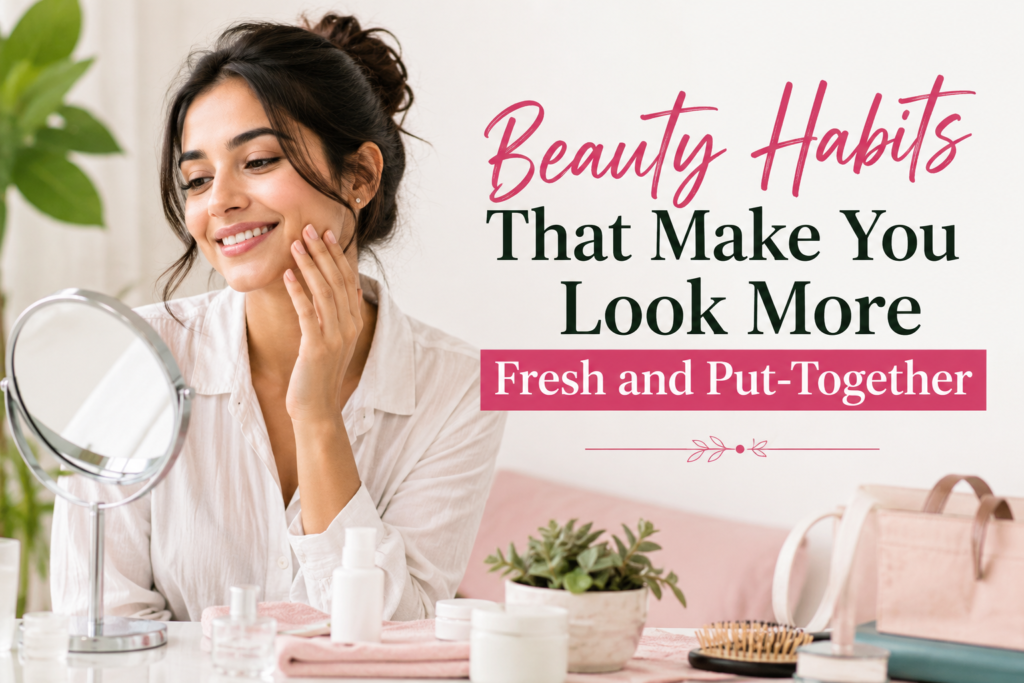
Beauty Habits That Make You Look More Fresh and Put-Together

Looking fresh and put-together does not mean you have to wear makeup every day or spend a lot of money on beauty products. In real life, most of us have busy mornings, bad hair days, tired eyes, and days when we simply do not feel like getting ready. Still, there are a few small beauty habits that can make you look more fresh without putting in too much effort. Sometimes, it is as simple as washing your face, brushing your hair, wearing clean clothes, applying lip balm, or taking a few extra minutes to make yourself look neat before leaving home. You do not have to completely change your appearance. The goal is simply to look clean, comfortable, and well cared for. Here are some easy beauty habits that you can actually follow in your everyday life. Start With Clean Skin You do not need a 10-step skincare routine to make your skin look fresh. Start with something simple. Wash your face in the morning with a gentle cleanser that suits your skin. If you have very dry skin, you may not need to cleanse aggressively in the morning. After cleansing, use a moisturizer that feels comfortable on your skin. This small routine can make your face feel cleaner and more awake, especially after a long night’s sleep. If you are going outside, sunscreen should also be part of your morning routine. Choose one that feels comfortable enough for you to use regularly. The best skincare routine is usually the one you can actually stick to. Take Care of Your Lips Dry, cracked lips can make you feel less put-together, especially when you are not wearing lipstick. Keep a lip balm in your handbag, college bag, or on your desk. Apply it whenever your lips feel dry. You do not need to constantly scrub your lips or use complicated lip treatments. A simple moisturizing lip balm is often enough for everyday care. If you spend a lot of time outdoors, a lip balm with SPF can also be useful. Soft lips are a small detail, but they can make your face look more fresh. Keep Your Hair Neat, Not Perfect Your hair does not have to look salon-perfect every day. In fact, trying to make your hair perfect every morning can take a lot of time. Instead, find two or three simple hairstyles that work for you. A clean ponytail, simple braid, low bun, or neatly brushed open hair can look great for everyday life. If your hair gets frizzy, use a small amount of a suitable hair product rather than using too much. And if you use heat styling tools regularly, try to give your hair some breaks. The main thing is to make your hair look clean and manageable. Sometimes, simply brushing your hair properly before leaving home can make a bigger difference than an elaborate hairstyle. Pay Attention to Your Nails You do not need a professional manicure every week to have neat hands. Keep your nails clean and trim them when they become too long. If you like nail polish, you can wear it, but it is completely optional. Even natural nails can look beautiful when they are clean and well maintained. Also remember your hands. If they feel dry, apply hand cream or a little moisturizer. Clean hands and neat nails are small details that people often notice without even realizing it. Wear Clean and Comfortable Clothes Looking put-together is not about wearing expensive clothes. A simple outfit can look really good when your clothes are clean, comfortable, and wrinkle-free. Before leaving home, take a quick look at your outfit. Is there any stain? Is the shirt too wrinkled? Does your hair go well with the outfit? You do not need to spend a lot of time thinking about it. A basic pair of jeans with a clean top, simple earrings, and neat hair can look more polished than an expensive outfit that is not well maintained. Taking care of the clothes you already own can make a big difference. Find a Simple Everyday Makeup Look If you enjoy makeup, you do not have to wear a full face every day. For college, work, shopping, or casual outings, you can keep your makeup simple. For example, you might use sunscreen, a little concealer if you want, some blush, mascara, and lip balm or lipstick. Some days you may want more makeup, and some days you may want none at all. Both are completely fine. The purpose of everyday makeup should be to make you feel comfortable and confident, not to hide your natural face. A little makeup can be nice, but it is not necessary for looking fresh Keep Your Eyebrows Neat Eyebrows can change the way your face looks, but they do not need to be perfectly shaped. If you get your eyebrows threaded or waxed, simply maintain the shape that suits your face. If you prefer natural brows, just brush them into place. You can also use a clear brow gel if you want them to stay neat throughout the day. Avoid feeling like you need to follow every eyebrow trend. Natural-looking brows are often easier to maintain and look more effortless. Do Not Forget Personal Hygiene This may sound obvious, but personal hygiene is one of the biggest parts of looking and feeling fresh. Take regular showers, brush your teeth properly, wash your hands, use deodorant if needed, and change into fresh clothes regularly. Also pay attention to things like clean socks, fresh towels, and clean pillowcases. These small habits may not feel like beauty tips, but they have a lot to do with feeling clean and comfortable. You can have the best makeup and skincare products in the world, but basic hygiene will always matter more. Get Enough Sleep When You Can We all have nights when we stay up late. Maybe you are watching a movie, working on an assignment, scrolling through your phone, or simply cannot fall asleep.

FASHION

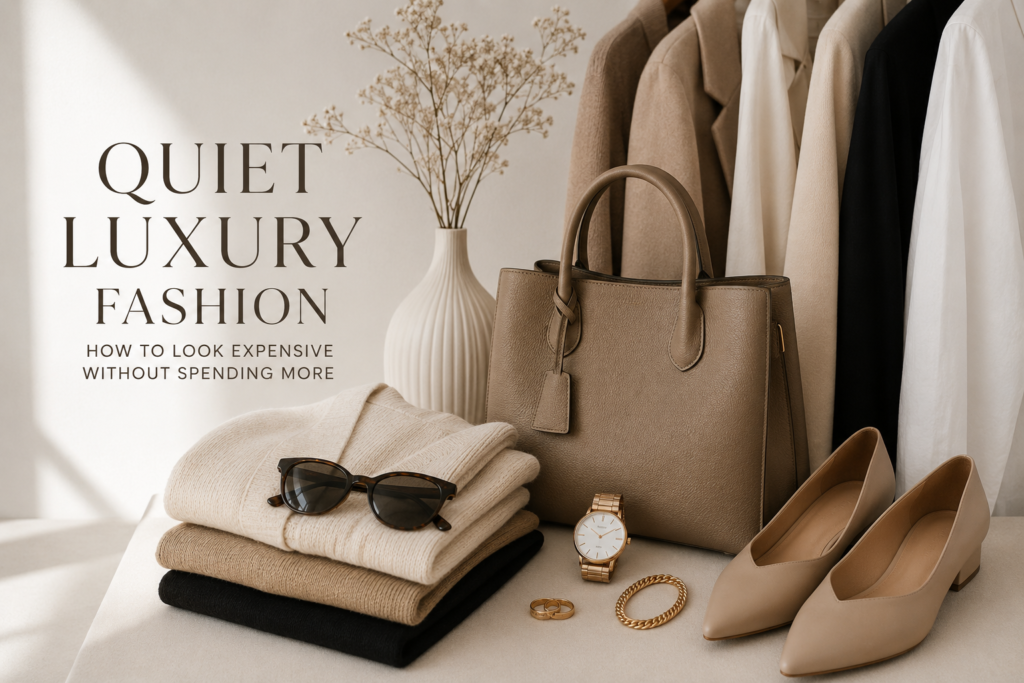
Quiet Luxury Fashion: How to Look Expensive Without Spending More

Fashion is not always about wearing expensive brands or buying the latest trends. Sometimes, the most stylish outfits are simple, clean, and carefully put together. This is where quiet luxury fashion comes in. Quiet luxury is a style that focuses on looking elegant without showing off. It is about choosing simple clothes, neutral colors, good fits, and quality-looking pieces. You do not need a huge budget to follow this trend. With the right styling ideas, you can make affordable clothes look polished and expensive. The best part about quiet luxury is that it is easy to include in your everyday wardrobe. You can create this look with clothes you already own and make a few smart changes. What Is Quiet Luxury Fashion? Quiet luxury is a fashion style based on simplicity, elegance, and timeless clothing. Instead of large logos, bright designs, or short-lived trends, this style focuses on clothes that look clean and sophisticated. Think of a simple white shirt, well-fitted trousers, a neutral blazer, a structured handbag, or classic flats. These pieces may look basic, but when styled correctly, they can create a very elegant outfit. Quiet luxury does not mean that everything has to be expensive. It is more about how you choose, combine, and wear your clothes. The goal is simple: look polished without looking like you are trying too hard. Why Is Quiet Luxury So Popular? Fashion trends change quickly. One season, a certain color or style may be popular, and a few months later, something completely different may become trendy. Quiet luxury is different because it focuses on timeless fashion. A well-fitted shirt or classic trousers can be worn for years without looking outdated. Many people also like this style because it makes getting dressed easier. Instead of having a wardrobe full of trendy pieces, you can have a smaller collection of versatile clothes that work together. This approach can also help you save money because you do not have to constantly shop for new trends. Choose Natural Colors One of the easiest ways to create a quiet luxury look is to wear neutral colors. Colors such as white, cream, beige, black, brown, grey, navy, and soft blue naturally create a sophisticated appearance. You do not need to wear only one color. Try combining two or three neutral shades in the same outfit. For example, you can wear: A white shirt with beige trousers A black top with grey pants A cream sweater with blue jeans A brown bag with a white outfit These combinations look simple but elegant. If you love bright colors, you do not have to completely avoid them. Instead, use them in small amounts through accessories such as a scarf, handbag, shoes, or jewelry. Focus on the Fit The fit of your clothes can make a bigger difference than the price. Even an affordable outfit can look expensive when it fits your body properly. On the other hand, a costly outfit can look messy if it is too loose, too tight, or poorly shaped. Look for clothes that sit comfortably on your shoulders and have the right length. Trousers should fit well around the waist, while shirts should not look overly tight or oversized unless the style is intentional. If possible, get small alterations done to your favorite clothes. Adjusting the length of trousers or sleeves can make an affordable piece look much more polished. Remember: good fit often matters more than a high price tag. Keep Your Clothes Clean and Well-Maintained One of the biggest secrets of looking expensive has nothing to do with shopping. It is about taking care of what you already have. Wrinkled shirts, dusty shoes, loose threads, and faded clothes can make an outfit look less polished. Before leaving home, take a few minutes to check your outfit. Iron or steam your clothes when needed. Clean your shoes regularly. Remove loose threads and store your clothes properly. You can have a very affordable outfit that looks elegant simply because it is clean, neat, and well-maintained. Build a Simple Wardrobe You do not need hundreds of clothes to create a quiet luxury wardrobe. Instead, focus on versatile pieces that can be worn in different ways. A few useful basics can create many outfits. Some good wardrobe essentials include: A white or cream shirt Straight-leg or tailored trousers A simple blazer Classic blue or black jeans A neutral sweater A simple dress Comfortable flats or loafers A structured handbag These pieces can easily be mixed and matched. For example, your blazer can be worn with jeans for a casual look or with trousers for a more formal outfit. Choose Simple Designs Quiet luxury is all about avoiding unnecessary details. Clothes with too many large prints, shiny decorations, oversized logos, or complicated designs may not give you the same timeless effect. Instead, choose simple silhouettes and clean designs. A plain shirt can look more elegant than a heavily printed one when styled properly. A simple black dress can also be more versatile than a dress with many decorations. Simple does not mean boring. It means intentional and easy to style. Avoid Large Logos Large brand logos are not necessary for looking fashionable. Quiet luxury usually focuses on subtle style rather than showing the name of the brand. You can create the same feeling with affordable clothing that has clean designs and good finishing. Instead of choosing an item because of its logo, look at the material, fit, color, and overall appearance. The idea is to make people notice your style, not just the brand you are wearing. Pay Attention to Accessories Accessories can completely change a simple outfit. You do not need a lot of jewelry or expensive accessories. A few simple pieces can be enough. Try small gold or silver earrings, a classic watch, a simple belt, or a structured handbag. For bags, neutral shades such as black, brown, beige, and cream are easy to style. Shoes are also important. Clean loafers, simple flats, classic sneakers, or

BEAUTY

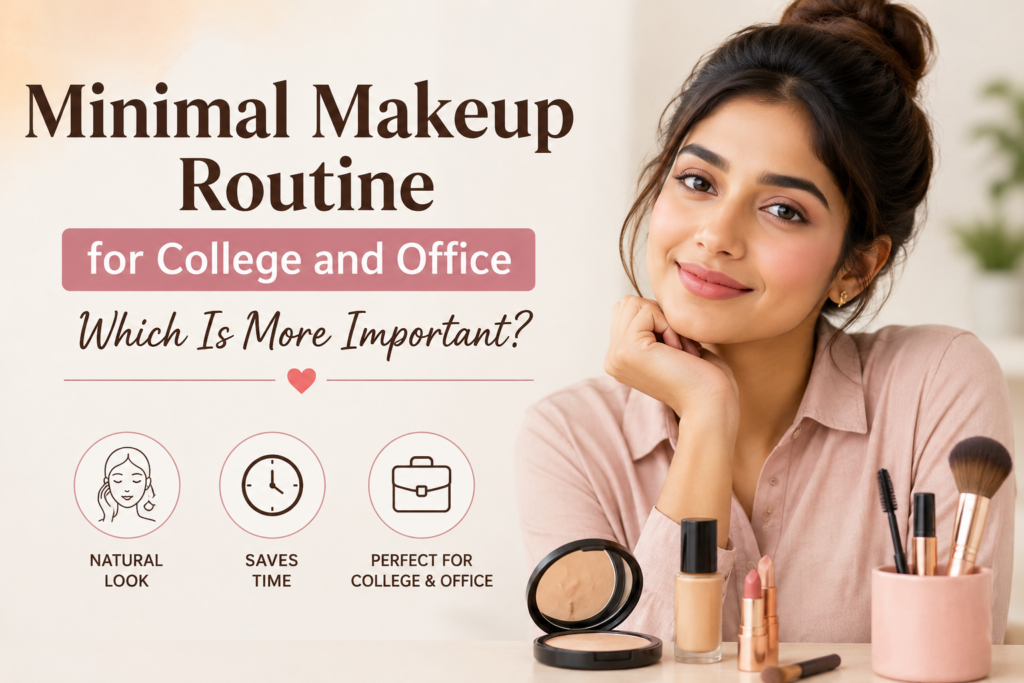
Minimal Makeup Routine for College and Office: A Simple Guide for a Fresh Everyday Look

In today’s busy lifestyle, most students and working professionals want to look neat, confident, and presentable without spending too much time on makeup. Whether you are rushing to college in the morning or getting ready for the office, a minimal makeup routine can help you achieve a fresh and natural look in just a few minutes. Minimal makeup is all about enhancing your natural beauty instead of hiding it. It uses fewer products, takes less time, and feels comfortable throughout the day. Unlike heavy makeup, a simple makeup routine allows your skin to breathe while giving you a polished appearance. The best part is that you don’t need to be a makeup expert or own expensive products. With a few basic items and the right steps, anyone can create a clean and elegant everyday look. In this blog, you’ll learn why minimal makeup is becoming popular, what products you need, how to apply them, and simple tips to make your makeup last all day. Why Choose Minimal Makeup? Many people believe that looking beautiful requires heavy makeup, but that isn’t true. A minimal makeup routine focuses on healthy skin and subtle enhancement rather than covering your face with multiple layers of products. For college students, minimal makeup saves time before classes and creates a natural appearance suitable for daily activities. It also feels light and comfortable during long lectures. For office professionals, simple makeup creates a professional image without looking too bold. It helps you appear confident, well-groomed, and ready for meetings or presentations. Minimal makeup also reduces the chances of clogged pores because fewer products are applied to the skin. It is easier to remove at the end of the day and requires less maintenance. Start with Healthy Skin Good makeup always begins with good skincare. If your skin is clean and moisturized, your makeup will look smoother and last longer. Start by washing your face with a gentle cleanser that suits your skin type. This removes oil, sweat, and dirt collected overnight. After cleansing, apply a lightweight moisturizer to keep your skin hydrated. Even people with oily skin should use a moisturizer because hydrated skin produces less excess oil. Never skip sunscreen during the day. Sunscreen protects your skin from harmful UV rays and helps prevent tanning, pigmentation, and premature aging. Allow your skincare products to absorb into the skin for a few minutes before applying makeup. Choose a Light Base The goal of minimal makeup is to create an even skin tone without making your face look heavy. Instead of using full-coverage foundation every day, choose products with lighter coverage such as a BB cream, CC cream, or tinted moisturizer. These products even out your complexion while keeping your skin looking natural. Apply a small amount and blend it evenly using your fingers, a makeup sponge, or a brush. If you have acne marks, dark circles, or blemishes, use a little concealer only on those areas instead of covering your entire face. This keeps your makeup looking fresh and natural. Set Your Makeup Lightly If your skin becomes oily during the day, lightly apply a compact powder or loose powder to your T-zone, which includes your forehead, nose, and chin. Avoid using too much powder because it can make your makeup appear dry or cakey. If your skin is naturally dry, you may even skip this step. Add a Natural Glow A healthy glow makes your face look fresh without requiring heavy makeup. Choose a soft blush in peach, pink, or coral shades that complement your skin tone. Smile gently and apply a small amount to the apples of your cheeks, blending it upward. You don’t need a strong highlighter for everyday makeup. A subtle natural glow looks more elegant and professional. Keep Eye Makeup Simple For college and office, simple eye makeup is usually enough. Start by brushing your eyebrows neatly. If needed, lightly fill any gaps using an eyebrow pencil or powder that matches your natural hair color. Apply a neutral eyeshadow shade such as beige, light brown, or soft peach to your eyelids. A thin line of eyeliner close to the lashes can define your eyes without making them look dramatic. Finish with one or two coats of mascara to make your eyelashes appear longer and your eyes look brighter. Avoid glittery eyeshadows or dramatic eyeliner styles for everyday settings. Choose Comfortable Lip Colors Lip color completes your makeup look. For college and office, soft and natural shades work best. Choose colors like: Nude Peach Soft pink Rose Light brown Mauve Tinted lip balms are also excellent for everyday use because they provide moisture along with a hint of color. Before applying lipstick, keep your lips smooth by using lip balm regularly. Products You Really Need Many beginners believe they need dozens of beauty products, but a minimal makeup routine requires only a few essentials. Basic products include: Gentle cleanser Moisturizer Sunscreen BB cream or tinted moisturizer Concealer (optional) Compact powder Blush Eyebrow pencil Mascara Lipstick or tinted lip balm These products are enough to create a fresh and natural everyday appearance. Makeup Tips for College Students College makeup should be simple, lightweight, and easy to maintain. Choose products that feel comfortable during long hours. Avoid heavy contouring or thick foundation because they may not suit classroom environments. Carry blotting papers or compact powder if your skin becomes oily during the day. Always remove your makeup after returning home to keep your skin healthy. Makeup Tips for Office Professionals Office makeup should look neat and professional. Keep your base light and natural. Use neutral eye makeup instead of bright colors. Choose lipstick shades that are elegant and long-lasting. Carry lipstick and compact powder in your bag for quick touch-ups if necessary. Remember that confidence and a neat appearance matter more than heavy makeup. Common Mistakes to Avoid Even with minimal makeup, some mistakes can affect your overall look. Avoid these common errors: Applying too much foundation. Choosing the wrong foundation shade. Skipping moisturizer.

BEAUTY

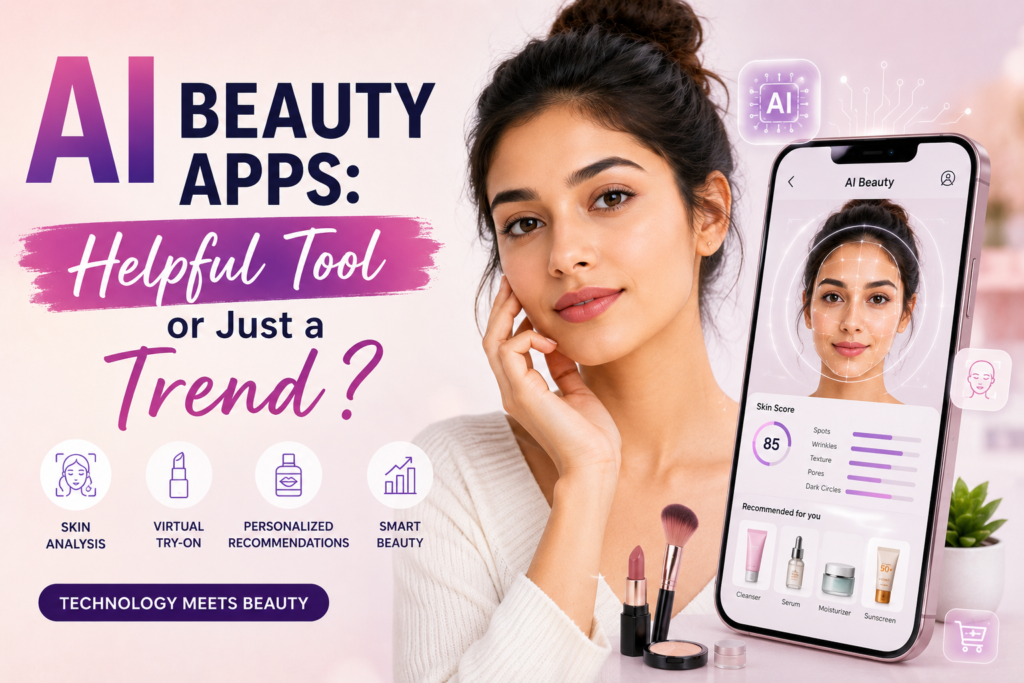
AI Beauty Apps: Helpful Tool or Just a Trend?

A Complete Guide in Simple and Easy Language Technology is changing almost every part of our lives, and the beauty industry is no exception. Today, many people use AI beauty apps to try new makeup looks, analyze their skin, find suitable skincare products, and even get beauty advice without visiting a salon or beauty expert. These apps have become very popular because they are easy to use and save both time and money. With just a smartphone camera, users can see how different lipstick shades, hairstyles, or makeup products will look on their faces. But an important question remains: Are AI beauty apps really helpful, or are they just another short-term trend? In this blog, we will understand what AI beauty apps are, how they work, their benefits, their limitations, and whether they are worth using. Everything is explained in simple and easy language. What Are AI Beauty Apps? AI stands for Artificial Intelligence. It is a technology that allows computers and apps to learn, analyze, and make smart suggestions. AI beauty apps use your phone’s camera to study your face. They can recognize your facial features, skin tone, skin type, eye shape, and even detect common skin concerns like acne, dark spots, or wrinkles. After analyzing your face, the app gives suggestions such as: Makeup that suits your face Lipstick shades matching your skin tone Hairstyles that fit your face shape Skincare routines Product recommendations Beauty tips These apps make beauty shopping easier because users can try products virtually before buying them. How Do AI Beauty Apps Work? Most AI beauty apps follow a simple process. Step 1: Scan Your Face You upload a selfie or use your phone camera. Step 2: Analyze Facial Features The app studies your: Skin tone Face shape Eyes Lips Hairline Skin condition Step 3: Give Personalized Suggestions Based on the analysis, the app recommends beauty products, makeup styles, or skincare routines. Step 4: Virtual Try-On Many apps let you see how makeup looks on your face before purchasing it. This entire process usually takes less than a minute. Why Are AI Beauty Apps Becoming Popular? There are many reasons why people love these apps. They Save Time Instead of trying many makeup products in stores, users can test them virtually at home. Easy to Use Most apps work with just a smartphone and internet connection. Personalized Recommendations Unlike general beauty advice, AI apps give suggestions based on your own face and skin. Better Shopping Experience Users feel more confident while buying beauty products because they have already seen how they look. Available Anytime Unlike beauty salons, AI apps are available 24 hours a day. Benefits of AI Beauty Apps 1. Virtual Makeup Try-On One of the biggest advantages is virtual makeup. You can try: Lipsticks Eyeliners Foundations Blush Eyeshadow Mascara without actually applying them. This saves money because you buy only products that suit you. 2. Skin Analysis Some AI beauty apps examine your skin and identify problems such as: Acne Dry skin Oily skin Dark circles Fine lines Pigmentation They then recommend skincare routines that may suit your needs. 3. Personalized Beauty Advice Everyone has different skin and facial features. AI apps provide suggestions based on your individual needs instead of offering the same advice to everyone. 4. Hairstyle Suggestions Thinking about changing your hairstyle? Many AI apps let you see different haircuts and hair colors before making any changes. This helps avoid disappointment after visiting a salon. 5. Confidence Before Shopping Buying makeup online can be confusing because product colors may look different in real life. AI beauty apps reduce this confusion by showing how products appear on your own face. Are AI Beauty Apps Accurate? The answer is partly yes. AI technology has improved a lot, but it is still not perfect. Many apps provide good recommendations, but factors like lighting, camera quality, and filters can affect the results. Sometimes: Foundation shades may look different in real life. Skin analysis may not be completely accurate. Hair colors may appear brighter on screen. So, AI beauty apps should be used as a guide, not as the final decision. Limitations of AI Beauty Apps Although these apps are helpful, they also have some drawbacks. Not Always Perfect No app can completely understand every skin condition. If someone has serious skin problems, they should consult a dermatologist instead of relying only on an app. Camera Quality Matters Poor lighting or a low-quality camera can reduce the accuracy of the results. Privacy Concerns AI beauty apps usually require access to your camera and photos. Before using any app, it is important to read its privacy policy and understand how your data is stored and used. Too Much Editing Some apps make users look unrealistically perfect. This can create unrealistic beauty expectations, especially among teenagers. Natural beauty should always be appreciated. Who Can Use AI Beauty Apps? AI beauty apps are suitable for many people, including: Makeup beginners Beauty lovers College students Office professionals Online shoppers Content creators Fashion influencers Even people who rarely wear makeup can use these apps to learn simple beauty tips. Are AI Beauty Apps Replacing Beauty Experts? The answer is No. AI beauty apps are helpful tools, but they cannot replace professional beauty experts. Beauty professionals offer: Personal experience Practical makeup skills Skin treatments Hair styling Professional advice AI apps can support beauty routines, but experts still play an important role. Tips for Using AI Beauty Apps Wisely To get the best experience: Use good lighting while scanning your face. Keep your camera lens clean. Do not depend completely on AI suggestions. Compare recommendations before buying products. Protect your personal information. Choose trusted apps with good reviews. Remember that natural beauty is always valuable. Are AI Beauty Apps Just a Trend? Many people think AI beauty apps are just another temporary trend. However, technology experts believe AI will continue to grow in the beauty industry. Today, many beauty brands already use AI for: Online shopping Product recommendations Virtual consultations

BEAUTY

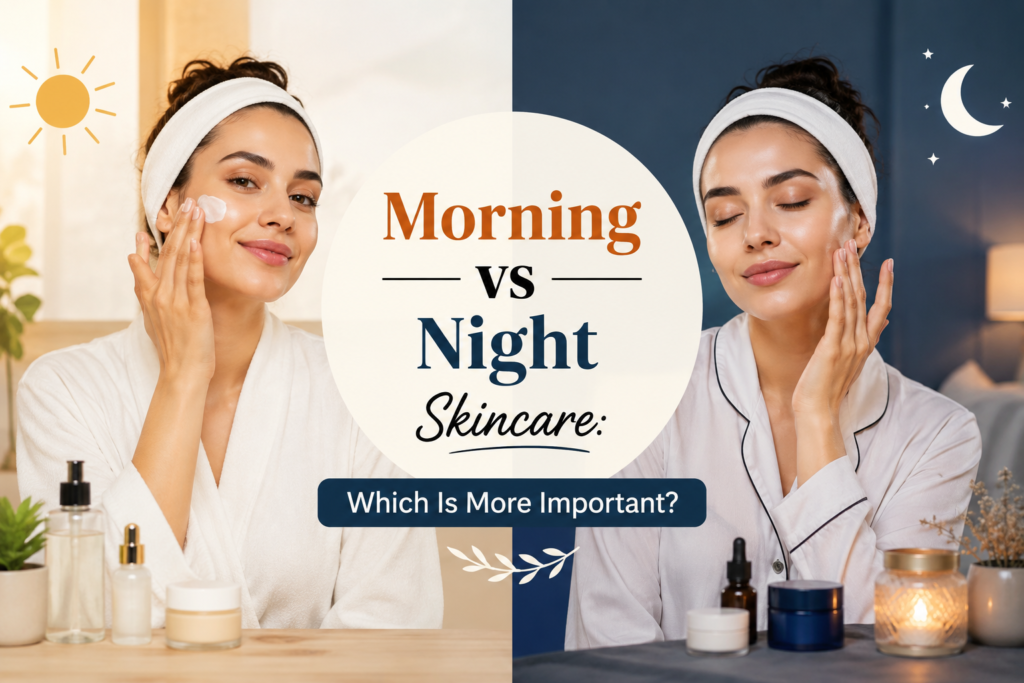
Morning vs Night Skincare: Which Is More Important?

Skincare is not only about beauty. It is also about protection, health, and long-term care. Your skin is the largest organ of your body, and it faces dust, sun, pollution, sweat, makeup, and stress every day. At night, it gets a chance to rest and repair, but only if you support it with the right routine. That is why the debate of morning vs night skincare is not about choosing one and ignoring the other. Morning skincare prepares your skin for the day, and night skincare helps fix the damage that happened during the day. If you understand this difference clearly, it becomes much easier to build a routine that actually works. Why Morning Skincare Matters Morning skincare is your first layer of defense. After a night of rest, your skin needs gentle cleansing, hydration, and protection before you step outside. During the day, your face faces UV rays, pollution, heat, dirt, and blue light from screens. These things may not always be visible, but they can slowly harm the skin over time. The most important part of a morning routine is sunscreen. Many skin experts and routine guides highlight sunscreen as the key product in the daytime routine because it protects your skin from sun damage, tanning, dark spots, and early signs of aging. Without sunscreen, even the best serum or moisturizer cannot fully protect your skin from daily exposure. Morning skincare also helps your makeup sit better, keeps your skin fresh, and controls dryness or oiliness during the day. A clean and protected face can feel more comfortable and look healthier. If your morning routine is simple and consistent, it can make a big difference over time. Why Night Skincare Matters Night skincare is where repair happens. While you sleep, your skin naturally shifts into recovery mode. This is the time when it works on healing, renewing cells, and restoring moisture lost during the day. Because of this, nighttime is often the best time to use nourishing creams and treatment products. At night, you also remove the build-up of the entire day. Makeup, sunscreen, sweat, dirt, and pollution can settle on the skin and clog pores if they are not cleaned properly. A good night routine clears this away and gives your skin a fresh start. This is especially important for people with acne-prone, oily, or dull skin.timesofindia. Night skincare is also the best time for stronger products like retinoids, exfoliating acids, or richer moisturizers, depending on your skin type and needs. Many routine guides explain that the order and type of products matter at night because the skin can handle treatments better while resting. Which One Is More Important? If we are being honest, night skincare often does the deeper work, but morning skincare protects everything you are trying to achieve. That means they are both important in different ways. Night care helps repair damage, and morning care helps prevent new damage from happening. If you skip night skincare, your skin may stay dirty, dry, and tired-looking. If you skip morning skincare, your skin may be unprotected during the day. So instead of asking which one is better, it is better to ask how both can work together. The best skin usually comes from balance, not from choosing one routine and ignoring the other. For many people, if they only have time for one routine at first, night skincare may feel slightly more powerful because it supports repair. But in real life, morning skincare is the one that gives your skin daily defense. Without sunscreen and daytime protection, your skin can keep getting damaged again and again. What Happens If You Skip One If you skip morning skincare, your skin may still feel okay for a while, but the damage can build up quietly. Sun exposure can cause tanning, spots, uneven skin tone, and premature aging. Pollution and dust can also make your skin look dull and stressed. This is why morning protection is not optional if you want healthy skin in the long run. If you skip night skincare, the problem is different. Dirt, oil, and makeup may sit on your skin longer than they should. This can lead to clogged pores, breakouts, rough texture, and a tired look in the morning. Over time, your skin may also lose softness and glow because it does not get the support it needs during its repair phase.timesofindia. So both routines protect you from different kinds of problems. Morning skincare is about prevention, and night skincare is about repair. Together, they create a complete routine that keeps your skin balanced and healthy. Simple Routine for Morning You do not need a long morning routine to get results. In fact, a short and simple routine is often easier to follow every day. The main goal is to cleanse lightly, hydrate, and protect.healthline+1 A basic morning routine can be: Cleanser to remove overnight oil and sweat. Moisturizer to keep skin soft and comfortable. Sunscreen to protect from sun damage. If you want, you can also add a serum before moisturizer, but it is not necessary for everyone. The most important thing is to keep the routine practical so you can follow it daily. Simple Routine for Night A night routine can be just as simple. The goal is to remove the day’s buildup and help your skin recover while you sleep. You can keep it basic or add treatment products depending on your skin concerns. A basic night routine can be: Cleanser to remove dirt, oil, makeup, and sunscreen. Treatment product if needed, such as serum or acne care. Moisturizer to support repair and hydration. If your skin is sensitive, keep the routine gentle. If your skin is dry, choose a richer moisturizer. If your skin has acne or dark spots, night may be the best time to use targeted products, but always go step by step and do not overload the skin.  Best Way to Think About It A helpful way to understand skincare is to think of morning

LIFESTYLE

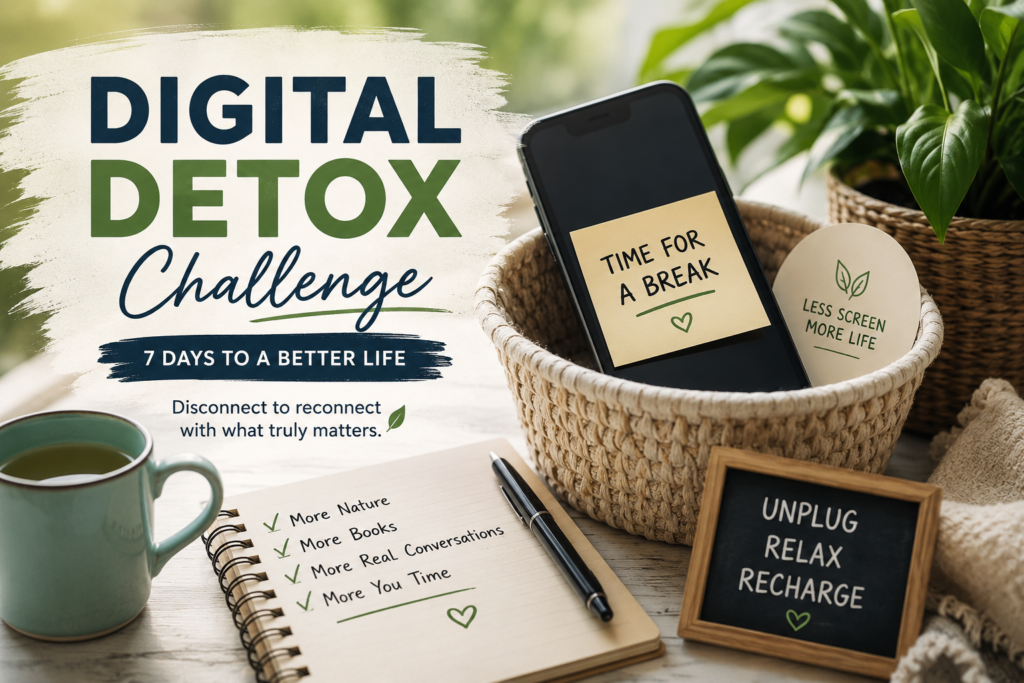
Digital Detox Challenge: 7 Days to a Better Life

In today’s world, smartphones, laptops, tablets, and social media have become a part of our daily lives. We use them for work, study, shopping, entertainment, and staying connected with friends and family. While technology makes life easier, spending too much time on screens can affect our physical and mental health. Many people spend several hours every day scrolling through social media, watching videos, or checking messages without even realizing how much time has passed. This habit can lead to stress, poor sleep, less productivity, and fewer real-life conversations. A digital detox means taking a break from unnecessary screen time. It does not mean giving up technology forever. Instead, it means using technology wisely and creating a healthier balance between online and offline life. This 7-Day Digital Detox Challenge is simple and practical. You do not need to make huge changes overnight. Small daily steps can help you build better habits and improve your overall well-being. Why Do You Need a Digital Detox? Technology is useful, but too much of anything can become unhealthy. Many people wake up and immediately check their phones. Throughout the day, they keep checking notifications, emails, and social media updates. Before going to bed, they spend even more time looking at screens. This constant screen use can make people feel tired, distracted, and anxious. It can also reduce the time spent with family, hobbies, exercise, and relaxation. A digital detox helps you slow down and focus on what truly matters. It gives your mind a chance to rest and helps you enjoy real-life experiences. Benefits of a Digital Detox Technology is useful, but too much of anything can become unhealthy. Many people wake up and immediately check their phones. Throughout the day, they keep checking notifications, emails, and social media updates. Before going to bed, they spend even more time looking at screens. This constant screen use can make people feel tired, distracted, and anxious. It can also reduce the time spent with family, hobbies, exercise, and relaxation. A digital detox helps you slow down and focus on what truly matters. It gives your mind a chance to rest and helps you enjoy real-life experiences. Day 1: Check Your Screen Time The first step is to understand how much time you actually spend on your devices. Most smartphones have a screen time feature that shows how many hours you use your phone each day. Check your report and notice which apps take up most of your time. Don’t judge yourself. This is simply a starting point. Set a small goal to reduce your screen time by at least 30 minutes today. Replace that time with something enjoyable, such as reading, walking, or talking with your family. Small changes can make a big difference over time. Day 2: Turn Off Unnecessary Notifications Notifications constantly interrupt our focus. Every beep, vibration, or popup encourages us to pick up our phones, even when it is not important. Today, go through your phone settings and turn off notifications for apps that are not necessary. Keep only the important ones like calls, messages from family, or work-related alerts. You will notice that your phone becomes much quieter, and you will feel less pressure to check it every few minutes. Day 3: Eat Without Screens Many people watch videos or scroll through social media while eating. This habit prevents us from enjoying our meals and spending time with family. Today, make every meal a screen-free experience. Keep your phone away from the dining table. Pay attention to your food, enjoy the taste, and have conversations with the people around you. Eating without screens also helps improve mindful eating and digestion. Day 4: Spend Time Outdoors Instead of spending your free time online, go outside for a while. Take a walk in a nearby park, water your plants, ride a bicycle, or simply sit outside and enjoy nature. Fresh air and sunlight can improve your mood and reduce stress. Even 30 minutes outdoors can help refresh your mind. If possible, leave your phone in your pocket and enjoy the moment without checking social media. Day 5: Find an Offline Hobby Technology often replaces activities that once brought us joy. Today, spend some time doing something that does not require a screen. You can read a book, draw, paint, cook a new recipe, write in a journal, play a board game, listen to music, or learn a new skill. Offline hobbies help reduce stress and allow your creativity to grow. You may even discover a new passion that makes you happier than endless scrolling. Day 6: Create a No-Phone Evening Evenings are the perfect time to relax and reconnect with yourself. Choose one or two hours before bedtime when you will not use your phone, tablet, or laptop unless absolutely necessary. Instead, spend time reading, talking with family, stretching, meditating, or planning the next day. Reducing screen time before sleep helps your brain relax, making it easier to fall asleep and wake up feeling refreshed. Day 7: Enjoy a Digital-Free Morning Most people begin their day by checking notifications, emails, or social media. Today, try something different. For the first hour after waking up, avoid using your phone. Instead, drink water, exercise, meditate, enjoy breakfast, write in a journal, or simply spend a few quiet moments planning your day. Starting the day calmly instead of immediately looking at a screen can improve your mood and increase productivity throughout the day. How to Continue After the Challenge Completing the challenge is only the beginning. The goal is not to avoid technology forever but to build healthier habits. Continue limiting unnecessary screen time whenever possible. Create phone-free zones in your home, such as the dining table or bedroom. Spend more time with family and friends, and choose real conversations over endless scrolling. You can also schedule regular digital detox days once every week or month. Even a few hours away from screens can refresh your mind. Remember that technology should support your life, not control

LIFESTYLE

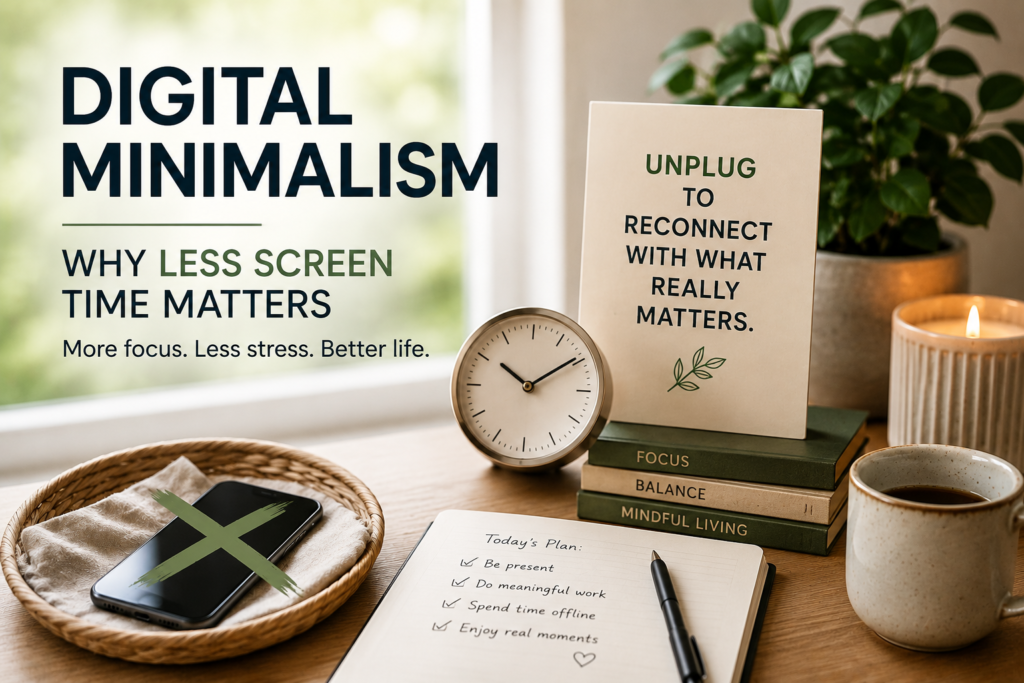
Digital Minimalism: Why Less Screen Time Matters

In today’s digital world, screens have become a part of almost everything we do. We use smartphones to stay connected, laptops for work, tablets for entertainment, and televisions to relax. While technology has made life easier, spending too much time in front of screens has also created new problems. Many people check their phones every few minutes without even realizing it. They scroll through social media, watch endless videos, reply to messages, and switch from one app to another throughout the day. This constant connection can make us feel busy, distracted, and mentally tired. It often leaves us with less time for family, hobbies, exercise, or simply enjoying the present moment. This is where digital minimalism becomes important. Digital minimalism is a simple lifestyle that encourages people to use technology with purpose instead of allowing technology to control their lives. It does not mean giving up smartphones or deleting every social media account. Instead, it means choosing what truly adds value to your life and reducing unnecessary screen time. In this blog, we will understand what digital minimalism is, why it matters, and how reducing screen time can improve your health, relationships, productivity, and overall happiness. What Is Digital Minimalism? Digital minimalism is the practice of using digital devices only when they serve a meaningful purpose. Instead of spending hours scrolling through social media or checking notifications, digital minimalists use technology intentionally. Think of your phone as a useful tool rather than a source of constant entertainment. If an app helps you learn, work, communicate, or manage your daily life, it deserves a place on your device. If it wastes your time without adding value, you can reduce or remove it. The main goal is not to avoid technology but to create a healthier relationship with it. Technology should support your life instead of taking it over. Why Are We Spending So Much Time on Screens? Modern apps are designed to keep people engaged. Notifications, likes, comments, short videos, and endless scrolling encourage us to stay online longer than we planned. Many people pick up their phones for just a minute, but that one minute easily turns into thirty or even sixty minutes. Over time, this habit becomes automatic. People also use screens when they feel bored, stressed, lonely, or tired. Instead of dealing with these emotions, they distract themselves with digital content. As screen time increases, real-life experiences often become less important. The Hidden Effects of Too Much Screen Time Spending several hours every day on screens may seem normal, but it can affect many areas of life. One common problem is reduced focus. Constant notifications interrupt our attention, making it difficult to complete important tasks. Even after putting the phone away, our mind may continue thinking about messages or social media updates. Too much screen time can also affect sleep. Looking at bright screens before bedtime may make it harder to fall asleep. Poor sleep often leads to tiredness, mood changes, and lower energy during the day. Many people also experience eye strain, headaches, neck pain, and back pain because they spend long hours looking at screens without taking breaks. Emotionally, comparing ourselves with others on social media can lower confidence and increase stress. People often post only the best moments of their lives, creating unrealistic expectations. Benefits of Digital Minimalism One of the biggest benefits of digital minimalism is better mental clarity. When you reduce distractions, your mind feels calmer and more focused. You can think more clearly and complete tasks without constantly checking your phone. Another advantage is improved productivity. Instead of losing hours on unnecessary scrolling, you can spend that time learning new skills, reading books, exercising, or working on personal goals. Better sleep is another important benefit. Limiting screen use before bedtime helps your brain relax naturally, making it easier to fall asleep. Digital minimalism also improves relationships. When you spend less time looking at your phone, you become more present with family and friends. Simple conversations become more meaningful because you are giving people your full attention. Many people also notice reduced stress after cutting down on screen time. Without endless notifications and online comparisons, life feels quieter and more balanced. Quality Is Better Than Quantity Using technology wisely is more important than avoiding it completely. For example, spending thirty minutes attending an online course or reading educational articles is far more valuable than spending three hours watching random videos. Digital minimalism encourages people to ask simple questions before using technology. Is this helping me? Am I learning something useful? Will I remember this tomorrow? If the answer is no, it may not be worth your time. Practical Ways to Reduce Screen Time Reducing screen time does not require major changes overnight. Small habits often create lasting results. Start by tracking how much time you spend on your phone each day. Many smartphones include built-in screen time reports that show which apps you use the most. After identifying your biggest distractions, try setting daily limits for entertainment apps. You can also turn off unnecessary notifications. Every notification interrupts your attention, even if you do not open it immediately. Keeping your phone away during meals allows you to enjoy conversations and eat more mindfully. Another helpful habit is creating phone-free zones inside your home. For example, you can decide not to use your phone in the bedroom or at the dining table. These simple changes help reduce screen dependence naturally. Replace Screen Time with Meaningful Activities Reducing screen time becomes much easier when you replace it with enjoyable offline activities. Reading books is a wonderful way to relax while improving your knowledge and vocabulary. Going for a walk helps both physical and mental health. Fresh air and movement can improve your mood more than spending another hour online. Many people also enjoy gardening, cooking, painting, writing, photography, or playing musical instruments. Spending time with family and friends without checking your phone creates stronger relationships and lasting memories. Even sitting quietly for a few

Scroll to Top