
Author name: shanvig506@gmail.com

LIFESTYLE

Best Things to Do on a Lazy Sunday

A lazy Sunday is the perfect time to slow down, rest your mind, and enjoy simple things. You do not need a packed plan or a busy schedule to make the day feel special. In fact, the best lazy Sundays are often the ones that feel peaceful, easy, and unhurried. Sunday is a good day to recharge before a new week begins. You can sleep a little more, eat your favorite food, spend time with yourself, or do small tasks that make you feel calm. The goal is not to be productive all day. The goal is to feel refreshed and happy. Lorem ipsum dolor sit amet, consectetur adipiscing elit. Ut elit tellus, luctus nec ullamcorper mattis, pulvinar dapibus leo. Why Lazy Sundays Matter Many people feel tired after a busy week. School, work, house duties, and daily stress can leave the mind and body drained. A lazy Sunday gives you a break from all that pressure. It helps you slow down and enjoy a softer pace of life. This kind of day can also help improve your mood. When you rest well, you often feel more focused and ready for Monday. Even simple things like a good breakfast, a short walk, or quiet time with a book can make a big difference. Lazy Sundays are not wasted time. They are recovery time. Sleep In a Little One of the best things to do on a lazy Sunday is to sleep in. After waking up early for several days in a row, a slower morning can feel amazing. You do not need to jump out of bed as soon as you open your eyes. Let yourself wake up naturally if you can. You can stay in bed for a few extra minutes and enjoy the silence. Stretch your body, listen to soft music, or simply close your eyes again for a while. Sometimes the best start to a Sunday is doing absolutely nothing for a few moments. Make a Slow Breakfast A lazy Sunday morning feels better with a nice breakfast. You do not need to cook anything fancy. Even simple food can feel special if you eat it slowly and with care. Tea, coffee, toast, eggs, fruit, or pancakes can turn into a comforting little meal. If you enjoy cooking, try making a breakfast you do not usually have on busy days. Sit near a window, enjoy your food, and avoid rushing. A calm breakfast can set the tone for the whole day. It is a small habit, but it makes Sunday feel peaceful. Watch Something You Love Sunday is a great day to watch a movie, web series, or old favorite show. You can pick something light and comforting instead of something stressful. Many people enjoy rewatching familiar movies because it feels easy and relaxing. You can also turn it into a mini movie marathon. Get a blanket, make some snacks, and settle in for a few hours. This is one of the easiest ways to enjoy a lazy day at home. Sometimes, doing nothing except watching something enjoyable is exactly what you need. Read a Book or Magazine If you want a quiet activity, reading is a wonderful choice. A book can take you into another world without making you feel busy or stressed. You can read a novel, a self-help book, a magazine, or even blog posts you enjoy. You do not need to finish a whole book in one day. Reading a few pages is enough. The point is to slow down and give your mind something gentle to focus on. A lazy Sunday and a good book are a perfect match. Clean Just One Small Area A lazy Sunday does not have to be completely unproductive. If you want to do something useful without ruining the relaxed mood, clean one small part of your home. You could tidy your desk, organize your bag, fold clothes, or clear a corner of your room. Small cleaning tasks can make you feel better without becoming exhausting. When your space looks neat, your mind often feels lighter too. The key is to keep it simple. Do one small thing, then stop and relax again. Take Care of Yourself Sunday is a lovely time for self-care. You can do face care, hair care, nail care, or simply take a long bath. These little acts may seem basic, but they help you feel fresh and cared for. You can also use Sunday to rest emotionally. Sit quietly, journal your thoughts, or listen to music that makes you feel calm. Self-care does not always mean expensive products or long routines. Sometimes it just means giving yourself time and attention. Go for a Slow Walk If you feel like leaving the house, take a gentle walk. You do not need to go far or walk fast. A short walk around your neighborhood, park, or street can help you feel relaxed and clear your mind. Walking is a simple way to enjoy fresh air and see the world at a slower pace. You might notice trees, birds, sunlight, or people passing by. These small moments can feel very calming. A lazy Sunday walk is not about exercise only. It is also about peace. Spend Time With Family A lazy Sunday is also a good day to spend quiet time with family. You can sit together, talk, drink tea, share a meal, or just enjoy each other’s company. You do not need to plan a big outing to make the day meaningful. Even simple moments matter. Watching TV together, helping in the kitchen, or sitting on the balcony can bring comfort. Family time on a slow day often feels warm and easy. It is one of those things that makes Sunday feel complete. Call a Friend If you have not spoken to a friend all week, Sunday is a good day to check in. You can call, send a voice note, or text them something casual. It does not have to be a

BEAUTY

How to Reduce Hair Fall at Home

Hair fall is a common problem, and it can make people feel worried. Seeing too much hair in the comb, on the pillow, or in the shower can be upsetting. The good news is that in many cases, hair fall can be reduced at home with simple daily care, healthy habits, and a little patience. Hair does not become strong in one day. It needs proper washing, gentle handling, good food, and regular care. If you treat your hair kindly and follow a simple routine, you may slowly notice less hair fall and healthier hair over time. In this blog, we will talk about easy and natural ways to reduce hair fall at home in very simple language. Why hair fall happens Before you try to fix hair fall, it helps to know why it happens. Hair fall can happen for many reasons. Some common reasons are stress, poor diet, too much heat styling, rough combing, dirty scalp, lack of sleep, illness, or using harsh hair products. Sometimes hair fall is temporary, and it improves when the cause is fixed. For example, if hair is falling because of stress or weak diet, better habits can help. But if hair fall is very heavy, sudden, or long-lasting, it is important to speak to a doctor. Keep your scalp clean A healthy scalp is the base of healthy hair. If the scalp is oily, dirty, or full of product buildup, hair roots can become weak. That is why washing your scalp properly is important. Use a mild shampoo that suits your hair type. Do not use very strong shampoo every day unless your scalp really needs it. For most people, washing hair two to three times a week is enough. Massage the scalp gently with your fingertips while washing. Do not scratch hard with your nails. A clean scalp helps remove dirt, sweat, and extra oil. It also gives your hair a better chance to grow well. Do not wash hair too often Many people think washing hair daily will make it healthier, but that is not always true. Washing too often can remove the natural oils from your scalp. These natural oils help protect your hair and keep it soft. If your hair is dry, washing it too much can make it more rough and weak. If your scalp is oily, you may need to wash a little more often, but still avoid over-washing. Try to find a balance that suits your hair. Using lukewarm water is better than very hot water. Hot water can make hair dry and weak. Gentle care is always better for hair fall control. Lorem ipsum dolor sit amet, consectetur adipiscing elit. Ut elit tellus, luctus nec ullamcorper mattis, pulvinar dapibus leo. Use conditioner after shampoo Conditioner is very useful for reducing hair breakage. When hair is dry and tangled, it can break easily while combing. Conditioner helps make hair soft, smooth, and easier to manage. After shampoo, apply conditioner to the middle and end of your hair. Do not put too much on the scalp unless the product is made for that purpose. Leave it for a few minutes and rinse it well. Soft hair breaks less, and when hair breaks less, it looks fuller and healthier. This is why conditioner should be a regular part of your routine. Oil your hair gently Hair oil massage can help many people. It may improve blood flow to the scalp and make hair feel softer. But the key is to do it gently and not too often. You can use coconut oil, almond oil, olive oil, or any light oil that suits you. Warm the oil a little and massage it into the scalp with your fingertips. Do not rub too hard. Keep the massage slow and gentle. Leave the oil on for about 30 minutes or longer if it feels comfortable. Then wash it with a mild shampoo. Oiling once or twice a week is enough for many people. Too much oil can make the scalp heavy and greasy. Comb hair the right way Rough combing is one of the biggest causes of hair breakage. When hair is wet, it is even weaker. That is why you should never pull wet hair too hard. Use a wide-tooth comb or a soft brush. Start combing from the ends and slowly move upward. This helps remove tangles without pulling out too much hair. Be patient while detangling. Do not comb your hair again and again if it is not needed. Gentle combing helps keep more hair on your head instead of on the comb. Avoid too much heat Heat styling tools like straighteners, curlers, and blow dryers can damage hair over time. They make hair dry, weak, and more likely to break. If you use heat too often, hair fall can get worse. Try to let your hair dry naturally whenever possible. If you must use heat, keep the setting low and use a heat protectant. Do not use heat tools every day. The less damage your hair gets, the stronger it stays. So if you want to reduce hair fall, reducing heat is an important step. Eat healthy food Hair needs nutrition from inside the body. If your food is not healthy, your hair may become weak and fall more. A good diet can make a big difference. Try to eat foods rich in: Protein. Iron. Vitamin C. Vitamin D. Zinc. Omega-3 fatty acids. Good foods for hair include eggs, lentils, beans, nuts, seeds, green vegetables, fruits, milk, yogurt, and fish. Drinking enough water is also important. When your body is well nourished, your hair gets better support too. Reduce stress Stress can play a big role in hair fall. When a person is under stress for a long time, the body may react in many ways, and hair fall can increase. This is why emotional health matters too. Try simple stress-relief habits like walking, deep breathing, meditation, listening to calm music, or taking rest. Even

BEAUTY

Seasonal skincare routine for summer or winter

Your skin does not stay the same all year. In summer, it may feel oily, sweaty, and tired from the heat. In winter, it may become dry, rough, and dull because of cold air and low moisture. That is why your skincare routine should change with the season. A seasonal skincare routine helps your skin stay balanced, comfortable, and healthy in both hot and cold weather. Seasonal routines are usually adjusted by changing cleanser type, moisturizer texture, and sun protection needs.  Many people use the same products all year and then wonder why their skin suddenly breaks out or becomes flaky. The truth is that weather affects your skin in a big way. Summer can bring more oil, sweat, and sun exposure, while winter can weaken the skin barrier and cause dryness. If you learn how to adjust your routine, you can keep your skin looking and feeling better in every season. Why seasonal skincare matters Your skin reacts to outside changes like temperature, humidity, wind, and sun. In summer, heat can make your skin produce more oil, which may lead to clogged pores and breakouts. In winter, cold air and indoor heating can pull moisture out of your skin and leave it tight or itchy.  A seasonal routine is not about buying too many products. It is about using the right kind of products at the right time. For example, you may need a light gel moisturizer in summer and a richer cream in winter. Small changes like this can make a big difference in how your skin feels every day. Summer skincare routine Summer skincare should focus on freshness, oil control, and sun protection. Because the weather is hot and humid in many places, your skin may feel greasy during the day. The goal is to keep your skin clean without making it.  Start with a gentle cleanser in the morning and at night. If your skin becomes oily, you may want a cleanser that removes extra oil without being too harsh. Avoid over-washing, because that can make skin produce even more oil. Clean skin is important, but balance is even more important. Use a light moisturizer in summer. Gel-based or water-based moisturizers often feel better in hot weather because they absorb quickly and do not feel heavy. If your skin is already oily, a thick cream may feel uncomfortable. The idea is to hydrate the skin without adding extra heaviness. Sunscreen is the most important summer step. Use a broad-spectrum sunscreen with at least SPF 30 every day, even if you are not going out for long. Sun protection helps reduce tanning, sunburn, dark spots, and early aging. Reapply sunscreen if you stay outside for many hours. You can also add a light serum if your skin needs it. For example, some people like vitamin C in the morning for brightness or niacinamide to help with oil control. But do not use too many strong products at once. Summer skincare should feel light and easy Winter skincare routine Winter skincare should focus on moisture and protection. Cold air can make the skin feel dry, sensitive, and rough. Indoor heating can make the problem worse by pulling more moisture out of the skin. That is why winter routines usually need richer, gentler products. In winter, choose a gentle cream cleanser instead of a very strong foaming one if your skin becomes dry. Harsh cleansers can remove too much natural oil, which may leave your face tight. A mild cleanser helps clean the skin while keeping it comfortable. Use a thicker moisturizer in winter. Creams with more hydration can help support the skin barrier and stop moisture loss. If your skin feels very dry, you may also use a hydrating serum underneath your moisturizer. This helps your skin feel soft and smooth instead of cracked or flaky. Sunscreen is still necessary in winter. Many people skip it because it is cold, but the sun can still damage skin throughout the year. If you spend time outdoors, a daily sunscreen is still one of the best things you can use. Winter skincare is about protection just as much as moisture. How to switch between seasons Changing your routine does not have to be difficult. The easiest way is to notice how your skin feels. If your face feels greasy, sticky, or shiny, you may need lighter products. If your skin feels tight, rough, or itchy, you may need richer hydration. When summer starts, swap heavy creams for lighter moisturizers and keep your routine simple. When winter begins, slowly move toward gentler cleansers and deeper moisturizers. You do not always need to change everything at once. A few smart swaps are usually enough. It is also a good idea to pay attention to your environment. A dry climate, strong air conditioning, or long hours in the sun can affect your skin even if the season has not fully changed. Your routine should fit your skin’s real needs, not just the calendar. Morning routine for summer A simple summer morning routine can be very easy. First, wash your face with a gentle cleanser. Then apply a light moisturizer if needed. Finish with sunscreen and, if you wear makeup, apply it after your  If your skin gets oily fast, you can keep the routine even simpler. Some people prefer just cleansing and applying sunscreen in the morning. The main idea is to keep the skin fresh and protected without making it feel heavy. Morning routine for winter A simple winter morning routine should focus on hydration. Start with a mild cleanser or just a splash of water if your skin is very dry. Then apply a hydrating serum if you use one, followed by a thicker moisturizer. End with  If your skin feels sensitive in winter, keep the routine calm and basic. Too many active ingredients can irritate dry skin. Gentle care usually works better than a complicated routine during cold weather. Night routine for summer At night, summer skin needs to

BEAUTY

Hair Growth Tips That Actually Help

Hair growth is something many people want to improve. Some people dream of long hair, while others just want stronger and healthier hair. The truth is, hair does not grow overnight. But with the right care, you can help your hair stay healthy, reduce breakage, and keep the length you already have. Hair grows about half an inch a month on average, so the real goal is to support healthy growth and prevent damage. Many people try random oils, expensive products, or internet tricks that promise fast results. But hair care works best when it is simple, gentle, and consistent. If you focus on scalp care, good nutrition, less heat, and fewer breakage-causing habits, you are more likely to see real improvement over time. Understand How Hair Grows Hair growth starts from the scalp. Each hair has a growth cycle, and that cycle depends on your overall health, your scalp condition, and how well you protect your strands from damage. You cannot force hair to grow much faster than its natural speed, but you can create the best environment for growth. This is why healthy hair care is so important. If your hair keeps breaking, it may look like it is not growing at all. In many cases, the problem is not slow growth but weak strands and split ends. So the best hair growth tips are really hair protection tips. Keep Your Scalp Clean A healthy scalp is the base of healthy hair. If oil, dirt, sweat, and product buildup stay on the scalp for too long, it can block the hair from feeling fresh and balanced. Washing your hair regularly with a gentle shampoo helps keep the scalp clean without making it too dry. Do not over-wash your hair if it becomes dry easily. Some hair types need washing more often, while others do better with fewer washes. The main idea is to keep the scalp clean enough to stay healthy, but not so stripped that it becomes irritated. A clean scalp creates a better place for hair to grow. Massage Your Scalp Scalp massage is one of the easiest habits you can try. Gently massaging your scalp with your fingertips for a few minutes may help improve circulation and may support thicker-looking hair over time. It also feels relaxing, which is a nice bonus.webmd You do not need to press hard. A soft daily massage is enough. You can do it while oiling your hair, before shampooing, or even on a dry scalp. The goal is to be gentle and consistent, not rough Eat Healthy Food Hair needs good nutrition to stay strong. A healthy diet with enough protein, vitamins, and minerals can help support hair growth from the inside. Foods like eggs, beans, nuts, fish, whole grains, and lean meats can be helpful for hair health.johnfrieda Some nutrients that matter for hair include iron, zinc, vitamin D, vitamin B, omega-3 fatty acids, and biotin. If your body is low in certain nutrients, hair can become weak or start falling more than usual. A balanced diet is one of the best long-term hair growth tips. Avoid Too Much Heat Heat styling can damage hair and make it break more easily. If you often use straighteners, curlers, or blow dryers, your hair may not look as long because the ends keep getting weak and snapping. Using heat less often can help your hair stay stronger.webmd+1 If you need heat styling, always use a heat protectant first and keep the heat setting as low as possible. Try not to use hot tools every day. Air-drying when possible is a gentler choice for your hair. Be Gentle When Hair Is Wet Wet hair is more fragile than dry hair. That means you should handle it carefully after washing. Do not rub it hard with a towel, because that can cause frizz and breakage. Instead, gently squeeze out extra water or use a soft towel to blot it dry.webmd+1 When detangling, start from the ends and slowly move upward. A wide-tooth comb can be helpful, especially for textured or curly hair. Being gentle with wet hair protects the strands and helps reduce hair fall caused by breakage. Use Conditioner Every Time Conditioner is not optional if you want healthy hair. It helps soften the strands, makes hair easier to manage, and adds moisture after shampooing. It also helps reduce friction, which means less breakage while brushing or styling.webmd+1 If your hair is fine, apply conditioner mostly to the lower lengths so it does not feel heavy. If your hair is thick, dry, or curly, give the ends extra care because they are usually the most fragile part. Conditioner is a simple step that can make a big difference. Trim Split Ends This may sound strange, but regular trims can help your hair look longer over time. Trimming does not make hair grow faster from the scalp, but it does remove split ends before they travel upward and cause more breakage.webmd+1 If your goal is length, you do not need a big haircut. A small trim every few months can be enough to keep the ends neat and healthy. Healthy ends help your hair keep its length instead of constantly breaking off. Protect Hair From Stress Stress can affect your whole body, including your hair. Some people notice hair fall after a difficult period, poor sleep, or sudden weight loss. When the body is under stress, hair can become weaker or shed more than usual.webmd+1 Try to keep your lifestyle balanced. Good sleep, regular meals, light exercise, and stress management can all support hair health. Hair care is not only about products; it is also about how well you care for your body. Lorem ipsum dolor sit amet, consectetur adipiscing elit. Ut elit tellus, luctus nec ullamcorper mattis, pulvinar dapibus leo. Avoid Tight Hairstyles Very tight hairstyles can pull on the hair roots and damage the strands. Braids, ponytails, weaves, extensions, and cornrows should not feel painful. If a hairstyle hurts,

BEAUTY

Everyday makeup look for beginners.

Everyday makeup should be simple, quick, and easy to do. You do not need a lot of products or special skills to create a fresh look for daily wear. If you are a beginner, the best makeup routine is one that makes you feel confident without taking too much time. The goal of an everyday makeup look is to enhance your natural features, not cover your face heavily. A soft base, light eye makeup, a little color on the cheeks, and a natural lip color are enough for most people. With a few basic steps, you can create a polished look that works for college, work, shopping, meetings, or even casual outings. What everyday makeup means Everyday makeup is a light and simple makeup look that you can wear regularly. It is different from party makeup or heavy glam makeup. It usually looks natural and fresh, which makes it perfect for daily use. For beginners, this is the best type of makeup to learn first because it is easy to practice and hard to go wrong with. You do not need many products. You only need a few basics and a little practice. Once you learn the routine, you can do it faster and better each time. Before you start Before applying makeup, make sure your face is clean and moisturized. Makeup always looks better on healthy skin. Wash your face with a gentle cleanser, apply moisturizer, and use sunscreen if you are going outside. Good skincare helps makeup sit smoothly on the skin. If your skin is dry, makeup may look patchy. If your skin is oily, makeup may slide off faster. That is why preparing the skin is just as important as applying makeup. You should also keep your makeup tools clean. A clean sponge, brush, or finger application helps avoid skin problems and gives a neater finish. Always work with washed hands and clean products. Products you need If you are a beginner, you do not need a huge makeup kit. A few basic products are enough to start with. Here are the simple products for an everyday makeup look: Moisturizer. Sunscreen. BB cream or light foundation. Concealer. Compact powder. Eyebrow pencil or brow gel. Blush. Mascara. Lip balm or lipstick. A simple eyeliner if you want. You can even skip some items in the beginning. The idea is to keep things light and easy. Step 1: Start with a fresh face The first step is always clean skin. Wash your face and apply moisturizer. If you are going outdoors, use sunscreen after moisturizer. This protects your skin from the sun and keeps it healthy. If your skin feels dry, use a moisturizing cream. If your skin is oily, use a light gel-based moisturizer. Wait a minute or two so the products absorb into your skin before moving to the next step. Step 2: Apply a light base For an everyday look, you do not need a heavy foundation. A BB cream, CC cream, or light foundation is enough. These products give light coverage and make your skin tone look more even. Take a small amount and spread it evenly on your face. You can use your fingers, a sponge, or a brush. Start with a little product and add more only where needed. Too much makeup can make the face look cakey, especially for beginners. If you have only a few spots or dark circles, you can use concealer instead of full foundation. This keeps the look natural and simple. Step 3: Cover only what you need Concealer is useful for hiding dark circles, acne marks, or small blemishes. Apply a tiny amount under the eyes and on any spots that need extra coverage. Blend it gently so it does not look harsh. You do not need to cover every tiny mark on your face. Natural skin still looks beautiful, and everyday makeup should let your skin breathe. If you want a lighter routine, you can even skip foundation and just use concealer in the areas that need it. Step 4: Set the face lightly If your skin gets oily during the day, apply a little compact powder or loose powder. This helps control shine and makes the makeup last longer. Use a small brush or powder puff and lightly press the powder on your T-zone, which is the forehead, nose, and chin. Do not add too much powder because that can make the skin look dry or heavy. For dry skin, you may only need a tiny bit of powder or none at all. Always use only what your skin needs. Step 5: Shape your eyebrows Eyebrows frame the face, so even a small amount of brow makeup can make a big difference. If your brows are full, you may only need to brush them into place with a brow gel. If your brows are thin or uneven, use an eyebrow pencil to fill in small gaps. Make short, soft strokes that look like natural hair. Avoid drawing a hard, dark line because that can make the brows look unnatural. For beginners, the main rule is to keep the brows neat, not perfect. Soft brows look more natural for daily makeup. Step 6: Add some blush Blush gives life to the face and makes you look fresh and healthy. It is one of the easiest products to use in an everyday makeup look. Choose a soft pink, peach, or nude shade depending on your skin tone. Smile slightly and apply the blush to the apples of your cheeks, then blend it upward. This gives a natural glow and adds warmth to your face. If you are scared of using too much, start with a very small amount. You can always add more later. A little blush goes a long way. Step 7: Keep eye makeup simple For everyday makeup, your eyes do not need heavy shadow or bold colors. A simple eye look is best for beginners. You can curl your lashes and apply

BEAUTY

Morning Skincare Routine: A Simple Guide for Healthy, Fresh Skin

A morning skincare routine does not have to be long or complicated. With just a few simple steps, you can help your skin feel fresh, look clean, and stay healthy throughout the day. The goal of a morning routine is to remove oil that built up overnight, protect your skin from the sun, and prepare your face for makeup if you wear it. You do not need many expensive products to do this well. What matters most is being consistent and using the right steps for your skin type. Why a morning routine matters Your skin works all night while you sleep. In the morning, it may have oil, sweat, or leftover skincare from the night before. If you skip your morning routine, your skin may feel dull or greasy, and dirt can build up more easily during the day. A good morning routine also protects your skin from damage. Sunlight, pollution, and dust can affect your face every day. That is why cleansing, moisturizing, and sunscreen are so important. When you follow these steps daily, your skin is more likely to stay soft, smooth, and balanced. Step 1: Cleanse your face The first step in the morning is washing your face. Use a gentle face cleanser that suits your skin type. If you have oily skin, choose a cleanser that removes extra oil without making your skin feel tight. If you have dry skin, use a mild cleanser that does not strip away too much moisture. Wash your face with lukewarm water, not very hot water. Hot water can make skin dry and irritated. Massage the cleanser gently for a few seconds, then rinse it off and pat your face dry with a clean towel. If your skin is very dry, sensitive, or not oily in the morning, you may not need a strong cleanser every day. Some people prefer just rinsing with water. The main idea is to start with clean skin. Step 2: Use a toner if needed Toner is not a must for everyone, but some people like adding it to their routine. A toner can help refresh the skin, remove any leftover dirt, and prepare the face for the next steps. If you use one, choose a simple toner without too much alcohol or fragrance. For oily or acne-prone skin, a toner with gentle ingredients may help control shine. For dry or sensitive skin, a hydrating toner can help add softness and comfort. If you feel your skin is already fine without toner, you can skip it. A routine should be helpful, not stressful. Step 3: Apply a serum A serum is a light product that targets specific skin needs. Some serums help with brightening, while others support hydration or calm redness. In the morning, many people like using a vitamin C serum because it can make the skin look more fresh and glowing. If your skin is dry, you may want a hydrating serum with ingredients like hyaluronic acid. If you have acne marks or uneven tone, a brightening serum may be useful. The best serum depends on your skin concerns. Use only a few drops and spread them gently across your face. Step 4: Moisturize your skin Moisturizer is an important step, even if your skin is oily. It helps lock in water and keeps your skin barrier healthy. If you skip moisturizer, your skin may try to produce even more oil to make up for dryness. Choose a light gel moisturizer if your skin is oily or combination. Choose a creamier moisturizer if your skin is dry. For normal skin, almost any simple moisturizer can work well. Apply it evenly over your face and neck after your serum. A good moisturizer should leave your skin soft, not sticky or heavy. When your skin is well hydrated, makeup also sits better on the face. Step 5: Never skip sunscreen Sunscreen is the most important part of a morning skincare routine. It helps protect your skin from harmful sun rays, which can cause tanning, dark spots, early aging, and even skin damage over time. Use a broad-spectrum sunscreen with SPF 30 or higher. Apply it as the last step of your skincare routine before stepping outside. Even if you are staying indoors, sunscreen can still be helpful because sunlight can come through windows. Make sure you use enough sunscreen for proper protection. Apply it evenly on your face, ears, and neck. If you spend a lot of time outdoors, reapply it later in the day as needed. Optional extra steps Some people like adding extra steps to their morning routine, but these are not necessary for everyone. You may use an eye cream if your under-eyes feel dry or tired. A lip balm can help keep your lips soft. If you want, you can also use a face mist for a fresh feeling. But remember, the best routine is one you can follow every day. If you wear makeup, your skincare routine can also act as a base. Clean skin, moisturizer, and sunscreen can help makeup look smoother and last longer. How to choose the right products The right products depend on your skin type. If you have oily skin, choose lightweight and oil-free products. If you have dry skin, choose hydrating and creamy formulas. If you have sensitive skin, avoid strong fragrance and harsh ingredients. It is also a good idea to keep your routine simple when you are starting out. Many people think they need ten products, but that is not true. A cleanser, moisturizer, and sunscreen are enough for a basic morning routine. Once you understand what your skin needs, you can add other products slowly. Always patch test new products before using them on your entire face. This means trying a small amount first to see how your skin reacts. Common mistakes to avoid One common mistake is washing the face too much. Cleansing is good, but over-washing can dry out the skin. Another mistake is using too many

FASHION

Top Fashion Trends in 2026

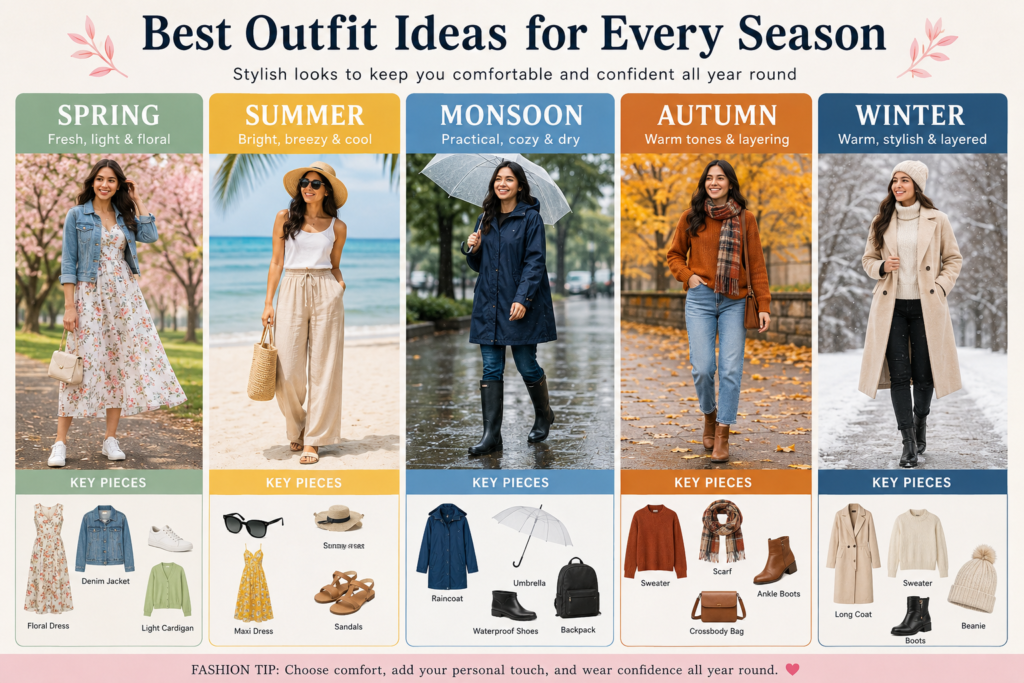
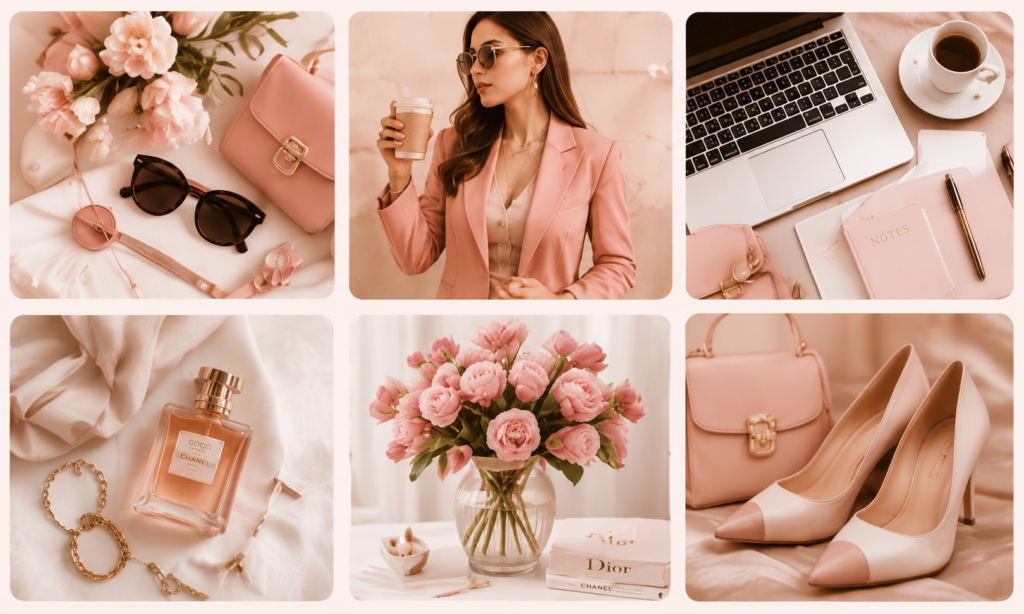
Fashion in 2026 is all about comfort, confidence, and creativity. People now want outfits that are stylish but also easy to wear in daily life. This year, fashion trends are becoming more practical and personal. Instead of blindly following trends, people are choosing styles that match their personality and make them feel confident. Social media platforms like Instagram, Pinterest, and TikTok are also influencing fashion trends. Fashion creators and social media influencers regularly post fresh styling ideas, motivating people to explore new fashion trends and experiment with their looks. Oversized Outfits Are Trending Oversized clothes are one of the biggest fashion trends this year. Baggy jeans, loose shirts, oversized blazers, and hoodies are very popular because they are both comfortable and stylish. Girls are pairing oversized shirts with sneakers and handbags for a cool street-style look. This trend proves that comfortable clothes can also look fashionable.   Pastel Colors Are Everywhere Soft pastel shades like baby pink, lavender, mint green, peach, and sky blue are trending in 2026. These colors look elegant, fresh, and aesthetic. Pastel outfits are ideal for warm weather, everyday wear, and stylish meetups with friends.. Many people are also using pastel colors in handbags, nails, and makeup. Co-ord Sets Are Very Popular Matching co-ord sets are becoming wardrobe essentials because they are easy to style. Co-ord sets include matching tops and bottoms that create a complete outfit instantly. They look modern, stylish, and save time when choosing clothes. Co-ord sets are available in casual, formal, and party styles. Indo-Western Fashion is Growing Traditional fashion with a modern touch is another huge trend in 2026. Girls are mixing Indian and western outfits to create unique looks. Some popular styles include: * Sarees with belts* Crop tops with lehengas* Sneakers with ethnic outfits* Kurtis with jeans This fashion trend looks stylish while keeping traditional fashion alive. Comfortable Footwear is in Demand People now prefer comfortable footwear instead of painful heels. Platform sandals, block heels, stylish flats, and white sneakers are trending this year. Comfortable footwear is perfect for college, shopping, traveling, and daily wear. White sneakers especially match almost every outfit. Minimal Makeup Look In 2026, people are choosing simple and natural looks instead of heavy makeup styles.People prefer glowing skin, nude lipstick, soft blush, and simple makeup looks. Many girls are focusing more on skincare routines to achieve healthy and natural-looking skin. Sustainable Fashion is Becoming Popular Sustainable fashion means choosing eco-friendly and reusable clothing. Many people are now buying quality clothes instead of fast fashion. Thrift shopping, repeating outfits creatively, and supporting local brands are becoming popular choices. This trend helps reduce waste and protects the environment. Accessories Are Making a Comeback Accessories are becoming bold and stylish again. Chunky earrings, layered necklaces, sunglasses, mini handbags, and belts are trending in 2026. Accessories can instantly add style and personality to even the most basic outfits.  

FASHION

The Art of Fashion: Style Beyond Trends

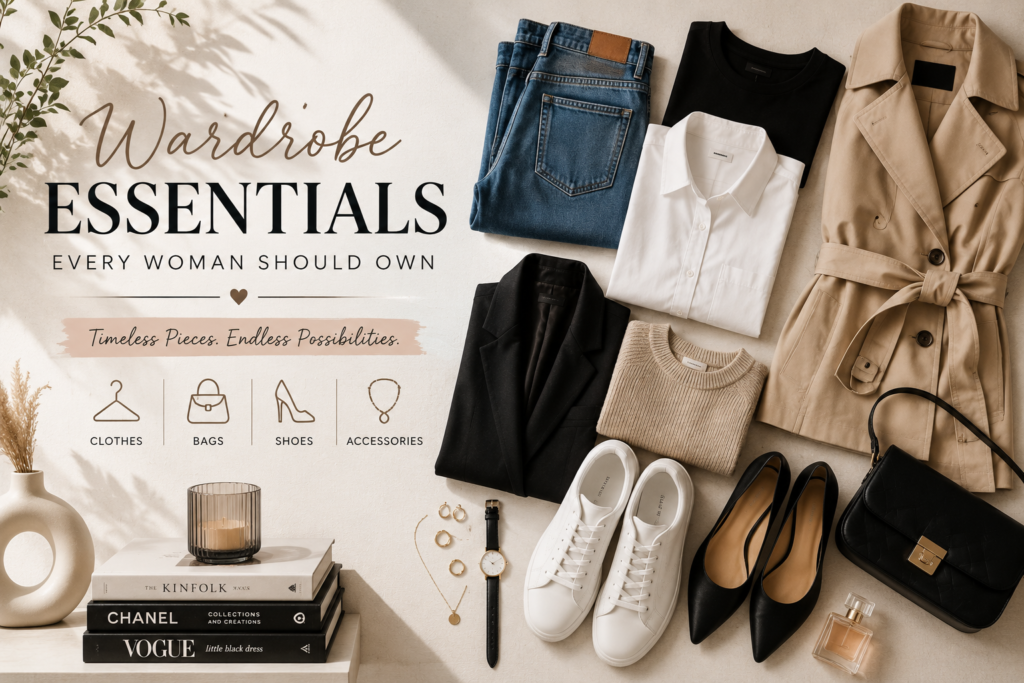
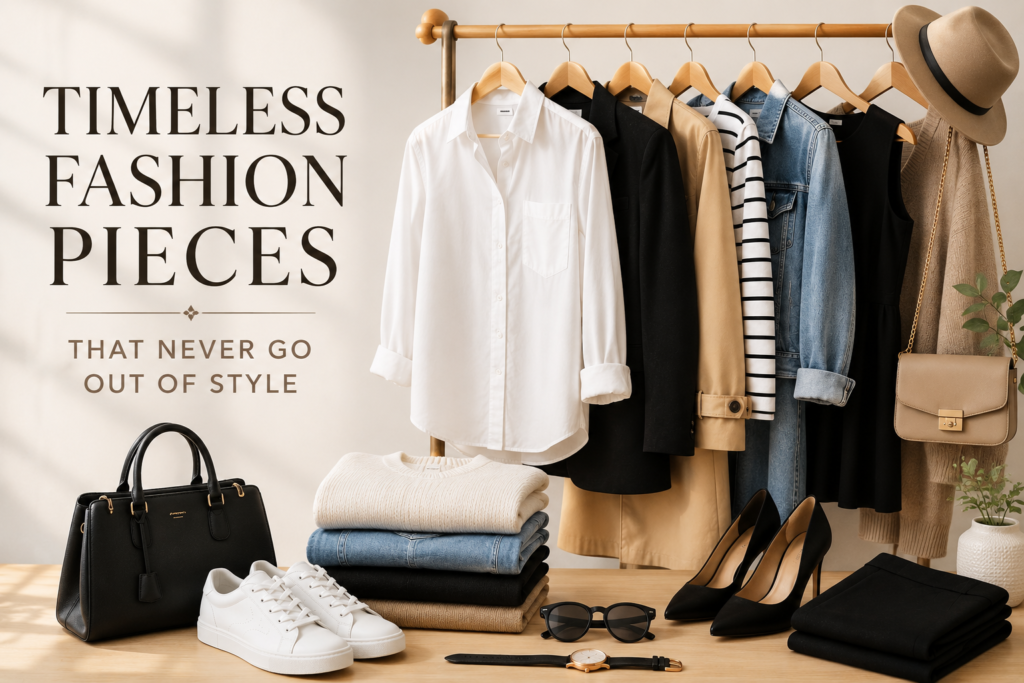
Fashion is more than just clothes. It is a way to express who we are and how we feel. Every day, we choose outfits that reflect our personality, mood, and lifestyle. While fashion trends change quickly, true style remains timeless. The art of fashion is not about following every trend. It is about creating a look that represents your unique identity. Today, social media and fashion influencers introduce new trends almost every day. Many people feel pressure to keep up with the latest styles. However, fashion is not a competition. The most important thing is to wear what makes you feel comfortable and confident. This is where personal style becomes more important than trends. Understanding Personal Style Personal style is the way you dress based on your preferences and personality. It is unique to every person. Some people prefer simple and elegant clothing, while others enjoy bold colors and creative designs. There is no single definition of good style because everyone is different. Your style reflects who you are. It helps you express yourself without saying a word. The clothes you wear can show confidence, creativity, professionalism, or even your cultural background. When you dress in a way that feels natural to you, you feel more comfortable and confident. Finding your personal style takes time. It is a journey of discovering what colors, fabrics, and outfits make you feel your best. The goal is not to copy someone else but to create a look that feels authentic to you. Why Trends Come and Go Fashion trends are constantly changing. One season, oversized jackets are popular, and the next season, fitted styles may be in demand. Trends bring excitement to the fashion world and inspire new ideas. However, trends are temporary. If you only follow trends, your wardrobe may quickly become outdated. You may also spend a lot of money on clothes that you wear only a few times. Instead of buying every trendy item, it is better to choose trends that suit your personality and lifestyle. A trend should enhance your style, not replace it. The most fashionable people know how to mix modern trends with classic pieces that never go out of style. The Importance of Confidence Confidence is one of the most important parts of fashion. Even the most expensive outfit cannot look good if the person wearing it feels uncomfortable. On the other hand, a simple outfit can look amazing when worn with confidence. When you wear clothes that fit well and match your personality, you naturally feel better about yourself. You stand taller, smile more, and feel more comfortable in social situations. Fashion should help you feel empowered, not stressed. The best outfit is one that makes you feel happy and confident. True style begins when you stop dressing to impress others and start dressing for yourself. Building a Timeless Wardrobe A timeless wardrobe is made up of classic pieces that never go out of fashion. These clothes can be worn for years and combined in many different ways. Some timeless wardrobe essentials include: A white shirt Well-fitted jeans A black dress A classic blazer Comfortable shoes Simple accessories These pieces create a strong foundation for your wardrobe. You can easily mix and match them to create stylish outfits for different occasions. Buying quality clothing is often better than buying many cheap items. Quality pieces last longer, look better, and save money in the long run   Fashion as a Form of Self-Expression Fashion is a creative way to express yourself. Just like artists use paint and writers use words, people use clothing to tell their stories. The colors you choose, the accessories you wear, and the way you style your outfits all communicate something about you. Bright colors may show energy and positivity, while neutral colors can create a calm and elegant appearance. Fashion also allows people to celebrate their culture and individuality. It gives everyone the freedom to express their identity in their own unique way. Comfort and Style Go Together Many people believe they must choose between comfort and style. In reality, the best outfits offer both. Clothes that fit well and feel comfortable allow you to move freely and enjoy your day. When you are comfortable, you feel more confident. You focus less on adjusting your clothes and more on enjoying your activities. Fashion should make life easier, not harder. Choosing clothes that suit your body type and lifestyle is one of the smartest fashion decisions you can make. Conclusion The art of fashion is about much more than following trends. While trends may come and go, personal style remains forever. Fashion is a way to express yourself, build confidence, and show the world who you are. You do not need expensive brands or the latest collections to be stylish. What matters most is wearing clothes that make you feel comfortable, confident, and authentic. When you develop your own personal style, you create a look that is timeless and unique. Fashion is not about becoming someone else. It is about celebrating who you already are. That is the true meaning of style beyond trends.

FASHION

Where Style Meets Confidence

Where Style Meets Confidence Fashion is more than fabric, colors, and trends. It is a powerful form of self-expression that communicates who we are before we speak a single word. The clothes we wear have the ability to influence not only how others perceive us but also how we perceive ourselves. This is where style meets confidence—a place where personal identity, creativity, and self-assurance come together to create a lasting impression. In today’s fast-paced world, fashion has evolved beyond simply following trends. People are increasingly embracing personal style as a reflection of their individuality. Whether it’s a perfectly tailored blazer, a flowing summer dress, classic denim, or bold streetwear, style has become a language through which we express our values, personalities, and aspirations. When we feel comfortable and authentic in what we wear, confidence naturally follows. The Connection Between Fashion and Confidence Confidence is often described as believing in oneself and one’s abilities. While confidence comes from within, external factors can significantly influence how we feel. Clothing is one of those factors. Think about the last time you wore an outfit that made you feel exceptional. Perhaps it was for an important meeting, a special occasion, or even a casual day out. Chances are you stood a little taller, smiled more, and carried yourself with greater assurance. Fashion psychology suggests that what we wear can affect our mood, behavior, and performance. This phenomenon, often referred to as “enclothed cognition,” highlights the impact clothing has on our mental state. When we dress in a way that aligns with our personality and goals, we often feel more capable, empowered, and confident. Style is not about impressing others; it is about feeling comfortable in your own skin. Confidence grows when your outward appearance reflects your inner self. Discovering Your Personal Style One of the most exciting aspects of fashion is the journey of discovering your personal style. Unlike trends, which come and go, personal style is unique and enduring. It represents your preferences, lifestyle, and personality. Finding your style starts with understanding what makes you feel good. Some people are drawn to minimalist fashion, favoring neutral colors and clean silhouettes. Others prefer bold prints, vibrant colors, and statement accessories. There is no right or wrong approach. The key is authenticity. To develop your personal style: Explore different fashion inspirations. Identify colors and silhouettes that suit you. Invest in pieces that make you feel confident. Focus on comfort as much as appearance. Experiment without fear of judgment. Fashion should be enjoyable, not restrictive. The most stylish individuals are often those who embrace their uniqueness rather than trying to fit into predefined fashion standards.   Building Confidence Through a Well-Curated Wardrobe A wardrobe filled with pieces you genuinely love can make getting dressed easier and more enjoyable. Instead of chasing every trend, focus on building a collection of versatile items that align with your lifestyle and personal taste. Essential wardrobe staples often include: A well-fitted blazer Quality denim jeans Classic white shirts Comfortable footwear Neutral knitwear Timeless accessories These pieces can be mixed and matched to create numerous outfits while maintaining a polished appearance. When every item in your wardrobe serves a purpose and makes you feel confident, dressing becomes less stressful and more empowering. Quality often matters more than quantity. Investing in fewer, better-made pieces can enhance both your style and confidence while promoting a more sustainable approach to fashion.   The Role of Fashion in Self-Expression Fashion is one of the most accessible forms of self-expression. Unlike art displayed in galleries or music performed on stage, fashion is part of our everyday lives. Every outfit tells a story. Through clothing, people express their creativity, cultural heritage, professional identity, and personal beliefs. Fashion allows individuals to communicate without words. A tailored suit may convey professionalism and ambition, while casual streetwear can express creativity and individuality. Self-expression through fashion becomes particularly important in a world where people seek authenticity. Rather than dressing to meet societal expectations, many individuals are choosing styles that reflect their true selves. When your clothing feels authentic, confidence naturally emerges. You no longer feel the need to pretend or conform. Instead, you present yourself honestly and comfortably to the world.   Fashion Beyond Trends The fashion industry is constantly evolving, introducing new trends every season. While trends can be exciting, relying solely on them can sometimes create pressure to keep up with changing standards. True style goes beyond trends. It is about understanding what works for you and incorporating trends selectively rather than blindly following them. A confident person does not wear something simply because it is popular; they wear it because it aligns with their personal aesthetic and makes them feel good. Timeless style often outlasts temporary trends. Classic pieces, thoughtful styling, and attention to fit can create a sophisticated look that remains relevant year after year. Confidence comes from knowing that your value is not determined by the latest fashion craze. Instead, it comes from embracing your individuality and making choices that reflect your personality. The Importance of Fit and Comfort No matter how expensive or fashionable an outfit may be, confidence suffers if it does not fit properly or feel comfortable. Fit plays a crucial role in how clothing looks and feels. Well-fitted clothing enhances your natural shape and allows you to move comfortably throughout the day. Comfort should never be sacrificed for style. Modern fashion increasingly recognizes that confidence and comfort go hand in hand. Whether you’re attending a formal event, working in an office, or relaxing on the weekend, choosing clothing that fits well and feels comfortable can significantly impact your confidence levels. The most confident people are often those who prioritize feeling good over meeting unrealistic fashion expectations. The Influence of Color on Confidence Colors have a remarkable ability to influence emotions and perceptions. Different colors evoke different feelings, making them a powerful tool in fashion. For example: Black often represents sophistication and authority. Blue conveys trust and calmness. Red symbolizes energy and confidence.

Scroll to Top