
Life can be busy and stressful. Work, studies, family responsibilities, and daily challenges can make us feel tired and overwhelmed. While we cannot always control what happens outside, we can create a peaceful home that helps us relax and recharge.
Our home should be a place where we feel safe, comfortable, and happy. Small daily habits at home can reduce stress, improve our mood, and make life more enjoyable. You don’t need expensive furniture or a large house to create a calm environment. Simple changes and healthy routines can make a big difference.
In this blog, we will explore easy home habits that can reduce stress and help you enjoy a happier and healthier life.
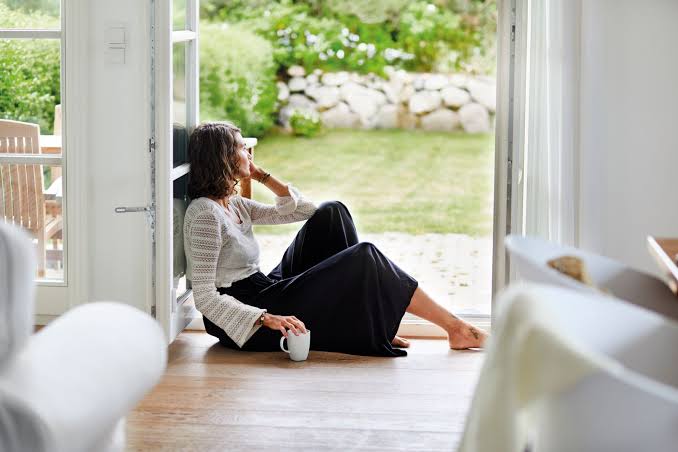
Why a Peaceful Home Matters
Home is where we spend a large part of our time. The way our home looks and feels can affect our emotions. A clean, organized, and comfortable space helps us feel calm, while a messy and noisy environment can increase stress.
A peaceful home offers many benefits:
- Improves mental health
- Helps you sleep better
- Increases productivity
- Reduces anxiety
- Strengthens family relationships
- Creates a positive atmosphere
By developing healthy home habits, you can make your home a place where you truly enjoy spending time.
Start Your Day with a Calm Morning Routine
How you begin your morning often affects the rest of your day. Instead of rushing, wake up a little earlier and spend a few quiet minutes with yourself.
Your morning routine can include:
- Drinking a glass of water
- Stretching your body
- Taking deep breaths
- Reading a few pages of a book
- Writing in a journal
- Enjoying a healthy breakfast
A calm morning helps you feel more prepared and less stressed throughout the day.

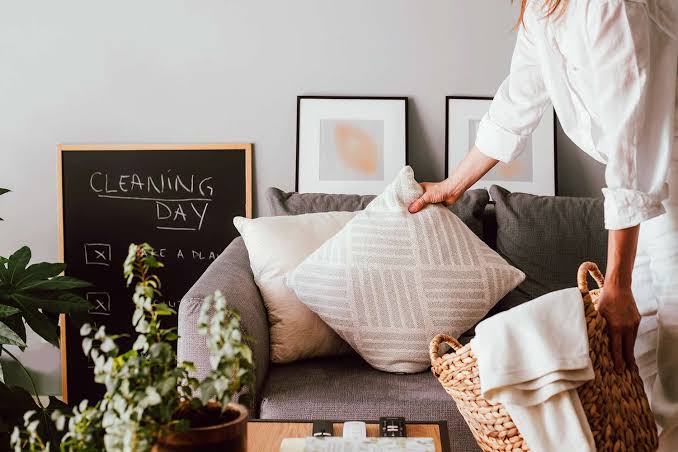
Keep Your Home Clean and Organized
A messy home can make your mind feel cluttered. You don’t have to clean everything at once. Cleaning a little every day is much easier.
Simple cleaning habits include:
- Making your bed every morning
- Washing dishes after meals
- Putting things back in their place
- Sweeping or vacuuming regularly
- Cleaning one room each day
A clean home creates a peaceful environment and helps you think more clearly
Declutter Your Living Space
Too many unnecessary items can make your home feel crowded. Decluttering means removing things you no longer need or use.
Start with one drawer, one shelf, or one room at a time.
Benefits of decluttering include:
- Less stress
- Easier cleaning
- Better focus
- More space
- A calmer atmosphere
Donate, recycle, or sell items that no longer serve a purpose.
Bring Nature Inside
Nature has a calming effect on the mind. Adding plants to your home can make it feel fresh and peaceful.
Some easy indoor plants include:
- Snake Plant
- Spider Plant
- Peace Lily
- Aloe Vera
- Money Plant
If you don’t have plants, simply open your windows for fresh air and natural sunlight.
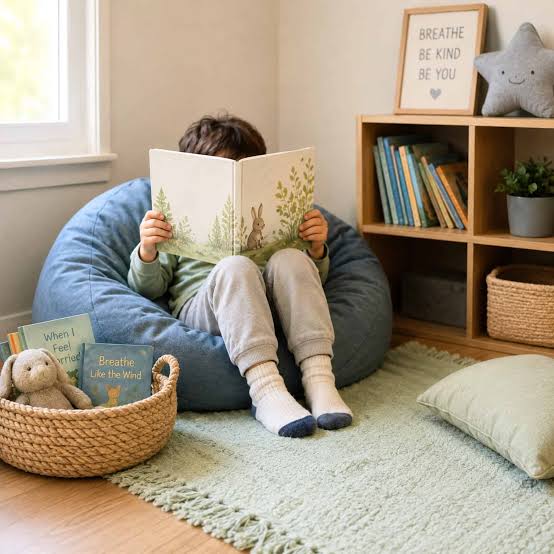
Create a Relaxing Corner
Everyone needs a quiet place to relax.
Choose a small area in your home where you can:
- Read books
- Meditate
- Listen to music
- Practice yoga
- Drink tea or coffee
- Simply sit and relax
Add a comfortable chair, soft cushion, or warm blanket to make the space inviting.
Limit Screen Time at Home
Phones, televisions, and computers are useful, but too much screen time can increase stress and reduce sleep quality.
Try these habits:
- Keep phones away during meals.
- Turn off screens one hour before bedtime.
- Spend time talking with family.
- Read a book instead of scrolling through social media.
Reducing screen time gives your mind a chance to rest.
Use Soft Lighting
Bright lights can sometimes feel harsh, especially in the evening.
Soft lighting creates a warm and relaxing atmosphere.
You can use:
- Table lamps
- Warm LED lights
- Candles (used safely)
- Fairy lights
Lighting plays an important role in creating a peaceful home.
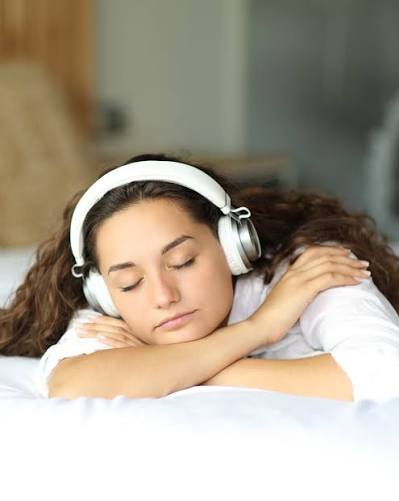
Play Relaxing Music
Music has the power to change our mood.
Listening to soft instrumental music, nature sounds, or gentle melodies can reduce stress and help you relax after a busy day.
Play calming music while:
- Cooking
- Cleaning
- Reading
- Working
- Relaxing
Music makes everyday activities more enjoyable.
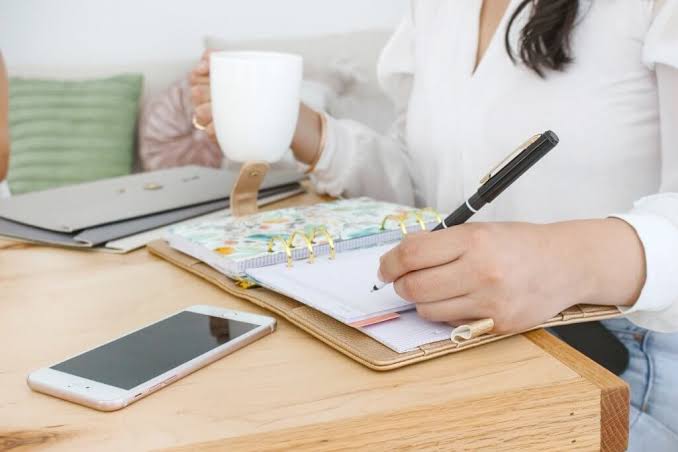
Practice Gratitude Every Day
Gratitude helps us focus on the positive things in life.
Every evening, write down three things you are thankful for.
They can be simple, such as:
- A delicious meal
- Good health
- Time with family
- A beautiful sunset
- Completing your work
Practicing gratitude regularly improves happiness and reduces stress.
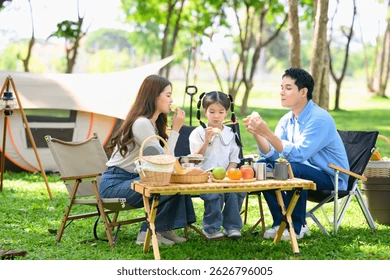
Spend Quality Time with Family
One of the best ways to reduce stress is by spending time with loved ones.
Simple family activities include:
- Eating dinner together
- Watching a movie
- Playing board games
- Going for a walk
- Cooking together
These moments create happy memories and strengthen relationships.
Keep a Healthy Sleep Routine
Good sleep is essential for both physical and mental health.
To improve your sleep:
- Sleep at the same time every night.
- Avoid caffeine late in the evening.
- Keep your bedroom quiet and comfortable.
- Turn off electronic devices before bed.
Better sleep helps reduce stress and increases energy.
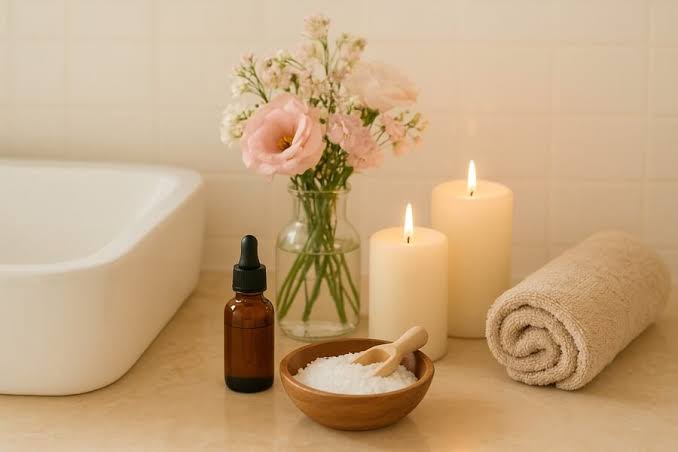
Keep Pleasant Scents in Your Home
Pleasant fragrances can create a calming environment.
You can use:
- Lavender
- Lemon
- Vanilla
- Sandalwood
- Jasmine
Fresh flowers, scented candles, or essential oil diffusers can make your home feel more relaxing.
Stay Active at Home
Exercise helps release stress and boosts your mood.
You don’t need expensive equipment.
Simple activities include:
- Stretching
- Yoga
- Dancing
- Walking around your home
- Home workouts
Even 20 to 30 minutes of movement each day can make you feel better.
Cook Healthy Meals
Preparing healthy food at home is a great way to care for yourself and your family.
Cooking can also be relaxing.
Choose fresh fruits, vegetables, whole grains, and healthy proteins whenever possible.
Eating nutritious meals helps improve both physical and mental well-being.
Create a Daily Routine
Having a daily routine makes life feel more organized and less stressful.
Your routine can include:
- Morning exercise
- Work or study time
- Household chores
- Relaxation time
- Family time
- Bedtime
A routine reduces uncertainty and helps you manage your day better.
Learn to Say No
Many people become stressed because they take on too many responsibilities.
It is okay to say no when you feel overwhelmed.
Protecting your time and energy helps you maintain a healthy balance between work and personal life.
Practice Deep Breathing
Whenever you feel stressed, pause for a few minutes and take slow, deep breaths.
Try this simple exercise:
- Breathe in through your nose for four seconds.
- Hold your breath for four seconds.
- Breathe out slowly through your mouth for six seconds.
Repeat this several times.
Deep breathing helps your body relax and reduces tension.
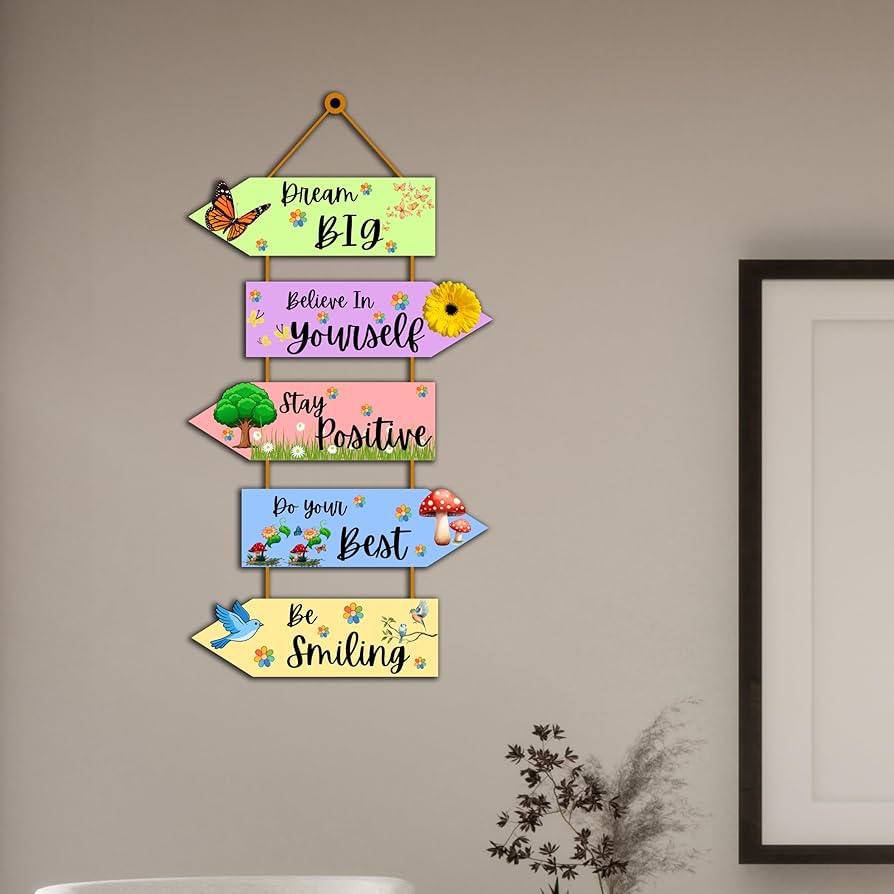
Keep Positive Decorations
Decorate your home with things that make you smile.
Examples include:
- Family photos
- Inspirational quotes
- Artwork
- Fresh flowers
- Handmade crafts
A positive environment can improve your mood every day.
Spend Time on Hobbies
Doing something you enjoy helps reduce stress.
Some relaxing hobbies include:
- Reading
- Painting
- Gardening
- Knitting
- Photography
- Writing
- Baking
Hobbies give your mind a break from daily worries.
End Your Day Peacefully
A peaceful bedtime routine helps you sleep better.
Before sleeping:
- Put away your phone.
- Read a few pages of a book.
- Listen to calming music.
- Practice gratitude.
- Drink herbal tea if you enjoy it.
Ending your day calmly prepares your mind and body for restful sleep.
Benefits of Healthy Home Habits
When you practice these habits regularly, you may notice many positive changes.
These include:
- Lower stress levels
- Better sleep
- Improved focus
- Greater happiness
- Stronger family relationships
- Better physical health
- Increased productivity
- A cleaner and more comfortable home
The key is consistency. Small habits practiced every day create lasting improvements.

Tips for Building New Habits
If you want these habits to become part of your daily life:
- Start with one habit at a time.
- Keep your goals realistic.
- Be patient with yourself.
- Celebrate small achievements.
- Stay consistent.
Remember, you don’t need to change everything overnight. Small steps lead to big results.