Our lips are one of the most noticeable parts of the face, and they need special care. Unlike the rest of your skin, lip skin is thinner and has fewer oil glands, so it dries out faster and shows damage sooner. Cracked, chapped, or dark lips can be uncomfortable and make you self-conscious. The good news is that soft, healthy lips are easy to get with simple habits and a few natural products. This blog shares gentle, practical tips you can use every day to keep your lips soft, smooth, and kissable.
Why lips get dry and chapped
Before we jump into the tips, it helps to know why lips become dry or chapped:
Thin skin: Lips have less protective outer layer and fewer oil glands, so they lose moisture quickly.
Weather: Cold, windy, or dry climates pull moisture away from lips. Even air conditioning and heaters indoors dry them out.
Licking lips: Saliva briefly moistens lips, but when it evaporates it removes more moisture and makes drying worse.
Dehydration and diet: Not drinking enough water and deficiencies (like vitamin B) can cause dry lips.
Irritation: Some lipsticks, flavored balms, or toothpaste ingredients can irritate lips and cause dryness.
Allergies and medical causes: Contact allergies, eczema, or certain medications can also affect lips.
Daily habits for soft lips
These simple daily habits make a big difference over time.
Stay hydrated
Drink enough water. Dehydration shows on the lips quickly. Aim for at least 8 cups (about 2 liters) of fluids a day, more if you are active or it’s hot. Include water-rich foods like fruits and vegetables.Use a gentle lip balm often
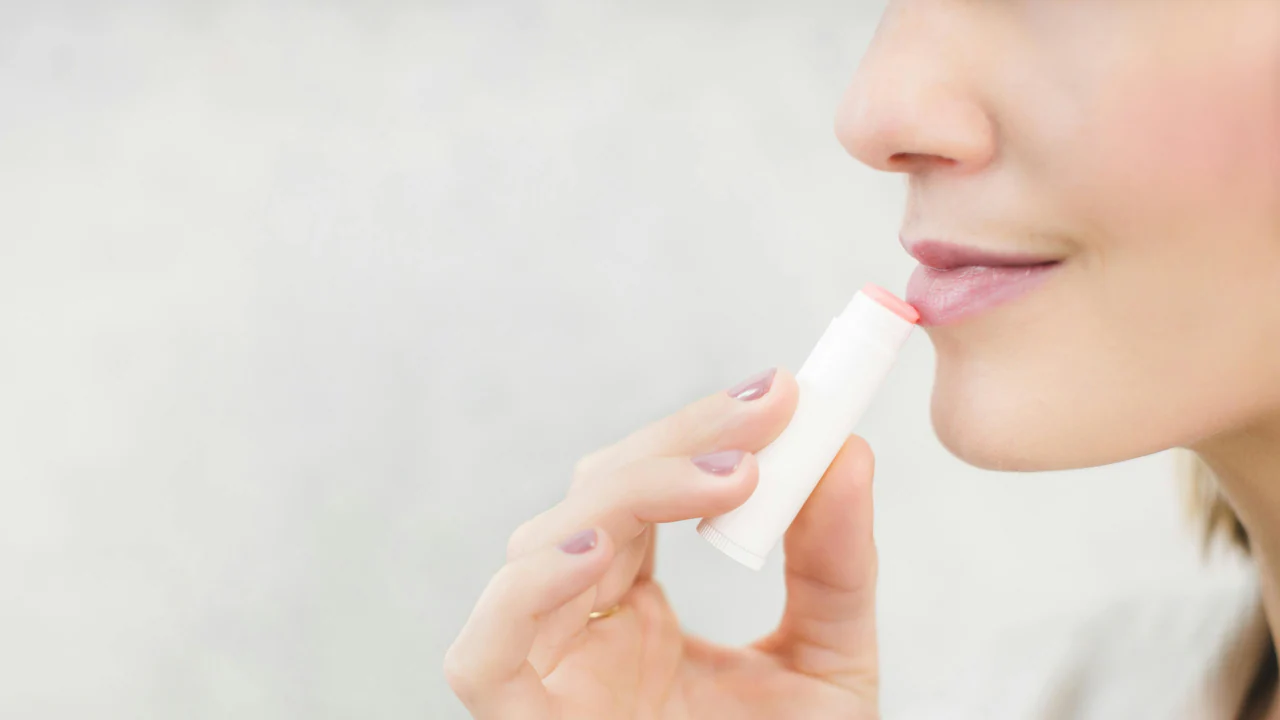
Apply a nourishing lip balm several times a day: morning, before bed, and anytime your lips feel dry. Choose balms with these helpful ingredients:
Beeswax or shea butter for a protective barrier.
Oils like coconut, almond, jojoba, or olive oil to moisturize.
Petroleum jelly is very effective for locking in moisture if your lips are very chapped.
Avoid balms with strong fragrances, flavorings, or menthol if your lips are sensitive—they can sting and make dryness worse.
Don’t lick your lips
It’s a hard habit to stop, but try to avoid licking. When saliva dries it removes moisture and worsens chapping. Carry a lip balm so you can apply it instead.Exfoliate gently once or twice a week
Removing dead skin helps balms absorb better and makes lips feel smoother. Use a gentle scrub or a soft toothbrush: Homemade scrub: Mix sugar with a little honey or oil to form a paste, rub gently for 30–60 seconds, then rinse. Soft toothbrush: After washing your face, use a soft toothbrush to brush lips gently in circular motions. Don’t over-exfoliate. Once or twice a week is enough; overdoing it can damage the thin lip skin.Use sunscreen on lips
Lips can get sunburned and are vulnerable to sun damage. Use a lip balm with SPF 15 or higher when you’ll be outdoors, and reapply every two hours if you’re in the sun a long time. This helps prevent darkening and aging of the lip skin.Remove makeup gently
If you wear lipstick or gloss, remove it gently at night. Use a mild makeup remover or an oil-based cleanser to dissolve color without rubbing. Follow with your usual lip balm to restore moisture.- Sleep with a thicker balm or overnight mask
Before bed, apply a thicker layer of balm or a lip mask. Overnight products have time to deeply hydrate and repair. Look for balms with shea butter, glycerin, or hyaluronic acid.
Simple home remedies for extra care
Natural ingredients at home can boost lip softness. Try these easy remedies once in a while.
Honey and glycerin mix: Apply a thin layer of honey or a honey-glycerin mix for 10–15 minutes, then rinse. Honey is a natural humectant and mild antibacterial.
Coconut oil: Dab coconut oil on lips before bed. It’s soothing and seals moisture.
Aloe vera gel: If your lips are irritated or inflamed, pure aloe vera gel cools and heals.
Cucumber: Rub a fresh cucumber slice on lips for a few minutes to soothe and hydrate.
Milk and turmeric: For mild pigmentation, mix a little milk with a pinch of turmeric, apply for a few minutes, then wash off. Do a patch test first, and don’t overuse turmeric as it can stain.
Foods and nutrients that help lips
What you eat affects your lips. Include these in your diet for better lip health:
Water-rich fruits and vegetables: watermelon, cucumber, oranges.
Healthy fats: avocados, nuts, seeds, and olive oil to nourish skin from the inside.
Vitamin B: whole grains, eggs, dairy, and leafy greens help prevent cracking and inflammation.
Vitamin C: citrus fruits, strawberries, and peppers support collagen and skin repair.
Zinc and iron: found in meats, lentils, and beans, these support overall skin health.

Avoid these common lip care mistakes
Some habits that seem harmless can harm your lips over time.
Constant use of medicated “burning” lip treatments: Products that cause tingling or burning can dry lips more. Use them only when necessary and as directed.
Using expired or low-quality lip cosmetics: Old products can irritate or infect lips. Replace lipsticks and balms every year, or sooner if they smell off.
Over-exfoliating: Scrubbing every day leads to soreness and increased sensitivity.
Picking at peeling skin: This can cause bleeding and infections. Instead, apply balm and gently exfoliate when needed.
Special situations and quick fixes
Severely chapped or cracked lips: If lips are bleeding, very painful, or not improving with home care, see a doctor. You may need a prescription ointment or to check for infection.
Cold weather: Cover your face with a scarf to protect lips from wind, and use an emollient balm with petroleum or heavy butters.
Allergy or irritation: Stop using new lip products and switch to a simple, fragrance-free balm. If swelling or severe irritation occurs, consult a doctor.
Pigmentation or dark lips: Sometimes caused by smoking, lack of care, or reactions to products. Stopping smoking, using gentle care, and protecting lips from sun help. If pigmentation persists, a dermatologist can advise treatments.
Quick daily lip routine (simple and practical)
Follow this short routine to keep lips soft every day:
Morning: Clean face, apply a hydrating lip balm with SPF.
During the day: Reapply balm after eating, drinking, or when lips feel dry.
Evening: Remove any lip makeup gently; apply a thicker night balm or oil.
Weekly: Exfoliate once or twice; use a soothing mask if needed.
Recommended ingredients and products (what to look for)
Look for products that balance moisture and protection:
Humectants: glycerin, hyaluronic acid, honey (draw moisture in).
Emollients: shea butter, cocoa butter, natural oils (soften skin).
Occlusives: beeswax, petrolatum (lock moisture in).
SPF: for daytime protection.
Avoid heavy flavoring, strong fragrances, menthol, and certain essential oils if you have sensitive lips.
Small changes that make a big difference
It doesn’t take expensive products to get soft lips. Simple changes like drinking more water, stopping lipstick-lip licking, using a good balm, and protecting lips from the sun and cold will show results in days to weeks. Consistency is the key.
Example: A one-week plan you can try
Day 1: Start drinking more water and cut down on lip licking. Apply SPF lip balm in the morning.
Day 2: Exfoliate gently with sugar scrub in the evening. Apply a nourishing balm before bed.
Day 3: Apply coconut oil at night and use SPF during the day.
Day 4: Swap scented lip products for a simple beeswax or shea butter balm.
Day 5: Try an aloe vera gel if lips feel irritated.
Day 6: Continue hydration and balm; avoid harsh toothpaste or mouthwash if they irritate your lips.
Day 7: Check progress. Keep the habits that worked and repeat weekly exfoliation.
When to see a doctor
See a doctor or dermatologist if:
Lips are very cracked, bleeding, or painful.
You have constant swelling, burning, or severe redness.
Symptoms don’t improve with regular home care.
You suspect an allergic reaction.
Final words
Soft, healthy lips are simple to achieve with consistent habits. Drink water, use a nourishing balm with the right ingredients, protect lips from sun and weather, exfoliate gently, and avoid licking. Small daily choices add up quickly. Try the one-week plan above and customize it to your lifestyle and preferences. Your lips will thank you.