Everyday makeup should be simple, quick, and easy to do. You do not need a lot of products or special skills to create a fresh look for daily wear. If you are a beginner, the best makeup routine is one that makes you feel confident without taking too much time.
The goal of an everyday makeup look is to enhance your natural features, not cover your face heavily. A soft base, light eye makeup, a little color on the cheeks, and a natural lip color are enough for most people. With a few basic steps, you can create a polished look that works for college, work, shopping, meetings, or even casual outings.

What everyday makeup means
Everyday makeup is a light and simple makeup look that you can wear regularly. It is different from party makeup or heavy glam makeup. It usually looks natural and fresh, which makes it perfect for daily use.
For beginners, this is the best type of makeup to learn first because it is easy to practice and hard to go wrong with. You do not need many products. You only need a few basics and a little practice. Once you learn the routine, you can do it faster and better each time.
Before you start
Before applying makeup, make sure your face is clean and moisturized. Makeup always looks better on healthy skin. Wash your face with a gentle cleanser, apply moisturizer, and use sunscreen if you are going outside.
Good skincare helps makeup sit smoothly on the skin. If your skin is dry, makeup may look patchy. If your skin is oily, makeup may slide off faster. That is why preparing the skin is just as important as applying makeup.
You should also keep your makeup tools clean. A clean sponge, brush, or finger application helps avoid skin problems and gives a neater finish. Always work with washed hands and clean products.

Products you need
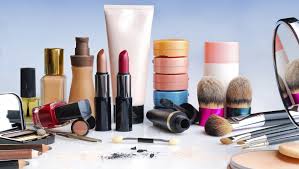
If you are a beginner, you do not need a huge makeup kit. A few basic products are enough to start with.
Here are the simple products for an everyday makeup look:
Moisturizer.
Sunscreen.
BB cream or light foundation.
Concealer.
Compact powder.
Eyebrow pencil or brow gel.
Blush.
Mascara.
Lip balm or lipstick.
A simple eyeliner if you want.
You can even skip some items in the beginning. The idea is to keep things light and easy.
Step 1: Start with a fresh face
The first step is always clean skin. Wash your face and apply moisturizer. If you are going outdoors, use sunscreen after moisturizer. This protects your skin from the sun and keeps it healthy.
If your skin feels dry, use a moisturizing cream. If your skin is oily, use a light gel-based moisturizer. Wait a minute or two so the products absorb into your skin before moving to the next step.

Step 2: Apply a light base
For an everyday look, you do not need a heavy foundation. A BB cream, CC cream, or light foundation is enough. These products give light coverage and make your skin tone look more even.
Take a small amount and spread it evenly on your face. You can use your fingers, a sponge, or a brush. Start with a little product and add more only where needed. Too much makeup can make the face look cakey, especially for beginners.
If you have only a few spots or dark circles, you can use concealer instead of full foundation. This keeps the look natural and simple.
Step 3: Cover only what you need
Concealer is useful for hiding dark circles, acne marks, or small blemishes. Apply a tiny amount under the eyes and on any spots that need extra coverage.
Blend it gently so it does not look harsh. You do not need to cover every tiny mark on your face. Natural skin still looks beautiful, and everyday makeup should let your skin breathe.
If you want a lighter routine, you can even skip foundation and just use concealer in the areas that need it.
Step 4: Set the face lightly
If your skin gets oily during the day, apply a little compact powder or loose powder. This helps control shine and makes the makeup last longer.
Use a small brush or powder puff and lightly press the powder on your T-zone, which is the forehead, nose, and chin. Do not add too much powder because that can make the skin look dry or heavy.
For dry skin, you may only need a tiny bit of powder or none at all. Always use only what your skin needs.
Step 5: Shape your eyebrows
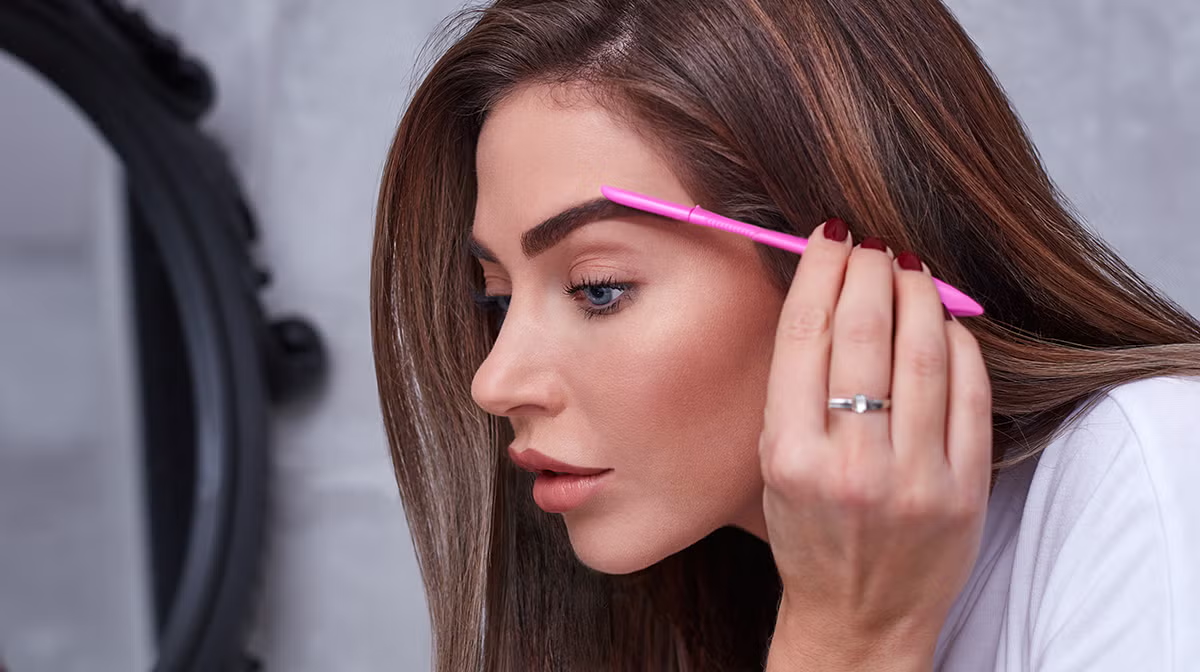
Eyebrows frame the face, so even a small amount of brow makeup can make a big difference. If your brows are full, you may only need to brush them into place with a brow gel.
If your brows are thin or uneven, use an eyebrow pencil to fill in small gaps. Make short, soft strokes that look like natural hair. Avoid drawing a hard, dark line because that can make the brows look unnatural.
For beginners, the main rule is to keep the brows neat, not perfect. Soft brows look more natural for daily makeup.
Step 6: Add some blush
Blush gives life to the face and makes you look fresh and healthy. It is one of the easiest products to use in an everyday makeup look.
Choose a soft pink, peach, or nude shade depending on your skin tone. Smile slightly and apply the blush to the apples of your cheeks, then blend it upward. This gives a natural glow and adds warmth to your face.
If you are scared of using too much, start with a very small amount. You can always add more later. A little blush goes a long way.
Step 7: Keep eye makeup simple
For everyday makeup, your eyes do not need heavy shadow or bold colors. A simple eye look is best for beginners.
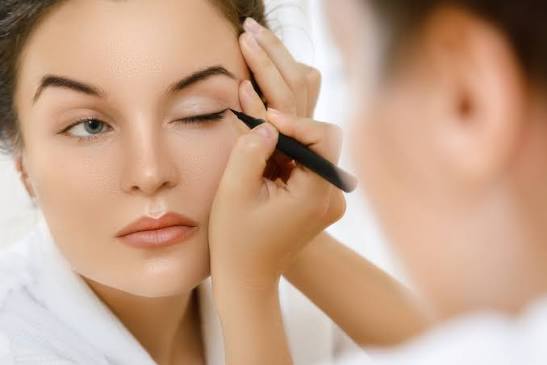
You can curl your lashes and apply one or two coats of mascara. Mascara opens up the eyes and makes them look brighter. If you want, you can also apply a thin line of eyeliner close to the lash line. A small wing is optional, but not necessary.
If you want to use eyeshadow, choose soft shades like beige, light brown, peach, or soft pink. Blend it well so the eyes look smooth and natural. Everyday eye makeup should be clean and simple, not dramatic.
Step 8: Finish with lips
Lips are the final touch in your makeup look. You can keep them soft and simple with lip balm, tinted lip balm, nude lipstick, or a light pink shade.
If you want a natural look, lip balm alone is enough. If you want a bit more color, choose a lipstick shade close to your natural lip color. This makes the whole look feel polished but still easy.
Lip gloss can also be used if you like a shiny finish. The best choice is the one that makes you feel comfortable.
Tips for beginners
If you are just starting out, here are some helpful tips to make the process easier:
Start with fewer products.
Use natural light while applying makeup.
Blend everything well.
Begin with small amounts of product.
Choose shades close to your natural skin tone.
Practice often.
Do not aim for perfection at first.
Makeup takes practice. The more you do it, the easier it becomes. At first, you may make small mistakes, but that is completely normal. Every beginner learns by trying.
Common mistakes to avoid
One common mistake is using too much foundation. A heavy base can make the skin look unnatural and may settle into lines. Another mistake is not blending well. Poor blending can make makeup look patchy or uneven.
Using the wrong shade of foundation or concealer is also common. Try to match the product to your skin tone as closely as possible. Another mistake is skipping skincare before makeup. Clean, moisturized skin always helps makeup look better.
Beginners should also avoid buying too many products at once. Start with the basics first, then add more items later if needed.
A simple everyday makeup routine
Here is an easy step-by-step routine you can follow:
Wash your face and apply moisturizer.
Apply sunscreen.
Use BB cream or light foundation.
Put concealer on dark circles or spots.
Set lightly with powder.
Fill in your eyebrows.
Add blush.
Apply mascara.
Finish with lip balm or lipstick.
This routine is simple, quick, and good for daily use. You can do it in around 10 to 15 minutes once you get used to it.

How to make it last longer
If you want your makeup to stay fresh for more hours, there are a few easy things you can do. Use a primer if your skin needs extra smoothness, but this is optional. Set oily areas with powder, and choose long-lasting products when possible.
Try not to touch your face often during the day. Carry a lip balm, compact powder, or blotting paper if your skin gets oily. These small things can help your makeup stay neat for longer.
Also, remember that your skin type matters. What works for oily skin may not work the same for dry skin. Choose products based on what feels best for your face.
Why everyday makeup is a good skill
Learning everyday makeup is useful because it builds confidence and saves time. Once you understand the basic steps, you can get ready quickly without stress. It also helps you look fresh and put together in a natural way.
The best part is that you can customize it. Some days you may want only a little concealer and lip balm. Other days you may want a full simple routine. Everyday makeup gives you that flexibility.
It is not about changing how you look completely. It is about highlighting the features you already have. That is why so many beginners start with this kind of makeup.

Final thoughts
Everyday makeup for beginners should be easy, gentle, and natural. You do not need expensive products or expert-level skills. A clean face, light base, soft blush, simple eyes, and a natural lip are enough to create a beautiful daily look.
The more you practice, the more confident you will feel. Start small, keep it simple, and choose products that suit your skin. With time, your everyday makeup routine will become quick, easy, and enjoyable.