Where Style Meets Confidence
Fashion is more than fabric, colors, and trends. It is a powerful form of self-expression that communicates who we are before we speak a single word. The clothes we wear have the ability to influence not only how others perceive us but also how we perceive ourselves. This is where style meets confidence—a place where personal identity, creativity, and self-assurance come together to create a lasting impression.
In today’s fast-paced world, fashion has evolved beyond simply following trends. People are increasingly embracing personal style as a reflection of their individuality. Whether it’s a perfectly tailored blazer, a flowing summer dress, classic denim, or bold streetwear, style has become a language through which we express our values, personalities, and aspirations. When we feel comfortable and authentic in what we wear, confidence naturally follows.
The Connection Between Fashion and Confidence
Confidence is often described as believing in oneself and one’s abilities. While confidence comes from within, external factors can significantly influence how we feel. Clothing is one of those factors. Think about the last time you wore an outfit that made you feel exceptional. Perhaps it was for an important meeting, a special occasion, or even a casual day out. Chances are you stood a little taller, smiled more, and carried yourself with greater assurance.
Fashion psychology suggests that what we wear can affect our mood, behavior, and performance. This phenomenon, often referred to as “enclothed cognition,” highlights the impact clothing has on our mental state. When we dress in a way that aligns with our personality and goals, we often feel more capable, empowered, and confident.
Style is not about impressing others; it is about feeling comfortable in your own skin. Confidence grows when your outward appearance reflects your inner self.

Discovering Your Personal Style
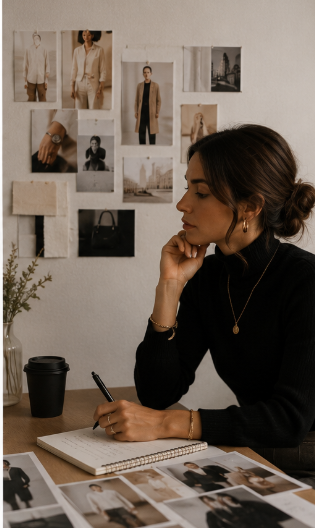
One of the most exciting aspects of fashion is the journey of discovering your personal style. Unlike trends, which come and go, personal style is unique and enduring. It represents your preferences, lifestyle, and personality.
Finding your style starts with understanding what makes you feel good. Some people are drawn to minimalist fashion, favoring neutral colors and clean silhouettes. Others prefer bold prints, vibrant colors, and statement accessories. There is no right or wrong approach. The key is authenticity.
To develop your personal style:
- Explore different fashion inspirations.
- Identify colors and silhouettes that suit you.
- Invest in pieces that make you feel confident.
- Focus on comfort as much as appearance.
- Experiment without fear of judgment.
Fashion should be enjoyable, not restrictive. The most stylish individuals are often those who embrace their uniqueness rather than trying to fit into predefined fashion standards.
Building Confidence Through a Well-Curated Wardrobe
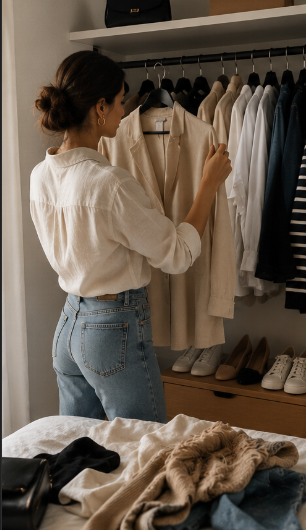
A wardrobe filled with pieces you genuinely love can make getting dressed easier and more enjoyable. Instead of chasing every trend, focus on building a collection of versatile items that align with your lifestyle and personal taste.
Essential wardrobe staples often include:
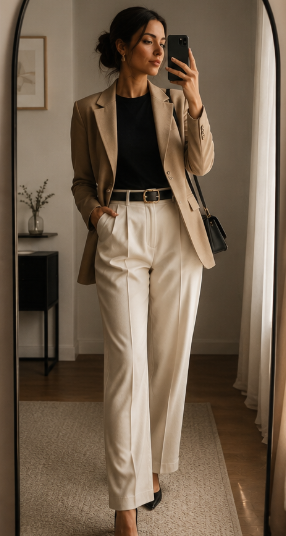
- A well-fitted blazer
- Quality denim jeans
- Classic white shirts
- Comfortable footwear
- Neutral knitwear
- Timeless accessories
These pieces can be mixed and matched to create numerous outfits while maintaining a polished appearance. When every item in your wardrobe serves a purpose and makes you feel confident, dressing becomes less stressful and more empowering.
Quality often matters more than quantity. Investing in fewer, better-made pieces can enhance both your style and confidence while promoting a more sustainable approach to fashion.

The Role of Fashion in Self-Expression
Fashion is one of the most accessible forms of self-expression. Unlike art displayed in galleries or music performed on stage, fashion is part of our everyday lives. Every outfit tells a story.
Through clothing, people express their creativity, cultural heritage, professional identity, and personal beliefs. Fashion allows individuals to communicate without words. A tailored suit may convey professionalism and ambition, while casual streetwear can express creativity and individuality.
Self-expression through fashion becomes particularly important in a world where people seek authenticity. Rather than dressing to meet societal expectations, many individuals are choosing styles that reflect their true selves.
When your clothing feels authentic, confidence naturally emerges. You no longer feel the need to pretend or conform. Instead, you present yourself honestly and comfortably to the world.
Fashion Beyond Trends
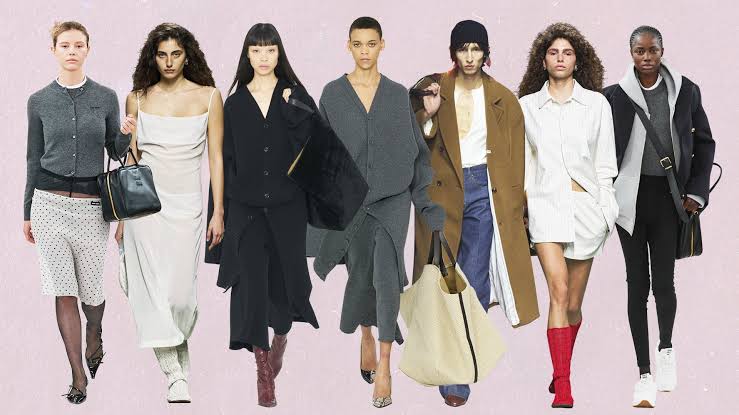
The fashion industry is constantly evolving, introducing new trends every season. While trends can be exciting, relying solely on them can sometimes create pressure to keep up with changing standards.
True style goes beyond trends. It is about understanding what works for you and incorporating trends selectively rather than blindly following them. A confident person does not wear something simply because it is popular; they wear it because it aligns with their personal aesthetic and makes them feel good.
Timeless style often outlasts temporary trends. Classic pieces, thoughtful styling, and attention to fit can create a sophisticated look that remains relevant year after year.
Confidence comes from knowing that your value is not determined by the latest fashion craze. Instead, it comes from embracing your individuality and making choices that reflect your personality.
The Importance of Fit and Comfort
No matter how expensive or fashionable an outfit may be, confidence suffers if it does not fit properly or feel comfortable. Fit plays a crucial role in how clothing looks and feels.
Well-fitted clothing enhances your natural shape and allows you to move comfortably throughout the day. Comfort should never be sacrificed for style. Modern fashion increasingly recognizes that confidence and comfort go hand in hand.
Whether you’re attending a formal event, working in an office, or relaxing on the weekend, choosing clothing that fits well and feels comfortable can significantly impact your confidence levels.
The most confident people are often those who prioritize feeling good over meeting unrealistic fashion expectations.
The Influence of Color on Confidence
Colors have a remarkable ability to influence emotions and perceptions. Different colors evoke different feelings, making them a powerful tool in fashion.
For example:
- Black often represents sophistication and authority.
- Blue conveys trust and calmness.
- Red symbolizes energy and confidence.
- White suggests simplicity and elegance.
- Green reflects balance and freshness.
Understanding color psychology can help individuals choose outfits that support their mood and goals. However, the most important factor is selecting colors that make you feel your best.
When you wear colors that complement your skin tone and resonate with your personality, you naturally feel more confident and comfortable.

Fashion and Inclusivity
Modern fashion is increasingly embracing diversity and inclusivity. People of all body types, ages, genders, and backgrounds deserve to feel stylish and confident.
The growing focus on inclusive fashion has challenged outdated beauty standards and encouraged greater representation. Brands and designers are recognizing that style is universal and that confidence should be accessible to everyone.
This shift has empowered individuals to celebrate their uniqueness rather than striving for unrealistic ideals. Fashion should enhance confidence, not diminish it.
By embracing diversity, the fashion industry is creating opportunities for more people to see themselves represented and valued.
Sustainable Fashion and Conscious Confidence
Confidence is not only about looking good but also about feeling good about your choices. Sustainable fashion has gained momentum as consumers become more aware of the environmental and social impact of clothing production.
Choosing sustainable fashion practices—such as buying quality garments, supporting ethical brands, and reducing waste—can contribute to a deeper sense of confidence and responsibility.
Conscious consumers understand that style and sustainability can coexist. Building a thoughtful wardrobe allows individuals to express themselves while making positive choices for the planet.
This approach reflects a new definition of confidence: one that combines personal style with social awareness.
Conclusion
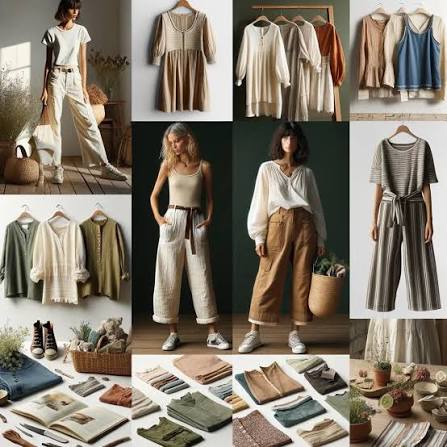
Where style meets confidence is where authenticity thrives. Fashion is not about perfection, expensive labels, or following every trend. It is about discovering what makes you feel comfortable, empowered, and true to yourself.
When you embrace your personal style, you gain more than an attractive wardrobe—you develop confidence that extends into every aspect of life. The right outfit cannot change who you are, but it can remind you of your strengths, individuality, and potential.
As fashion continues to evolve, one principle remains timeless: confidence is the most important thing you can wear. By combining personal style with self-assurance, you create a powerful presence that leaves a lasting impression wherever you go.
Style is not merely about what you wear. It is about how you wear it, how it makes you feel, and how it helps you become the best version of yourself. That is truly where style meets confidence.